
 EN
EN



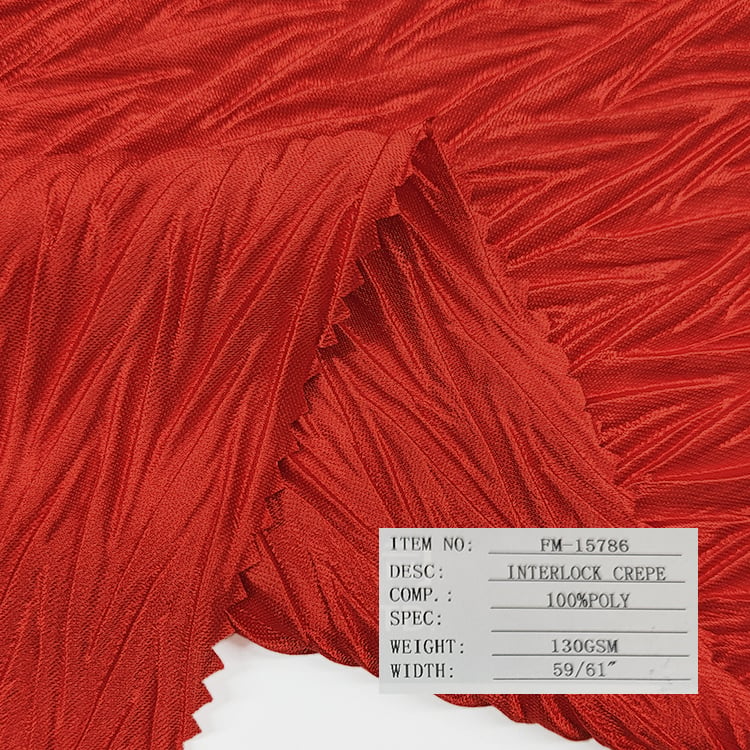
Fashion designers worldwide are increasingly turning to scuba fabric for its unique combination of structure, stretch, and versatility. This innovative textile has revolutionized the way contemporary garments are constructed, offering designers the perfect balance between comfort and architectural silhouettes. Scuba fabric provides exceptional drape while maintaining its shape, making it an ideal choice for both ready-to-wear collections and high-end fashion pieces. The material's distinctive properties have made it a staple in modern fashion design, particularly for creating garments that require both flexibility and form retention.
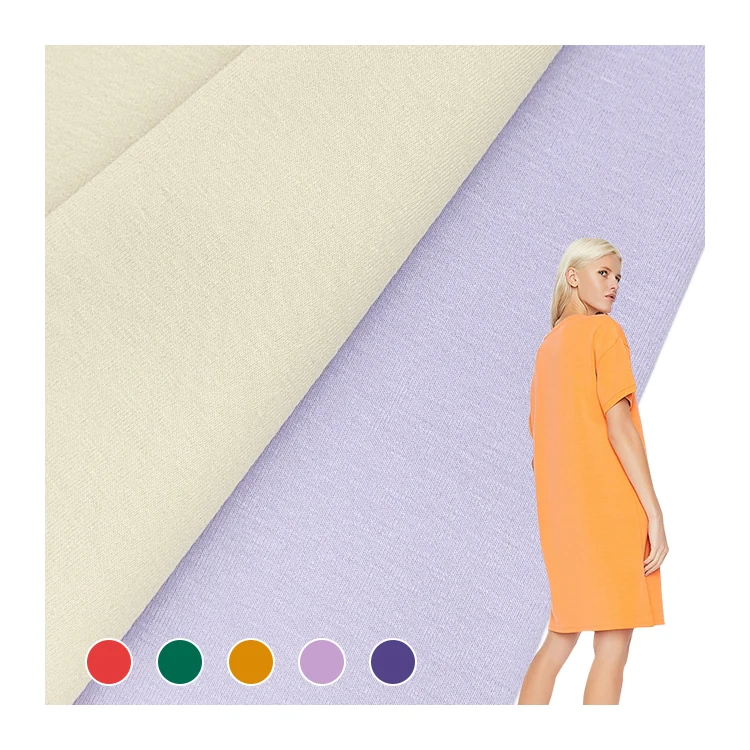
Understanding Scuba Fabric Composition and Properties
Material Composition and Manufacturing Process
Scuba fabric typically consists of a polyester and spandex blend, with some variations incorporating cotton fibers for enhanced comfort and breathability. The manufacturing process involves double-knit construction, creating a thick, stable fabric with excellent recovery properties. This construction method results in a textile that maintains its original shape even after repeated stretching and movement. The polyester content provides durability and color retention, while the spandex component contributes to the fabric's characteristic stretch and recovery capabilities.
The weight of scuba fabric generally ranges from 200 to 350 GSM (grams per square meter), with heavier weights offering more structure and lighter weights providing greater drape. The fabric's smooth surface and matte finish make it ideal for printing and dyeing processes, allowing designers to achieve vibrant colors and intricate patterns. Manufacturing techniques have evolved to create various surface textures and finishes, expanding the creative possibilities for fashion applications.
Physical and Performance Characteristics
One of the most notable characteristics of scuba fabric is its exceptional stretch recovery, typically offering 40-60% stretch in both directions while returning to its original dimensions. This bi-directional stretch makes it perfect for form-fitting garments that require freedom of movement. The fabric's thickness provides natural body and structure without the need for additional interfacing or support materials, simplifying the construction process for designers.
Temperature regulation is another key feature of quality scuba fabric, as the synthetic blend allows for moisture-wicking properties while maintaining breathability. The material's wrinkle resistance makes it practical for travel wear and everyday garments, reducing maintenance requirements for end consumers. Additionally, scuba fabric demonstrates excellent color fastness and UV resistance, ensuring garments maintain their appearance over time.
Applications in Contemporary Fashion Design
Structured Garments and Silhouette Creation
Fashion designers frequently choose scuba fabric for creating structured pieces that require architectural elements without compromising comfort. The material excels in applications such as blazers, jackets, and dresses where maintaining sharp lines and defined silhouettes is crucial. Unlike traditional suiting fabrics, scuba fabric allows for natural body movement while preserving the garment's intended shape and structure throughout wear.
The fabric's ability to hold pleats, gathers, and sculptural details makes it invaluable for avant-garde fashion designs. Designers can create dramatic volume and geometric shapes that would be impossible with conventional stretch fabrics. The material's stability eliminates the need for extensive lining or interfacing, resulting in lighter-weight garments with clean, professional finishes. This versatility has made scuba fabric a preferred choice for contemporary workwear and occasion wear collections.
Activewear and Performance Applications
The athletic wear industry has embraced scuba fabric for its performance characteristics and aesthetic appeal. The material's moisture management properties, combined with its four-way stretch capabilities, make it suitable for yoga wear, leggings, and sports bras. Unlike traditional athletic fabrics, scuba fabric offers enough structure to create flattering silhouettes while providing the necessary stretch for physical activity.
Swimwear designers also utilize scuba fabric variations for cover-ups and beach wear that transition seamlessly from water activities to casual dining. The quick-dry properties and chlorine resistance of quality scuba fabric make it practical for resort wear collections. The material's ability to maintain its shape after exposure to salt water and sun makes it superior to many traditional swimwear fabrics.
Selection Criteria for Fashion Designers
Weight and Thickness Considerations
Selecting the appropriate weight of scuba fabric is crucial for achieving desired design outcomes. Lighter weights, typically 200-250 GSM, work well for flowing dresses, tops, and garments requiring more drape and movement. These weights maintain the characteristic stretch properties while offering a softer hand feel that drapes beautifully on the body. Medium-weight options provide versatility for various garment types and seasonal collections.
Heavier weights, ranging from 300-350 GSM, excel in structured applications such as jackets, skirts, and pants where body and stability are priorities. The increased thickness provides natural shaping properties that eliminate the need for additional support materials. Designers must consider the end-use application when selecting fabric weight, as heavier weights may be less comfortable in warm climates but provide superior structure for professional wear.
Color and Finish Options
Modern scuba fabric is available in an extensive range of colors, from classic neutrals to vibrant fashion-forward hues. The fabric's smooth surface accepts dyes exceptionally well, resulting in rich, saturated colors with excellent colorfastness properties. Designers can choose from solid colors, printed patterns, or textured finishes depending on their collection needs and target market preferences.
Specialty finishes such as metallic coatings, foil applications, and embossed textures expand creative possibilities for evening wear and special occasion garments. The fabric's stability allows for various surface treatments without compromising its stretch properties or structural integrity. Some manufacturers offer eco-friendly dyeing processes and sustainable fiber blends, appealing to environmentally conscious designers and consumers.
Construction Techniques and Design Considerations
Sewing and Pattern Making Adaptations
Working with scuba fabric requires specific techniques to maximize its performance characteristics while ensuring professional construction quality. Pattern makers must account for the fabric's stretch properties when creating designs, often reducing ease allowances compared to woven fabrics. The material's stability allows for minimal seam finishing, as raw edges typically do not fray or require overlocking.
Specialized needles and threads designed for stretch fabrics ensure seam integrity and prevent skipped stitches during construction. The fabric's thickness may require adjustments to machine settings and presser foot pressure to achieve consistent stitch quality. Designers often choose flatlock or coverstitch seaming for activewear applications, while traditional straight seams work well for structured garments.
Pressing and Finishing Techniques
Proper pressing techniques are essential for achieving professional results with scuba fabric. Low to medium heat settings prevent melting or shininess while effectively setting seams and darts. Steam pressing works particularly well for shaping curved seams and eliminating construction-related puckering. The fabric's wrinkle resistance means minimal pressing is required during wear, but careful attention during construction ensures optimal finished appearance.
Edge finishing options include binding, hemming with twin needles, or utilizing the fabric's no-fray properties for raw edge finishes. The material's body allows for clean, crisp edges without additional stabilization in most applications. Designers can create professional-looking garments with simplified construction techniques, reducing production time and costs while maintaining quality standards.
Sustainability and Environmental Considerations
Eco-Friendly Manufacturing Approaches
The fashion industry's growing focus on sustainability has led to innovations in scuba fabric production methods and fiber selection. Some manufacturers now offer recycled polyester versions that maintain the performance characteristics of virgin fibers while reducing environmental impact. These sustainable alternatives appeal to environmentally conscious designers and brands seeking to minimize their carbon footprint.
Water-based dyeing processes and reduced chemical treatments represent additional steps toward more sustainable scuba fabric production. Manufacturers are investing in cleaner production technologies that reduce water usage and eliminate harmful chemicals from the manufacturing process. These improvements address environmental concerns while maintaining the quality and performance characteristics that make scuba fabric valuable for fashion applications.
Longevity and Care Requirements
The durability of quality scuba fabric contributes to sustainable fashion practices by creating garments with extended lifecycles. Proper care instructions help consumers maintain their garments' appearance and performance over time, reducing the need for frequent replacement. The fabric's wrinkle resistance and easy-care properties make it practical for busy lifestyles while supporting sustainable consumption patterns.
Designers can contribute to sustainability by selecting high-quality scuba fabric that withstands repeated washing and wearing without degradation. Education about proper care techniques helps extend garment life and maintains the fabric's beneficial properties throughout its useful life. This approach aligns with circular fashion principles and supports responsible consumption practices.
Market Trends and Future Developments
Innovation in Fiber Technology
Ongoing research and development in textile technology continues to improve scuba fabric performance and expand its applications. New fiber blends incorporating natural and synthetic materials offer enhanced comfort while maintaining the structural properties that make scuba fabric valuable for fashion design. Innovations in moisture management and temperature regulation technologies create opportunities for performance-enhanced versions suitable for technical applications.
Smart textile integration represents an emerging trend, with possibilities for incorporating conductive fibers or responsive materials into scuba fabric construction. These developments could enable garments with built-in sensors, heating elements, or color-changing properties while maintaining the fabric's characteristic stretch and structure. Such innovations position scuba fabric at the forefront of functional fashion development.
Market Demand and Consumer Preferences
Consumer demand for versatile, comfortable clothing continues to drive growth in the scuba fabric market. The work-from-home trend has increased interest in garments that appear professional while offering athletic wear comfort. Scuba fabric bridges this gap effectively, providing structure and polish while accommodating all-day comfort requirements.
International fashion weeks consistently feature collections utilizing scuba fabric, demonstrating its acceptance across luxury and mass market segments. The material's photogenic qualities make it popular for social media fashion content, contributing to increased consumer awareness and demand. This visibility drives continued innovation and market expansion for scuba fabric applications.
FAQ
What makes scuba fabric different from regular stretch fabrics
Scuba fabric differs from regular stretch fabrics primarily in its construction and stability. While most stretch fabrics rely on spandex content for elasticity, scuba fabric combines stretch properties with structural integrity through its double-knit construction. This creates a material that stretches comfortably but returns to its original shape and maintains architectural elements like pleats and structured silhouettes. Regular stretch fabrics often lack this combination of flexibility and structure.
How should designers care for garments made from scuba fabric
Garments made from scuba fabric should be machine washed in cold water with mild detergent to preserve color and stretch properties. Avoid fabric softeners, as they can break down the spandex fibers over time. Tumble dry on low heat or air dry to prevent damage from excessive heat. The fabric's wrinkle-resistant properties mean minimal ironing is required, but if pressing is necessary, use low heat settings with a press cloth to prevent shine or melting.
What weight of scuba fabric works best for different garment types
The choice of scuba fabric weight depends on the intended garment and desired drape. Lightweight options around 200-250 GSM work well for flowy dresses, tops, and garments requiring more movement and drape. Medium weights around 270-300 GSM offer versatility for various applications including fitted dresses and casual blazers. Heavy weights of 300+ GSM excel in structured pieces like tailored jackets, pencil skirts, and pants where body and stability are priorities.
Can scuba fabric be used for professional and formal wear
Yes, scuba fabric is excellent for professional and formal wear due to its ability to create clean, structured silhouettes while providing comfort throughout the day. The material's wrinkle resistance makes it practical for business travel, and its stretch properties accommodate movement without compromising the garment's professional appearance. Many contemporary workwear brands utilize scuba fabric for blazers, dresses, and separates that bridge the gap between comfort and professional styling requirements.