
 EN
EN




The textile industry has undergone a remarkable transformation in recent years, with sustainability becoming a driving force behind innovative manufacturing processes. Among the most significant developments is the rise of recycled polyester fabric, which offers manufacturers and consumers an environmentally responsible alternative to traditional synthetic materials. This revolutionary approach to textile production addresses the growing concerns about plastic waste while maintaining the performance characteristics that make polyester fabrics so popular across various applications.
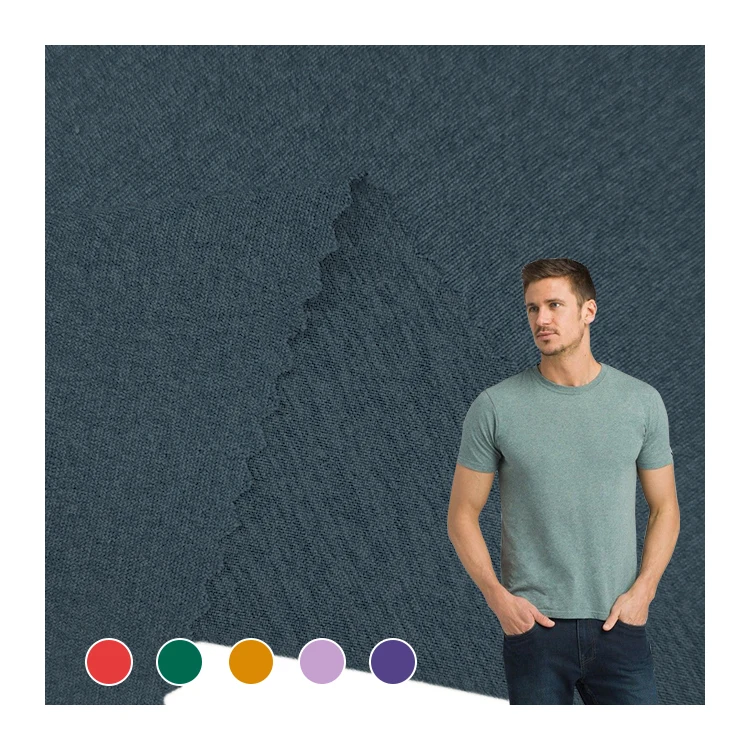
The manufacturing process of recycled polyester fabric represents a sophisticated blend of environmental science and textile engineering. By transforming discarded plastic bottles and other polyester waste into high-quality fabric materials, manufacturers can significantly reduce their environmental footprint while producing textiles that meet stringent quality standards. This circular economy approach not only diverts plastic waste from landfills and oceans but also reduces the energy consumption typically associated with virgin polyester production.
Understanding the intricacies of recycled polyester fabric production provides valuable insights into how modern textile manufacturers are addressing sustainability challenges. The process involves multiple stages of collection, sorting, cleaning, and reprocessing that ultimately transform waste materials into versatile fabric solutions suitable for everything from athletic wear to fashion garments and home textiles.
Raw Material Collection and Preparation
Plastic Waste Sourcing and Collection Systems
The foundation of recycled polyester fabric manufacturing begins with comprehensive plastic waste collection systems. These systems target post-consumer plastic bottles, primarily those made from polyethylene terephthalate (PET), which serves as the primary raw material for recycled polyester production. Collection networks span across municipal recycling programs, bottle deposit systems, and specialized waste management partnerships that ensure a steady supply of suitable plastic materials.
Effective collection systems must maintain strict quality standards to ensure the resulting recycled polyester fabric meets performance expectations. This involves establishing partnerships with recycling facilities, beverage companies, and waste management organizations that can provide clean, sorted plastic materials. The quality of collected materials directly impacts the final fabric characteristics, making source control a critical component of the manufacturing process.
Modern collection systems also incorporate advanced sorting technologies that can identify and separate different types of plastic materials. This precision sorting ensures that only appropriate PET materials enter the recycled polyester fabric production stream, preventing contamination that could compromise fabric quality or performance.
Material Sorting and Quality Assessment
Once collected, plastic materials undergo rigorous sorting and quality assessment procedures that determine their suitability for recycled polyester fabric production. Advanced optical sorting systems use infrared technology to identify different polymer types, ensuring that only high-quality PET materials proceed through the manufacturing process. This technological precision prevents contamination and maintains the integrity of the final fabric product.
Quality assessment protocols evaluate factors such as color consistency, contamination levels, and material degradation that could affect the performance of recycled polyester fabric. Materials that fail to meet established quality standards are redirected to alternative recycling streams, ensuring that only optimal raw materials contribute to fabric production. This selective approach maintains the high performance standards expected from modern textile applications.
The sorting process also involves removing labels, adhesives, and other non-polyester components that could interfere with the manufacturing process. This meticulous preparation ensures that the resulting recycled polyester fabric maintains consistent properties and meets the demanding specifications required for various textile applications.
Chemical Processing and Fiber Production
Depolymerization and Purification Techniques
The transformation of sorted plastic waste into recycled polyester fabric begins with sophisticated depolymerization processes that break down the original polymer structure into its constituent chemical components. This chemical recycling approach involves treating the plastic materials with specific solvents and catalysts that separate the polyester chains into monomers, creating a purified raw material suitable for fiber production.
Advanced purification techniques remove impurities and contaminants that could compromise the quality of recycled polyester fabric. These processes employ multiple filtration stages, chemical treatments, and thermal processing to achieve purity levels comparable to virgin polyester materials. The purification phase is critical for ensuring that the resulting fabric meets performance standards for color consistency, strength, and durability.
Modern depolymerization facilities utilize closed-loop systems that minimize waste generation and maximize resource efficiency. These systems capture and reuse solvents and other processing chemicals, reducing the environmental impact of recycled polyester fabric production while maintaining economic viability for manufacturers.
Polymerization and Fiber Formation
Following purification, the monomers undergo polymerization processes that reconstruct the polyester polymer chains necessary for fiber production. This critical stage involves precise temperature and pressure control to ensure that the resulting recycled polyester fabric exhibits consistent molecular structure and performance characteristics. Advanced reactor systems monitor and control reaction conditions to optimize polymer formation and prevent degradation.
The polymerization process can be adjusted to create different polymer grades suitable for various recycled polyester fabric applications. By controlling reaction parameters such as temperature, pressure, and catalyst concentration, manufacturers can produce polymers with specific properties that meet the requirements for different textile end-uses, from lightweight athletic fabrics to heavy-duty industrial textiles.
Once polymerization is complete, the polymer material undergoes fiber formation through melt spinning processes. These processes force the molten polymer through precision spinnerets to create continuous filaments that form the basis of recycled polyester fabric. The spinning process parameters, including temperature, pressure, and draw ratios, are carefully controlled to achieve desired fiber properties such as strength, elongation, and dyeability.
Fabric Construction and Quality Control
Yarn Production and Processing
The continuous filaments produced during fiber formation are processed into yarns suitable for recycled polyester fabric construction. This involves texturing processes that modify the yarn structure to achieve specific performance characteristics such as stretch, recovery, and hand feel. Various texturing methods, including false twist texturing and air jet texturing, can be employed depending on the intended fabric application and performance requirements.
Yarn processing also includes heat setting treatments that stabilize the fiber structure and optimize the performance characteristics of recycled polyester fabric. These thermal treatments ensure dimensional stability, reduce shrinkage tendencies, and improve the yarn's ability to withstand subsequent fabric construction processes. The heat setting parameters are carefully controlled to maintain fiber integrity while achieving desired performance properties.
Quality control measures throughout yarn production ensure that recycled polyester fabric meets established performance standards. This includes continuous monitoring of yarn properties such as tensile strength, elongation, and uniformity, with automated systems detecting and correcting deviations from specified parameters. These quality assurance protocols guarantee that the final fabric products meet customer expectations for performance and reliability.
Weaving and Knitting Processes
The construction of recycled polyester fabric involves sophisticated weaving or knitting processes that transform processed yarns into finished textile materials. Modern textile machinery is specifically calibrated to handle recycled polyester yarns, ensuring optimal fabric formation while maintaining production efficiency. The choice between weaving and knitting depends on the intended application and desired fabric characteristics.
Weaving processes for recycled polyester fabric utilize high-speed looms equipped with advanced yarn handling systems that accommodate the specific properties of recycled fibers. These systems ensure consistent fabric formation while minimizing waste and maintaining high production rates. The weaving parameters, including tension settings, shed timing, and beat-up force, are optimized for recycled polyester yarns to achieve superior fabric quality.
Knitting processes offer versatility in creating recycled polyester fabric with various stretch and recovery characteristics. Modern knitting machines can produce complex fabric structures that incorporate recycled polyester yarns with other fibers, creating innovative fabric compositions that meet specific performance requirements. The knitting process parameters are carefully controlled to ensure consistent loop formation and fabric stability.
Finishing and Performance Enhancement
Dyeing and Color Application
The dyeing process for recycled polyester fabric requires specialized techniques that account for the unique characteristics of recycled fibers. Advanced dyeing systems ensure uniform color penetration and excellent colorfastness properties, meeting the demanding standards expected from modern textile applications. The dyeing process may require modifications to traditional procedures to accommodate the specific properties of recycled polyester materials.
Color application techniques for recycled polyester fabric include both piece dyeing and solution dyeing methods. Piece dyeing involves applying color to finished fabric using high-temperature dyeing processes that ensure thorough color penetration and excellent wash fastness. Solution dyeing, alternatively, introduces color during the fiber production stage, creating recycled polyester fabric with superior color consistency and resistance to fading.
Environmental considerations play a significant role in dyeing processes for recycled polyester fabric. Modern dyeing facilities implement water recycling systems, energy-efficient heating methods, and eco-friendly dye formulations that minimize environmental impact while maintaining superior color quality. These sustainable dyeing practices align with the environmental benefits of using recycled materials.
Functional Finishing Applications
Functional finishing processes enhance the performance characteristics of recycled polyester fabric, adding properties such as moisture management, antimicrobial protection, and flame resistance. These finishing treatments are carefully formulated to work effectively with recycled polyester fibers, ensuring that performance enhancements remain durable throughout the fabric's service life.
Moisture management finishes applied to recycled polyester fabric improve comfort by facilitating moisture transport away from the skin. These finishes modify the surface properties of the fibers to enhance wicking performance while maintaining the inherent durability and easy-care characteristics of recycled polyester materials. The application process is optimized to ensure uniform treatment distribution and long-lasting performance.
Advanced finishing techniques may include plasma treatments, coating applications, or chemical modifications that impart specific functional properties to recycled polyester fabric. These treatments are selected based on the intended end-use application and performance requirements, ensuring that the finished fabric meets or exceeds customer expectations for functionality and durability.
Quality Assurance and Testing Protocols
Physical Property Testing
Comprehensive testing protocols ensure that recycled polyester fabric meets established quality standards and performance specifications. Physical property testing includes assessments of tensile strength, tear resistance, abrasion resistance, and dimensional stability that verify the fabric's suitability for intended applications. These tests follow international standards and industry best practices to provide reliable performance data.
Testing procedures for recycled polyester fabric also evaluate colorfastness properties, including resistance to washing, light exposure, and chemical exposure. These assessments ensure that the fabric maintains its appearance and performance characteristics throughout its service life. Advanced testing equipment provides precise measurements and consistent results that support quality assurance programs.
Specialized testing for recycled polyester fabric may include assessments of environmental performance, such as recyclability and biodegradation characteristics. These tests support sustainability claims and provide data for life cycle assessments that demonstrate the environmental benefits of choosing recycled materials over virgin alternatives.
Performance Validation and Certification
Performance validation processes confirm that recycled polyester fabric meets specific application requirements and industry standards. This includes testing under simulated use conditions that replicate the stresses and environmental exposures the fabric will encounter in actual applications. Validation testing provides confidence in product performance and supports warranty claims.
Certification programs for recycled polyester fabric verify the recycled content and environmental performance claims associated with the product. Third-party certifications provide independent validation of sustainability attributes and manufacturing processes, supporting marketing claims and meeting customer requirements for verified environmental performance.
Ongoing quality monitoring ensures that recycled polyester fabric production maintains consistent quality standards throughout manufacturing cycles. Statistical process control methods track key quality parameters and identify trends that might indicate process variations requiring corrective action. This continuous improvement approach ensures reliable product quality and customer satisfaction.
Applications and Market Opportunities
Apparel and Fashion Applications
The apparel industry represents one of the largest markets for recycled polyester fabric, with applications spanning from athletic wear to fashion garments. The performance characteristics of recycled polyester fabric, including moisture management, durability, and easy care, make it particularly suitable for active wear applications where comfort and performance are critical factors.
Fashion brands increasingly incorporate recycled polyester fabric into their product lines as part of sustainability initiatives and consumer demand for environmentally responsible products. The versatility of recycled polyester allows designers to create innovative fabric compositions that meet aesthetic and performance requirements while supporting environmental objectives.
Market trends indicate growing consumer acceptance of recycled polyester fabric in premium apparel applications. This acceptance is driven by improved quality standards and performance characteristics that match or exceed those of virgin polyester materials, combined with the environmental benefits of recycled content.
Technical and Industrial Applications
Technical textile applications for recycled polyester fabric include automotive interiors, filtration media, and geotextile applications where durability and performance are primary considerations. The consistent properties achieved through advanced manufacturing processes ensure that recycled polyester fabric can meet demanding technical specifications for industrial applications.
Home textile applications represent another growing market for recycled polyester fabric, including bedding, upholstery, and decorative fabrics. The stain resistance, durability, and easy care characteristics of recycled polyester make it particularly suitable for high-use home textile applications where performance and maintenance are important factors.
Emerging applications for recycled polyester fabric include packaging textiles, medical textiles, and smart textile systems that incorporate electronic components. These advanced applications require precise control of fabric properties and performance characteristics that can be achieved through optimized manufacturing processes and quality control systems.
FAQ
What is the environmental impact of recycled polyester fabric compared to virgin polyester
Recycled polyester fabric production typically reduces energy consumption by 30-50% compared to virgin polyester manufacturing while diverting plastic waste from landfills and oceans. The process significantly reduces greenhouse gas emissions and water usage, though it still requires energy-intensive processing. Life cycle assessments demonstrate clear environmental advantages, particularly when considering the waste diversion benefits and reduced reliance on petroleum-based raw materials for virgin polyester production.
How does the quality of recycled polyester fabric compare to virgin polyester
Modern recycled polyester fabric manufacturing processes produce materials with performance characteristics that match or closely approximate virgin polyester properties. Advanced purification and processing techniques ensure consistent fiber quality, strength, and durability. While some applications may show minor differences in specific properties like dye uptake or thermal stability, these differences are typically insignificant for most textile applications and continue to improve as manufacturing technologies advance.
What types of plastic waste can be used to produce recycled polyester fabric
The primary source material for recycled polyester fabric is post-consumer PET plastic bottles, which provide the highest quality and most consistent raw material. Some manufacturing processes can also utilize other polyester waste streams, including textile waste and industrial polyester scraps. However, plastic bottles remain the preferred source due to their consistent quality, availability, and the established collection infrastructure that ensures reliable material supply for large-scale production.
Are there limitations to recycling polyester fabric multiple times
Mechanical recycling of polyester fabric can be repeated several times, though each recycling cycle may result in some reduction in molecular weight and fiber properties. Chemical recycling processes, which break down the polymer to its molecular components, can theoretically be repeated indefinitely without significant property degradation. Current industry practices typically focus on first and second-generation recycling, with ongoing research aimed at developing more efficient methods for multiple recycling cycles while maintaining fabric quality and performance.
Table of Contents
- Raw Material Collection and Preparation
- Chemical Processing and Fiber Production
- Fabric Construction and Quality Control
- Finishing and Performance Enhancement
- Quality Assurance and Testing Protocols
- Applications and Market Opportunities
-
FAQ
- What is the environmental impact of recycled polyester fabric compared to virgin polyester
- How does the quality of recycled polyester fabric compare to virgin polyester
- What types of plastic waste can be used to produce recycled polyester fabric
- Are there limitations to recycling polyester fabric multiple times