
 EN
EN


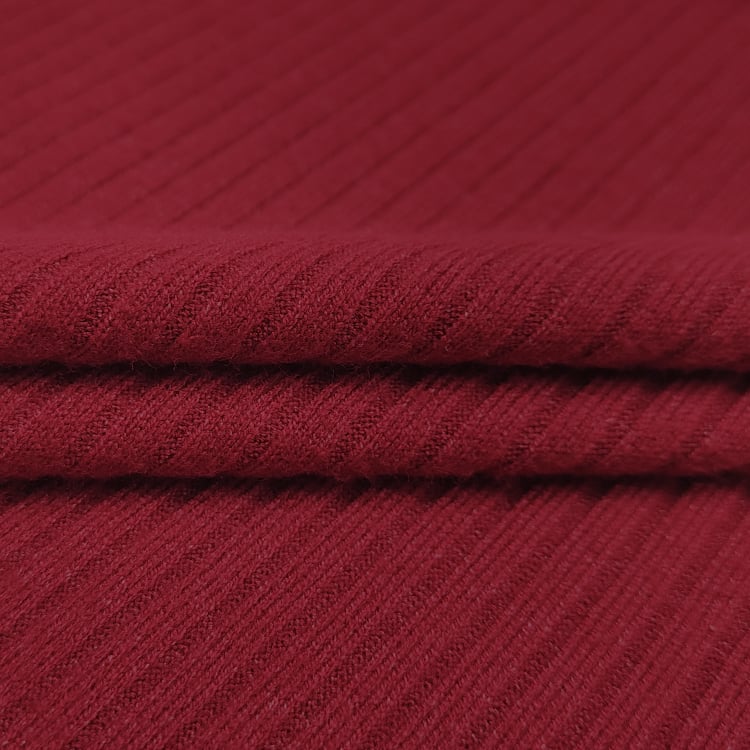
The home textiles industry is experiencing a remarkable transformation in 2025, with terry fabric emerging as one of the most versatile and sought-after materials in the market. This luxurious textile combines comfort, functionality, and aesthetic appeal, making it an ideal choice for modern consumers who prioritize both quality and style in their living spaces. The growing demand for sustainable and high-performance home textiles has positioned terry fabric as a frontrunner in innovative design solutions.
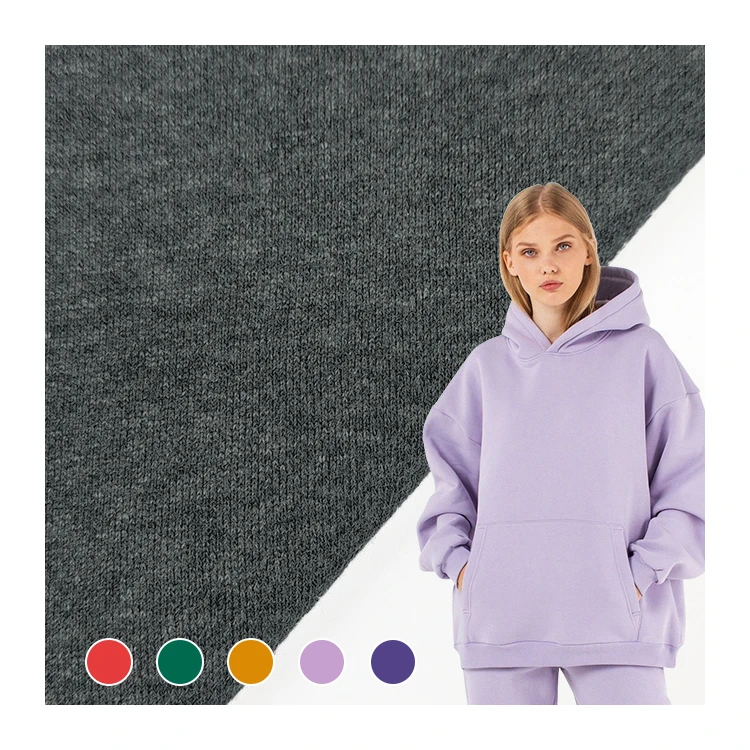
As we delve deeper into the current market dynamics, terry fabric continues to revolutionize how designers and manufacturers approach home textile production. The unique looped construction of terry fabric provides exceptional absorbency while maintaining a soft, plush texture that consumers find irresistible. This year's trends showcase terry fabric applications extending far beyond traditional towels and bathrobes, encompassing upholstery, decorative pillows, throws, and even wall coverings.
Revolutionary Manufacturing Techniques in Terry Fabric Production
Advanced Knitting Technologies
Modern terry fabric production has embraced cutting-edge knitting technologies that enhance both quality and efficiency. Manufacturers are implementing computerized knitting systems that allow for precise control over loop formation, resulting in more consistent terry fabric textures and improved durability. These advanced systems can create varying pile heights within a single fabric piece, enabling designers to incorporate sophisticated patterns and textures that were previously impossible to achieve.
The integration of artificial intelligence in terry fabric manufacturing has streamlined quality control processes, ensuring that each yard meets stringent standards for absorption, softness, and visual appeal. Smart sensors monitor thread tension, loop uniformity, and fabric density in real-time, allowing for immediate adjustments that optimize terry fabric performance characteristics.
Sustainable Production Methods
Environmental consciousness has become a driving force in terry fabric production, with manufacturers adopting eco-friendly practices that reduce water consumption and chemical usage. Innovative dyeing techniques utilize natural pigments and low-impact processes that preserve the inherent qualities of terry fabric while minimizing environmental footprint. These sustainable approaches have resulted in terry fabric products that appeal to environmentally conscious consumers without compromising on quality or performance.
Closed-loop manufacturing systems now allow terry fabric producers to recycle water and chemicals, significantly reducing waste and operational costs. This circular approach to production has made terry fabric manufacturing more sustainable while maintaining the high standards consumers expect from premium home textiles.
Color Palettes and Design Innovations
Trending Color Schemes
The 2025 color palette for terry fabric reflects a sophisticated blend of earthy tones and vibrant accents that complement contemporary interior design trends. Warm neutrals such as sage green, terracotta, and mushroom have gained popularity, offering versatility that allows terry fabric to seamlessly integrate into various decorating schemes. These colors enhance the natural texture of terry fabric while providing a calming, spa-like atmosphere in residential settings.
Bold jewel tones including emerald, sapphire, and ruby are making a statement in luxury terry fabric collections. These rich colors showcase the depth and dimension that high-quality terry fabric can achieve, creating focal points that elevate the overall aesthetic of living spaces. The interplay between light and shadow on textured terry fabric surfaces amplifies these colors, resulting in dynamic visual interest throughout the day.
Pattern Innovation and Texture Variation
Geometric patterns have emerged as a dominant trend in terry fabric design, with manufacturers creating intricate motifs through selective loop cutting and varying pile heights. These patterns add visual complexity to terry fabric surfaces while maintaining the functional benefits that make this material so appealing. Designers are experimenting with asymmetrical patterns and organic shapes that create movement and flow in home textile applications.
Multi-textural terry fabric designs combine different loop styles within single pieces, creating tactile experiences that engage multiple senses. These innovations allow terry fabric to serve both functional and decorative purposes, making it an increasingly popular choice for statement pieces in modern homes.
Applications Beyond Traditional Uses
Upholstery and Furniture Applications
The versatility of terry fabric has expanded its applications into high-end furniture upholstery, where its durability and comfort make it an excellent choice for frequently used pieces. Sofas, chairs, and ottomans upholstered in terry fabric provide a unique tactile experience while offering practical benefits such as moisture absorption and easy maintenance. The natural stretch properties of terry fabric allow for comfortable seating that conforms to body contours.
Commercial applications of terry fabric in hospitality settings have grown significantly, with hotels and spas incorporating terry fabric upholstery in relaxation areas and treatment rooms. The hypoallergenic properties of quality terry fabric make it suitable for environments where cleanliness and comfort are paramount, while its luxurious appearance enhances the overall guest experience.
Decorative and Accent Applications
Terry fabric has found new life in decorative applications such as throw pillows, wall hangings, and window treatments. These applications take advantage of terry fabric's natural draping properties and textural interest to create focal points that add warmth and sophistication to interior spaces. The light-filtering capabilities of terry fabric make it particularly effective for creating ambient lighting effects when used in window treatments.
Artisans and designers are exploring terry fabric applications in custom art installations and sculptural pieces that showcase the material's unique properties. These creative uses demonstrate the artistic potential of terry fabric beyond its traditional functional roles, inspiring new approaches to textile art and interior design.
Performance and Functionality Enhancements
Moisture Management Technologies
Recent advances in terry fabric treatment have significantly improved its moisture-wicking capabilities, making it ideal for active lifestyle applications and high-humidity environments. Specialized finishes applied during manufacturing enhance the natural absorbency of terry fabric while adding quick-dry properties that prevent bacterial growth and odor retention. These technological improvements have expanded terry fabric's appeal to health-conscious consumers seeking hygienic home textile solutions.
Antimicrobial treatments integrated into terry fabric during production provide long-lasting protection against bacteria and fungi without compromising the fabric's soft texture or absorbency. These innovations have made terry fabric particularly popular in bathroom applications and bedding, where hygiene and comfort are equally important considerations.
Durability and Longevity Features
Modern terry fabric production techniques have resulted in textiles that maintain their appearance and performance characteristics through hundreds of wash cycles. Reinforced loop construction and advanced fiber blending create terry fabric that resists pilling, fading, and texture degradation even with frequent use and laundering. These durability improvements have made terry fabric an economical choice for consumers seeking long-term value in their home textile investments.
Color-fast technology ensures that terry fabric maintains its vibrant appearance over time, while shape-retention treatments prevent stretching and distortion that can occur with regular use. These performance enhancements have elevated terry fabric from a purely functional material to a premium textile suitable for high-end residential and commercial applications.
Market Trends and Consumer Preferences
Luxury Market Expansion
The luxury home textiles market has embraced terry fabric as a premium material that combines comfort with sophistication. High-end retailers are showcasing terry fabric products that feature exceptional craftsmanship, unique designs, and superior materials that justify premium pricing. This market expansion has encouraged innovation in terry fabric production, resulting in products that meet the exacting standards of discerning consumers.
Luxury terry fabric collections often incorporate natural fibers such as organic cotton, bamboo, and modal that enhance the material's inherent properties while appealing to environmentally conscious consumers. These premium terry fabric products command higher prices while delivering exceptional value through superior performance and longevity.
Customization and Personalization Trends
Consumer demand for personalized home textiles has driven terry fabric manufacturers to offer extensive customization options including custom colors, patterns, and textures. Digital printing technologies allow for complex designs to be applied to terry fabric surfaces, creating unique pieces that reflect individual style preferences and complement specific interior design schemes.
Made-to-order terry fabric products enable consumers to specify exact dimensions, colors, and performance characteristics for their specific applications. This customization trend has created new market opportunities for terry fabric manufacturers while satisfying consumer desires for unique, personalized home textile solutions.
Care and Maintenance Best Practices
Optimal Washing Techniques
Proper care of terry fabric ensures that it maintains its appearance, texture, and performance characteristics throughout its lifespan. Washing terry fabric in warm water with gentle detergents helps preserve the loop structure while effectively removing dirt and oils. Avoiding fabric softeners during washing prevents buildup that can reduce terry fabric's absorbency and alter its texture.
Machine drying on medium heat settings allows terry fabric to fluff properly while preventing over-drying that can lead to stiffness or damage. Proper drying techniques help maintain the plush texture that makes terry fabric so appealing while ensuring that loops remain intact and functional.
Storage and Preservation Methods
Storing terry fabric products properly prevents damage from moisture, pests, and compression that can affect their appearance and performance. Clean, dry storage areas with adequate ventilation help maintain terry fabric quality during extended storage periods. Folding terry fabric items loosely or hanging them when possible prevents permanent creasing and maintains their natural texture.
Regular inspection of stored terry fabric items allows for early detection of any issues that might require attention, ensuring that these valuable home textiles remain in excellent condition for years of use and enjoyment.
FAQ
What makes terry fabric different from other home textile materials
Terry fabric is distinguished by its unique loop pile construction that creates exceptional absorbency and a distinctively soft texture. Unlike flat weaves or other textile constructions, terry fabric features uncut loops on one or both sides that trap air and moisture, making it ideal for applications where comfort and functionality are important. The three-dimensional structure of terry fabric also provides excellent insulation properties and durability that surpasses many other home textile materials.
How do I choose the right terry fabric for my specific application
Selecting appropriate terry fabric depends on several factors including intended use, desired performance characteristics, and aesthetic preferences. For high-absorbency applications like towels and bath linens, choose terry fabric with dense loop construction and natural fiber content. For decorative applications, consider terry fabric with interesting textures, colors, or patterns that complement your interior design. Weight and pile height also affect performance, with heavier terry fabric providing more absorbency and lighter versions offering quicker drying times.
Can terry fabric be used in commercial and hospitality settings
Terry fabric is exceptionally well-suited for commercial applications due to its durability, easy maintenance, and hygienic properties. Hotels, spas, healthcare facilities, and fitness centers frequently use terry fabric for towels, robes, and upholstery because it can withstand frequent laundering while maintaining its appearance and performance. Commercial-grade terry fabric often features enhanced durability treatments and antimicrobial properties that make it ideal for high-traffic environments where cleanliness and longevity are essential.
What are the environmental benefits of choosing sustainable terry fabric options
Sustainable terry fabric options offer significant environmental advantages including reduced water consumption during production, lower chemical usage, and improved biodegradability at end-of-life. Organic cotton terry fabric supports environmentally responsible farming practices, while recycled fiber terry fabric helps divert waste from landfills. Many sustainable terry fabric manufacturers also implement energy-efficient production processes and responsible sourcing practices that further reduce environmental impact while delivering high-quality products that meet consumer expectations for performance and durability.