
 EN
EN




The textile industry is experiencing a revolutionary shift toward sustainable materials, with recycled polyester fabric leading the charge in eco-friendly manufacturing. As consumers and businesses increasingly prioritize environmental responsibility, the demand for high-quality recycled polyester fabric has surged dramatically across global markets. This sustainable textile solution offers manufacturers an opportunity to reduce their environmental footprint while maintaining the durability and performance characteristics that modern applications require.
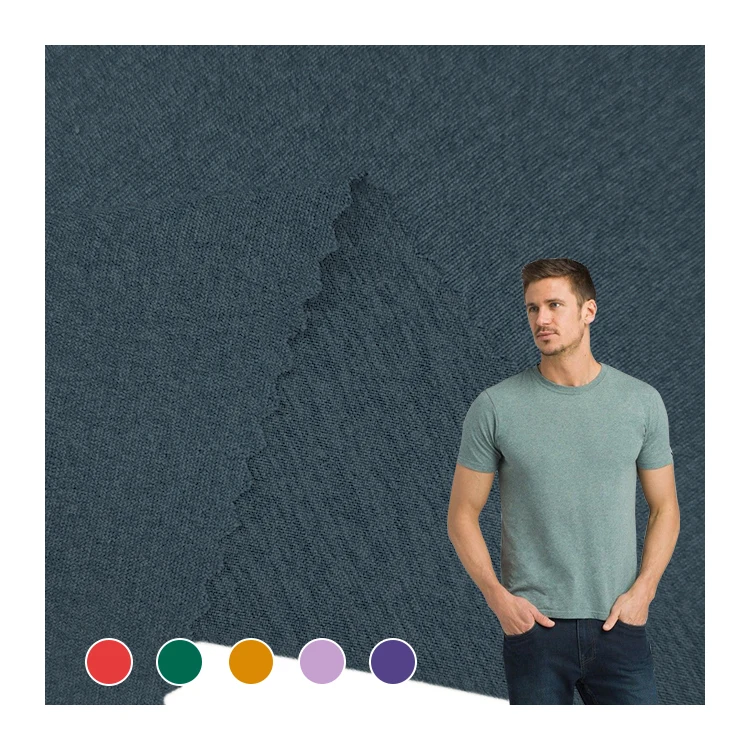
Modern recycled polyester fabric production utilizes advanced processing technologies to transform post-consumer plastic bottles and textile waste into premium-grade materials. The innovative manufacturing process ensures that recycled polyester fabric maintains exceptional strength, moisture-wicking properties, and color retention while significantly reducing energy consumption compared to virgin polyester production. Leading textile manufacturers are investing heavily in recycled polyester fabric capabilities to meet the growing market demand for sustainable alternatives.
The environmental benefits of choosing recycled polyester fabric extend far beyond waste reduction, encompassing decreased water usage, lower carbon emissions, and reduced dependency on petroleum-based raw materials. Industry research indicates that producing recycled polyester fabric requires up to 59% less energy than manufacturing virgin polyester, making it an attractive option for environmentally conscious brands and manufacturers seeking to optimize their supply chain sustainability.
Environmental Impact and Sustainability Benefits
Carbon Footprint Reduction Through Recycled Materials
The production of recycled polyester fabric generates significantly lower greenhouse gas emissions compared to traditional manufacturing processes. By utilizing existing plastic waste as raw material, manufacturers can achieve carbon footprint reductions of up to 75% while maintaining material performance standards. This environmental advantage makes recycled polyester fabric an essential component in corporate sustainability strategies and circular economy initiatives across various industries.
Advanced manufacturing facilities specializing in recycled polyester fabric production employ state-of-the-art emission control systems and renewable energy sources to further minimize environmental impact. The closed-loop manufacturing process ensures that waste materials are continuously recycled back into the production cycle, creating a sustainable system that supports long-term environmental goals while delivering consistent quality standards for end-users.
Water Conservation and Resource Efficiency
Traditional textile manufacturing processes consume enormous quantities of fresh water, but recycled polyester fabric production requires substantially less water throughout the manufacturing cycle. The mechanical recycling process used for creating recycled polyester fabric eliminates many water-intensive treatment stages, resulting in water savings of approximately 20% compared to virgin polyester production methods.
Manufacturers investing in recycled polyester fabric technology often implement comprehensive water management systems that include recycling and treatment facilities to maximize resource efficiency. These integrated approaches ensure that recycled polyester fabric production maintains high environmental standards while delivering cost-effective solutions for textile applications ranging from apparel to industrial materials.
Technical Specifications and Performance Characteristics
Material Properties and Durability Standards
High-quality recycled polyester fabric exhibits exceptional tensile strength, abrasion resistance, and dimensional stability that meets or exceeds industry standards for commercial applications. The advanced processing techniques used in modern recycled polyester fabric manufacturing ensure consistent fiber quality and performance characteristics throughout the material lifecycle. These technical attributes make recycled polyester fabric suitable for demanding applications including sportswear, outdoor equipment, and industrial textiles.
Laboratory testing confirms that properly manufactured recycled polyester fabric maintains structural integrity through multiple wash cycles while retaining color fastness and shape stability. The inherent moisture-wicking properties of recycled polyester fabric make it particularly valuable for athletic and performance applications where comfort and functionality are critical requirements.
Blend Options and Customization Capabilities
Modern recycled polyester fabric can be blended with various natural and synthetic fibers to achieve specific performance characteristics and aesthetic qualities. Popular blend combinations include recycled polyester fabric with spandex for enhanced stretch properties, or cotton blends for improved breathability and comfort in garment applications.
Textile manufacturers offer extensive customization options for recycled polyester fabric including weight specifications, weave patterns, and finishing treatments to meet specific application requirements. These customization capabilities enable designers and manufacturers to specify recycled polyester fabric properties that align with their performance criteria while maintaining sustainability objectives.
Market Applications and Industry Usage
Apparel and Fashion Industry Integration
The fashion industry has embraced recycled polyester fabric as a cornerstone material for sustainable clothing lines and eco-conscious brand initiatives. Leading apparel manufacturers utilize recycled polyester fabric in everything from basic t-shirts to high-performance athletic wear, demonstrating the versatility and market acceptance of this sustainable material. The ability to achieve various textures, weights, and finishes with recycled polyester fabric enables designers to create innovative products without compromising aesthetic or functional requirements.
Consumer awareness regarding sustainable fashion has driven significant demand growth for recycled polyester fabric applications across all market segments. Brands that prominently feature recycled polyester fabric in their product lines often experience enhanced brand loyalty and positive consumer response, particularly among environmentally conscious demographics that prioritize sustainable purchasing decisions.
Industrial and Technical Applications
Beyond apparel applications, recycled polyester fabric serves critical roles in industrial and technical applications including automotive interiors, filtration systems, and protective equipment manufacturing. The chemical resistance and durability characteristics of recycled polyester fabric make it suitable for demanding industrial environments where material performance and longevity are essential requirements.
Geotextile applications represent a growing market segment for recycled polyester fabric, where the material's strength and environmental resistance properties provide effective solutions for erosion control, drainage systems, and construction reinforcement applications. These technical applications demonstrate the versatility of recycled polyester fabric beyond traditional textile uses while contributing to sustainable infrastructure development.
Quality Assessment and Selection Criteria
Performance Testing and Certification Standards
Professional quality assessment of recycled polyester fabric involves comprehensive testing protocols that evaluate material properties including tensile strength, tear resistance, colorfastness, and dimensional stability. Reputable manufacturers provide detailed certification documentation that verifies recycled polyester fabric meets international quality standards and performance specifications for intended applications.
Third-party testing laboratories employ standardized methodologies to assess recycled polyester fabric quality parameters, ensuring consistent performance across production batches. These quality assurance processes give buyers confidence in recycled polyester fabric specifications and enable accurate material selection for specific application requirements.
Supply Chain Verification and Traceability
Reliable suppliers of recycled polyester fabric maintain comprehensive traceability systems that document material origins, processing methods, and quality control measures throughout the manufacturing process. This transparency enables buyers to verify the authenticity and environmental credentials of recycled polyester fabric while ensuring compliance with sustainability reporting requirements.
Leading recycled polyester fabric manufacturers invest in blockchain-based tracking systems and digital certification platforms that provide real-time visibility into supply chain operations. These advanced traceability systems support corporate sustainability initiatives and enable accurate environmental impact reporting for organizations utilizing recycled polyester fabric in their products.
Cost Considerations and Economic Benefits
Pricing Factors and Market Dynamics
The pricing structure for recycled polyester fabric reflects various factors including raw material availability, processing complexity, and market demand fluctuations. While recycled polyester fabric may command premium pricing compared to conventional alternatives, the long-term cost benefits include reduced environmental compliance costs and enhanced brand value through sustainability positioning.
Market analysis indicates that recycled polyester fabric pricing is becoming increasingly competitive as production volumes scale and manufacturing technologies improve. Forward-thinking businesses that invest in recycled polyester fabric sourcing often realize cost advantages through improved operational efficiency and reduced regulatory compliance expenses.
Return on Investment and Value Proposition
The economic benefits of adopting recycled polyester fabric extend beyond direct material costs to include enhanced brand reputation, customer loyalty, and market differentiation advantages. Companies that prominently feature recycled polyester fabric in their products often experience improved sales performance and premium pricing opportunities in environmentally conscious market segments.
Long-term financial benefits of recycled polyester fabric adoption include reduced exposure to volatile petroleum-based material prices and potential regulatory incentives for sustainable manufacturing practices. These economic advantages make recycled polyester fabric an attractive investment for companies seeking to optimize both environmental and financial performance.
Future Trends and Innovation Opportunities
Technological Advancements in Production Methods
Emerging technologies in recycled polyester fabric manufacturing include chemical recycling processes that can handle more complex waste streams and produce higher-quality output materials. These innovations promise to expand the availability of recycled polyester fabric while improving performance characteristics and reducing production costs.
Research and development initiatives focus on enhancing recycled polyester fabric properties through molecular-level processing improvements and advanced additive technologies. These technological advances will likely result in recycled polyester fabric options with enhanced functionality and expanded application possibilities across diverse industries.
Market Growth Projections and Opportunities
Industry forecasts predict substantial growth in recycled polyester fabric demand driven by increasing environmental regulations, consumer awareness, and corporate sustainability commitments. Market analysts project that recycled polyester fabric will capture an increasing share of the global textile market as production capacity expands and cost competitiveness improves.
Emerging market opportunities for recycled polyester fabric include specialized applications in medical textiles, smart fabrics, and advanced composite materials. These high-value applications represent significant growth potential for recycled polyester fabric manufacturers and users seeking to capitalize on expanding market segments.
FAQ
What are the main advantages of using recycled polyester fabric over traditional materials
Recycled polyester fabric offers significant environmental benefits including reduced carbon emissions, decreased water usage, and waste diversion from landfills. The material maintains comparable performance characteristics to virgin polyester while supporting circular economy principles and corporate sustainability goals.
How does the quality of recycled polyester fabric compare to virgin polyester
Modern recycled polyester fabric manufacturing processes produce materials that meet or exceed the quality standards of virgin polyester. Advanced processing technologies ensure consistent fiber properties, durability, and performance characteristics while providing the additional benefit of environmental sustainability.
What applications are best suited for recycled polyester fabric
Recycled polyester fabric performs excellently in apparel applications, sportswear, outdoor equipment, industrial textiles, and automotive interiors. The material's versatility makes it suitable for any application where traditional polyester is used, with the added advantage of enhanced sustainability credentials.
How can businesses verify the authenticity of recycled polyester fabric
Reputable suppliers provide comprehensive certification documentation and traceability systems that verify recycled polyester fabric origins and processing methods. Third-party testing and certification programs offer additional assurance of material authenticity and environmental compliance standards.
Table of Contents
- Environmental Impact and Sustainability Benefits
- Technical Specifications and Performance Characteristics
- Market Applications and Industry Usage
- Quality Assessment and Selection Criteria
- Cost Considerations and Economic Benefits
- Future Trends and Innovation Opportunities
-
FAQ
- What are the main advantages of using recycled polyester fabric over traditional materials
- How does the quality of recycled polyester fabric compare to virgin polyester
- What applications are best suited for recycled polyester fabric
- How can businesses verify the authenticity of recycled polyester fabric