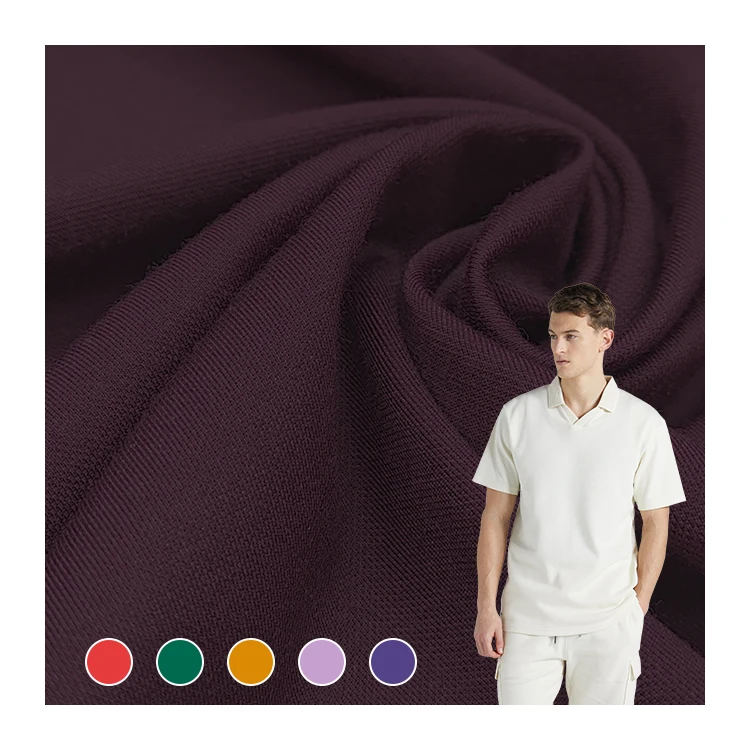
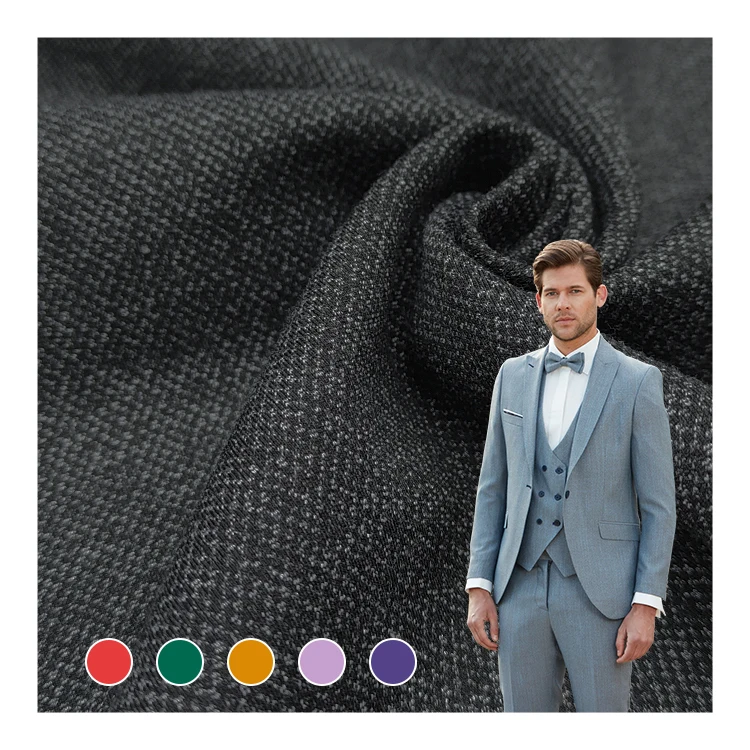
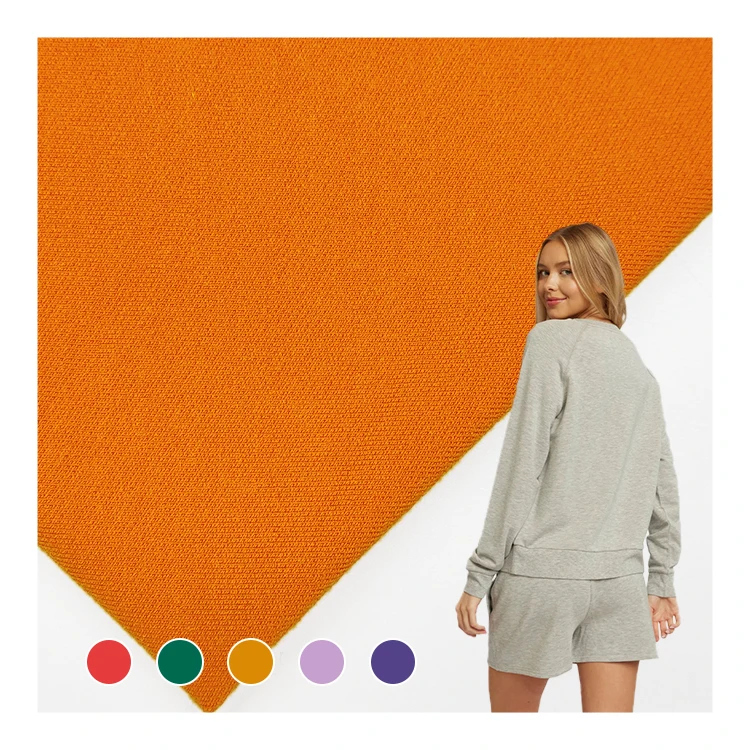
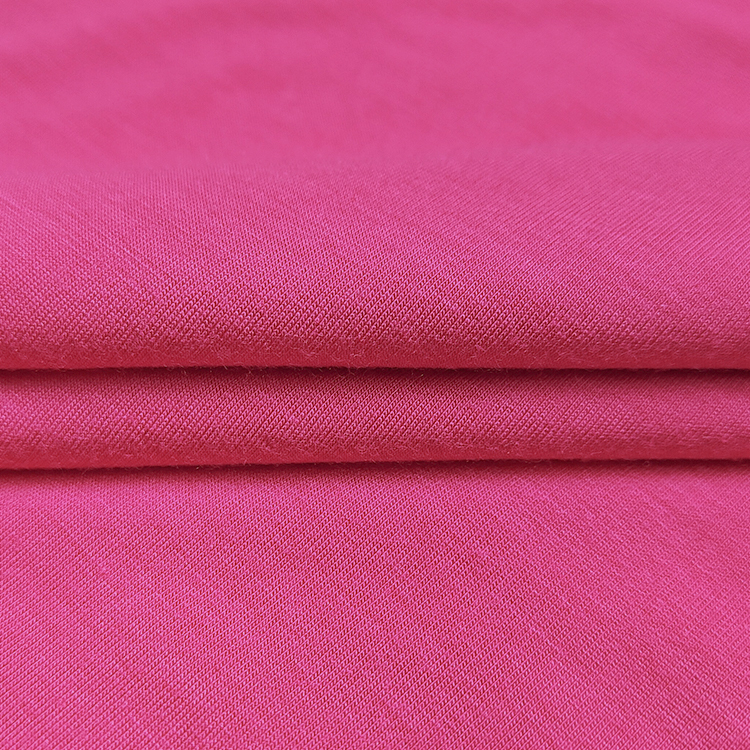
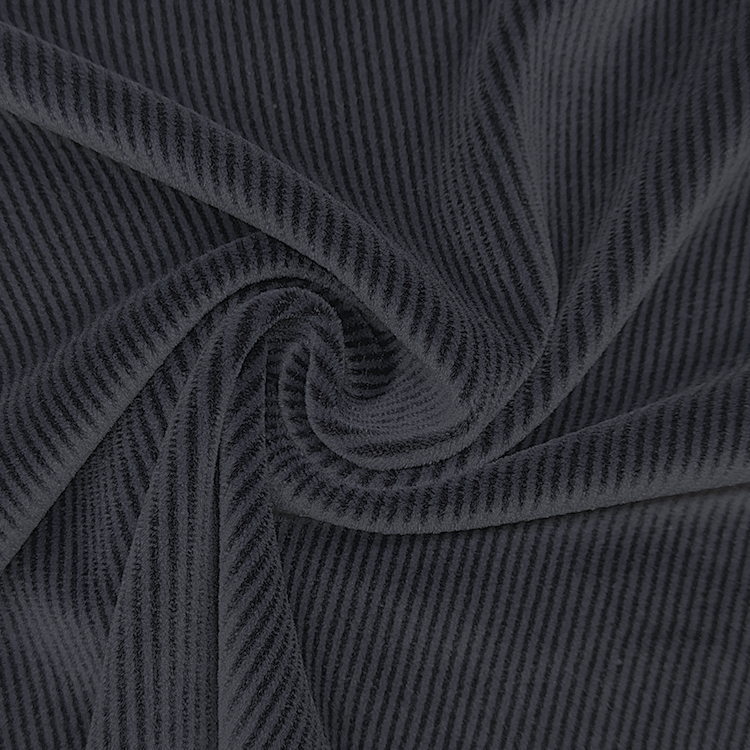
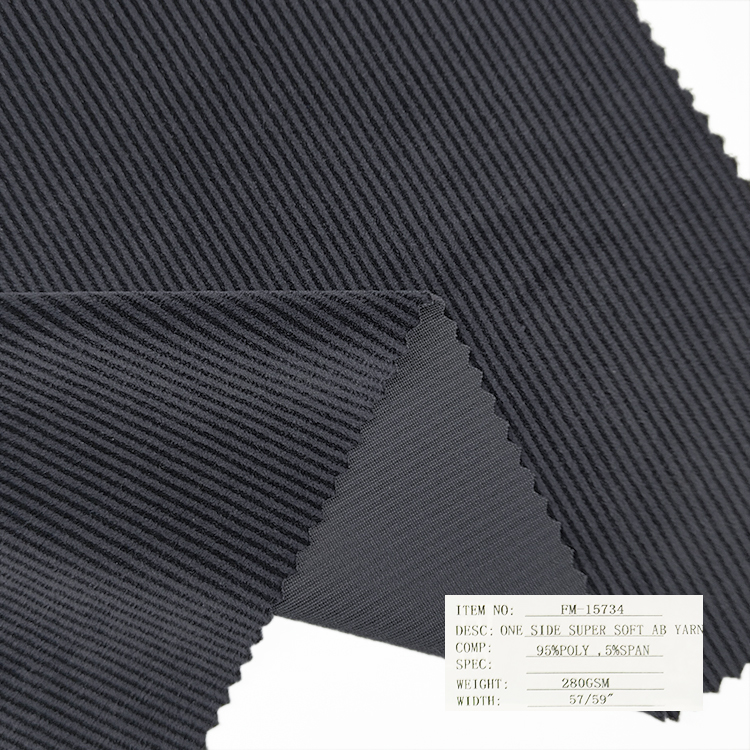
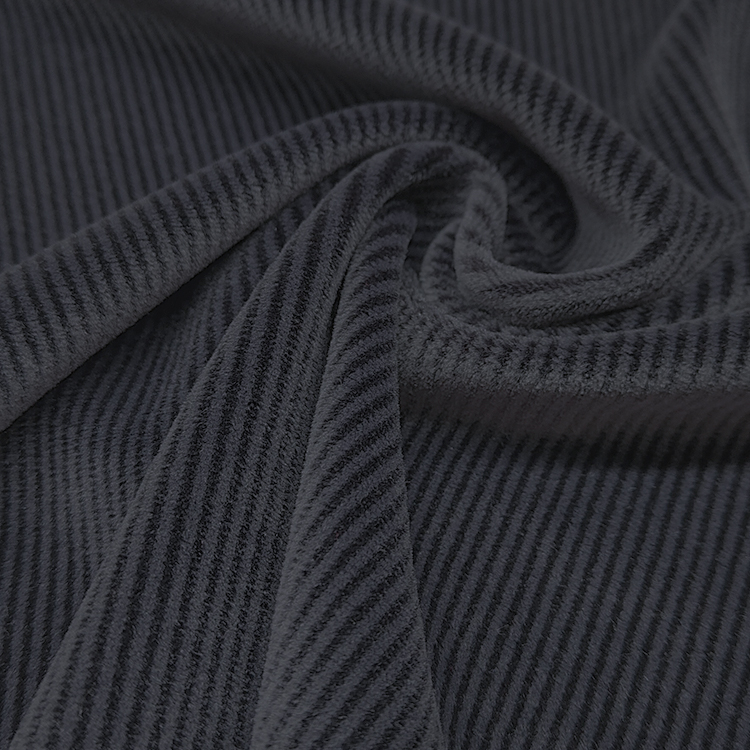
velvet fabric
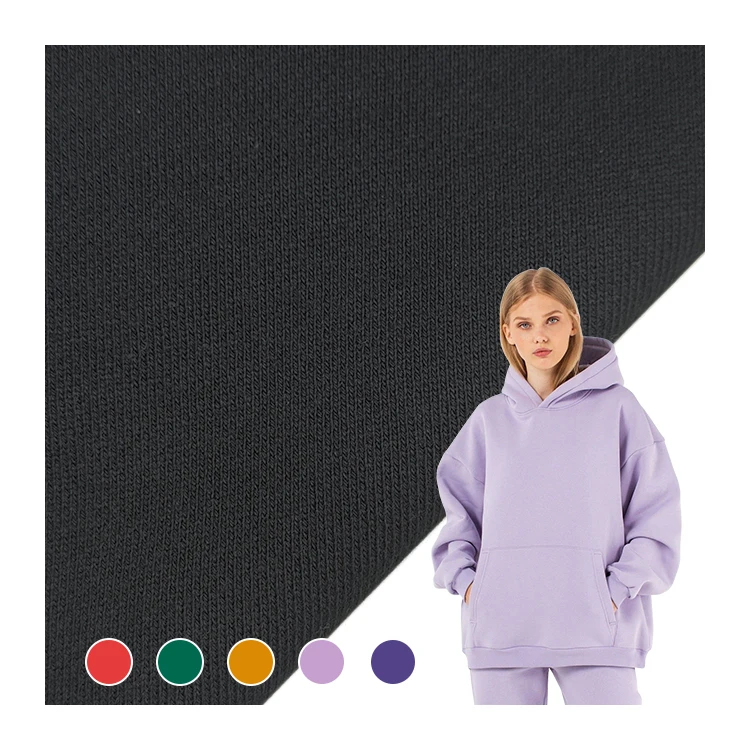
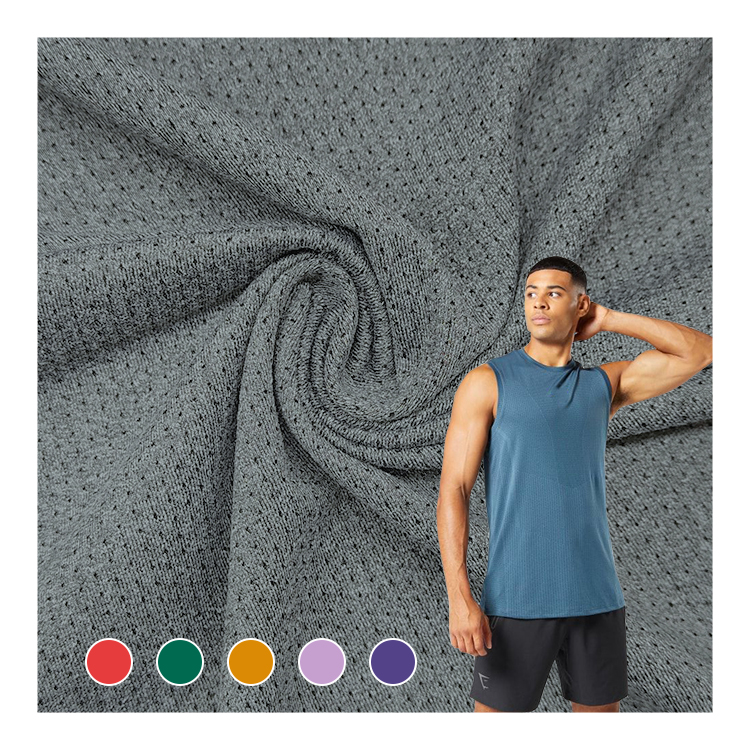
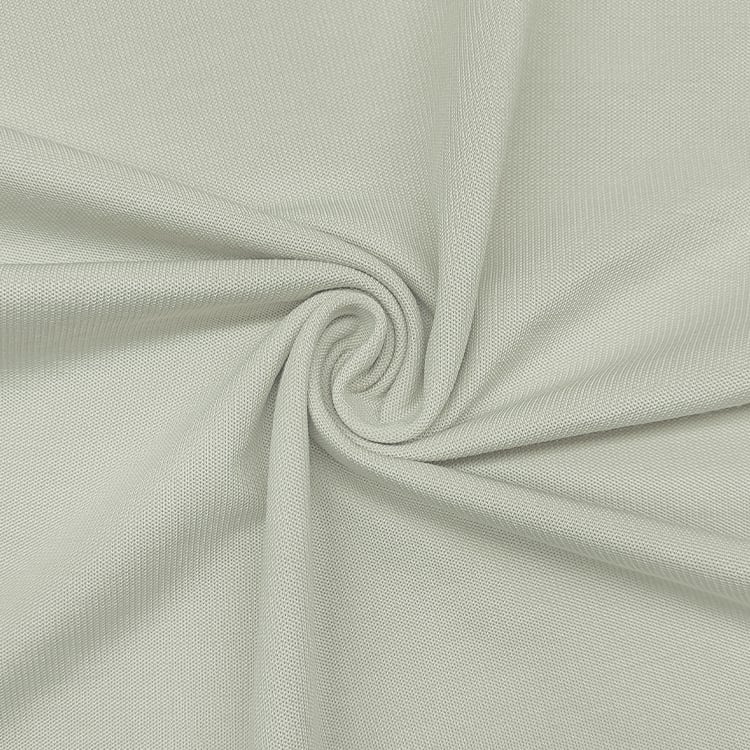
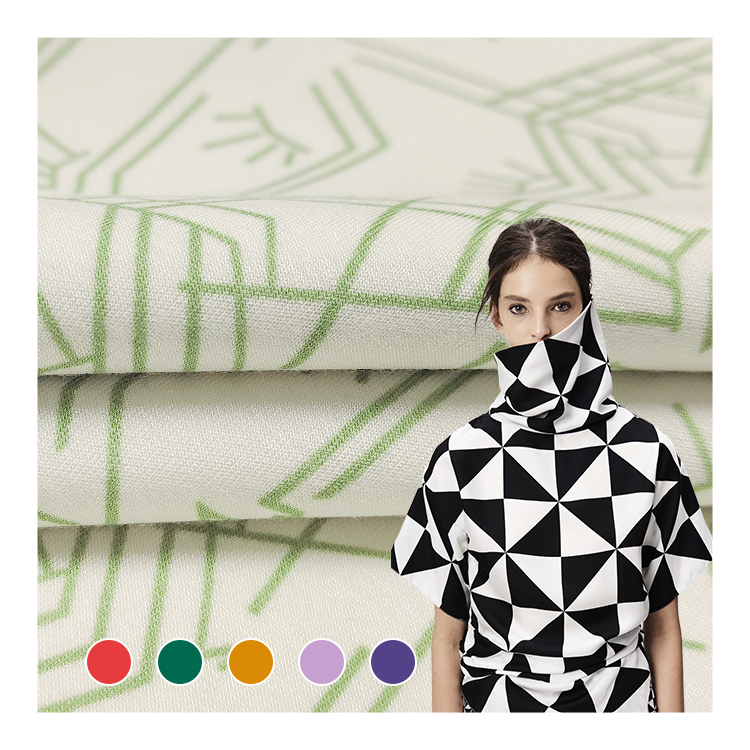
Velvet fabric stands as one of the most luxurious and recognizable textiles in the world, celebrated for its distinctive soft pile and lustrous appearance. This premium material features a unique construction where short, dense fibers are evenly distributed across the surface, creating its signature plush texture. Velvet fabric is produced through a specialized weaving process that involves two layers of fabric woven simultaneously, which are then cut apart to form the characteristic pile. The main functions of velvet fabric include providing exceptional comfort, enhancing aesthetic appeal, and offering moderate insulation properties. Technologically, velvet fabric can be manufactured from various fiber compositions including silk, cotton, polyester, and blended materials, each offering distinct performance characteristics. Modern production techniques have advanced significantly, allowing manufacturers to create velvet fabric with improved durability, colorfastness, and easier maintenance requirements. The applications of velvet fabric span across multiple industries and purposes. In fashion and apparel, designers utilize velvet fabric for evening wear, jackets, and accessories that demand elegance. Interior designers frequently specify velvet fabric for upholstery projects, curtains, cushions, and decorative elements that require both visual impact and tactile pleasure. The theatrical and entertainment industries rely on velvet fabric for costumes and stage drapery due to its rich appearance under lighting. Additionally, velvet fabric serves automotive and commercial applications where premium finishing touches are essential for conveying quality and sophistication.

 EN
EN