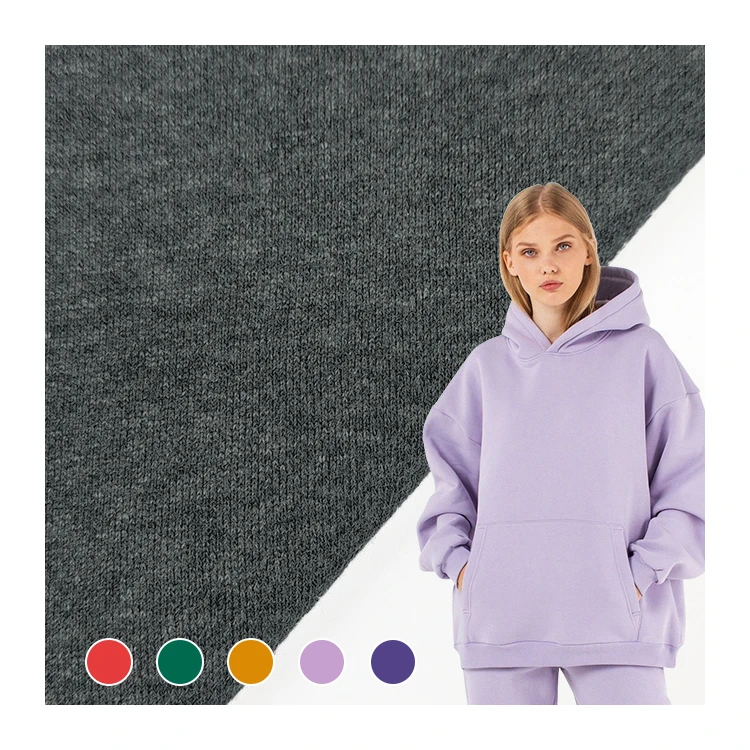
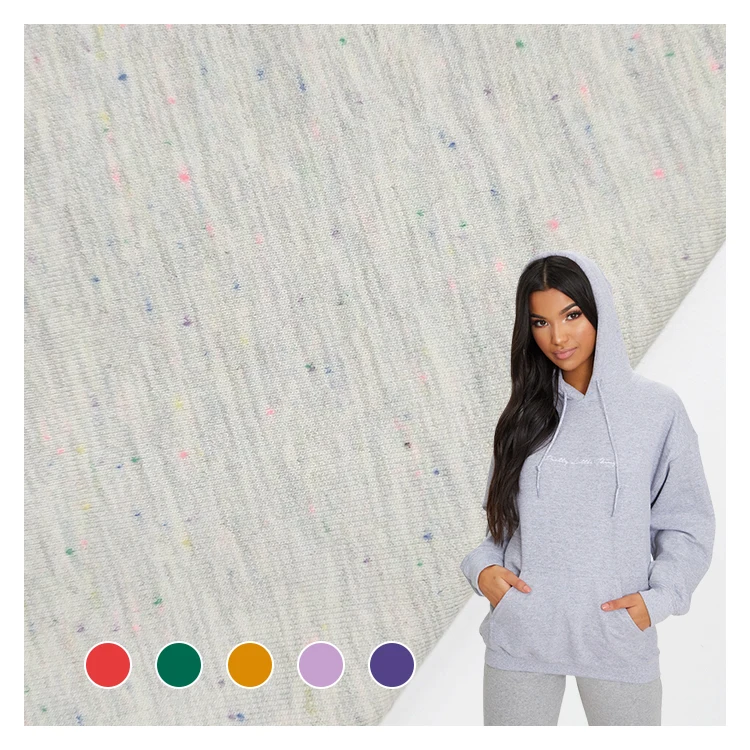
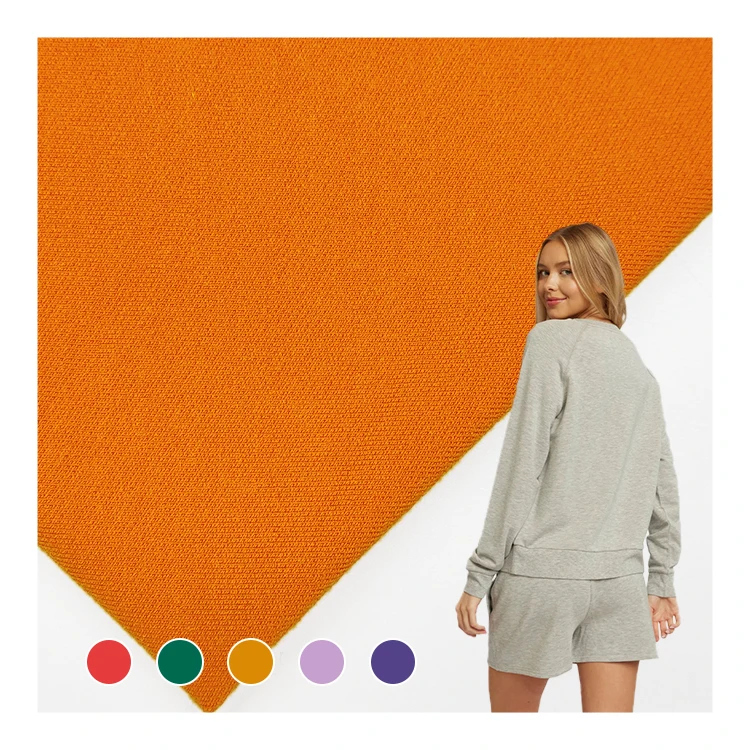
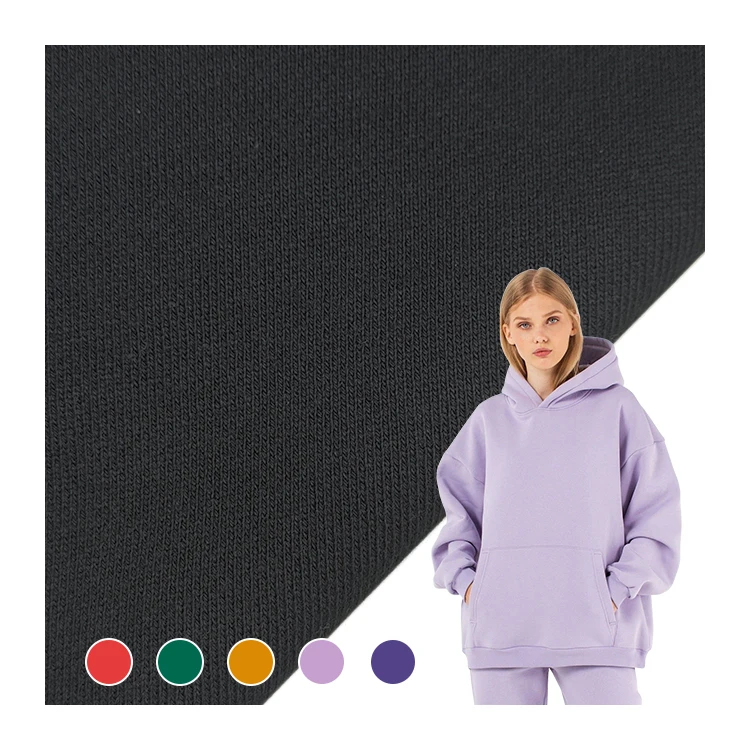
Pique Fabric Types: Features & Applications

Get a Free Quote

Our representative will contact you soon.
Email
Name
Company Name
Message
0/1000

pique fabric types

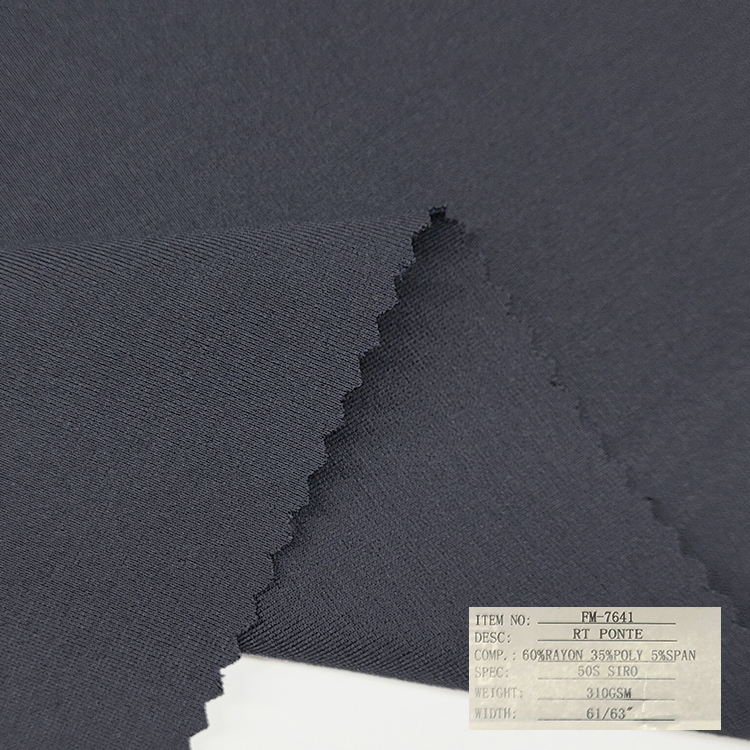
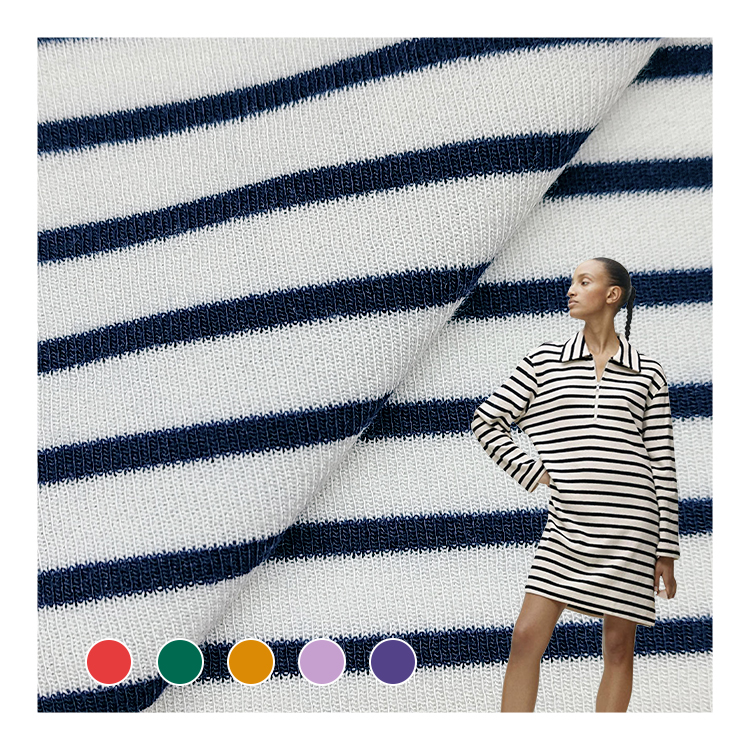
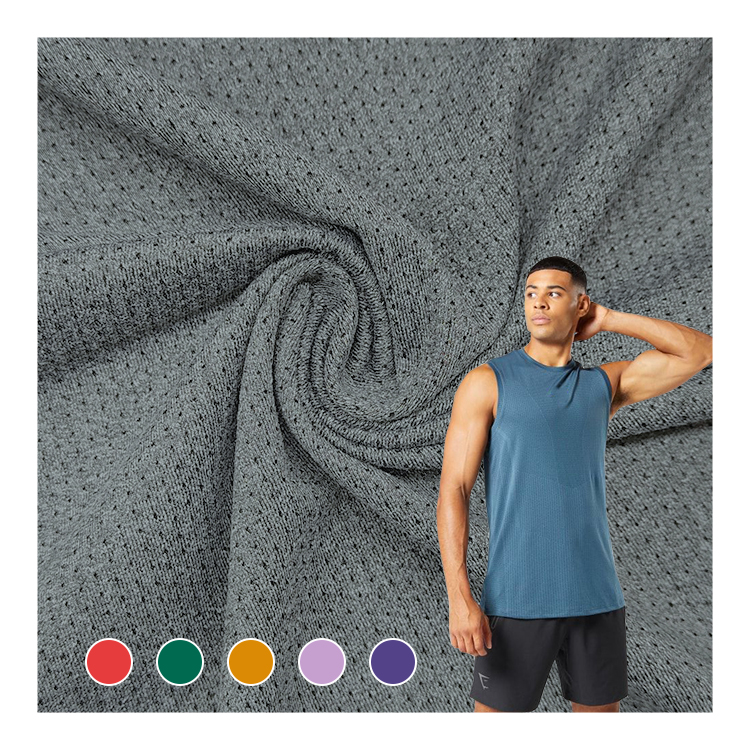
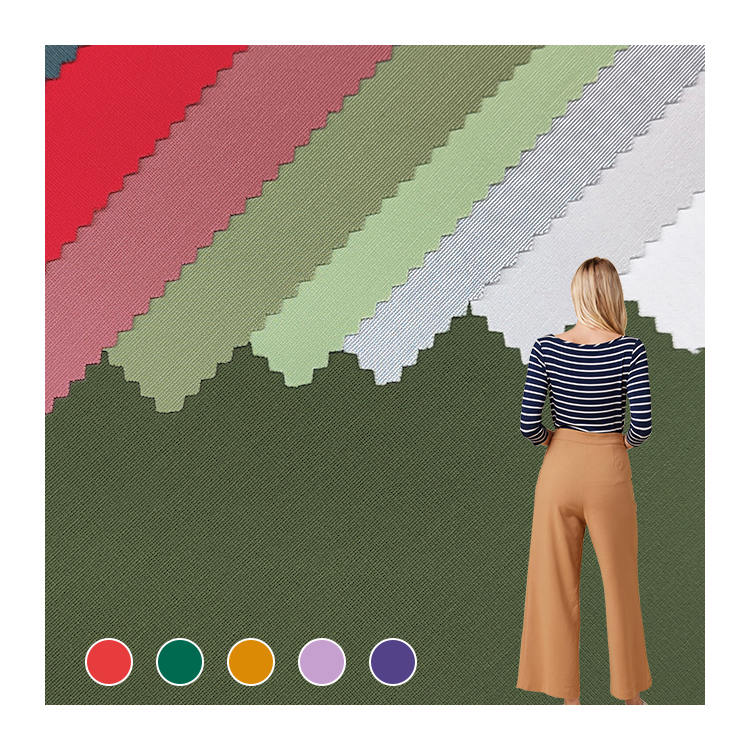
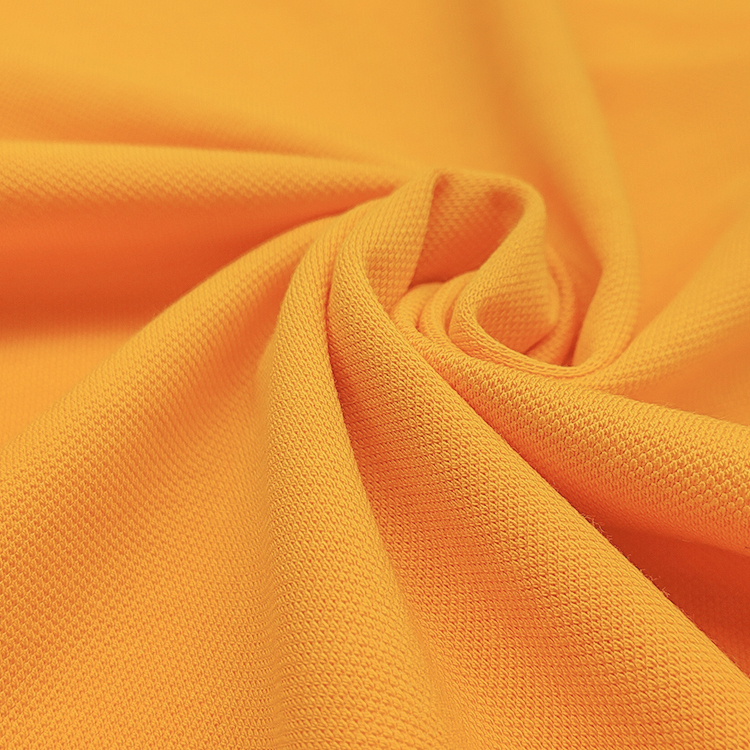
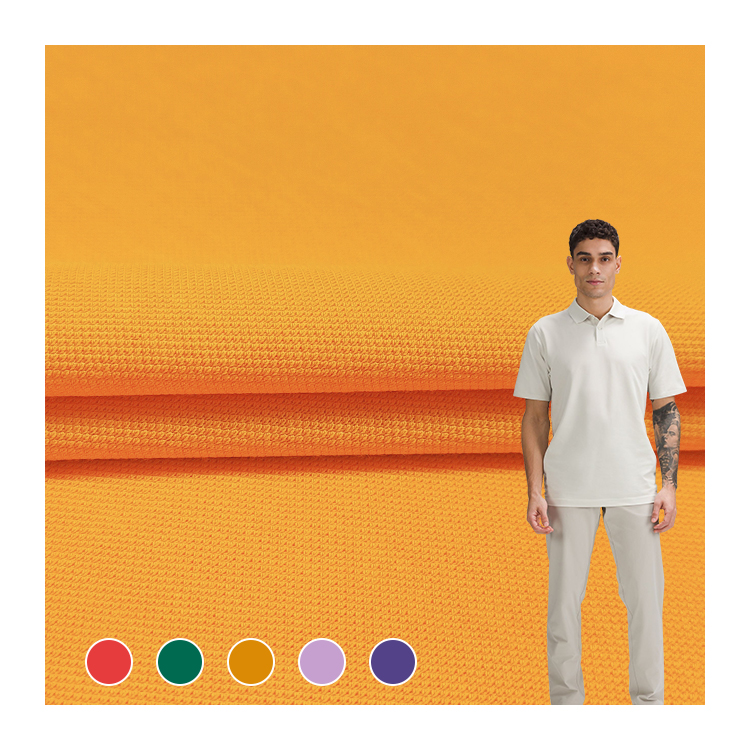
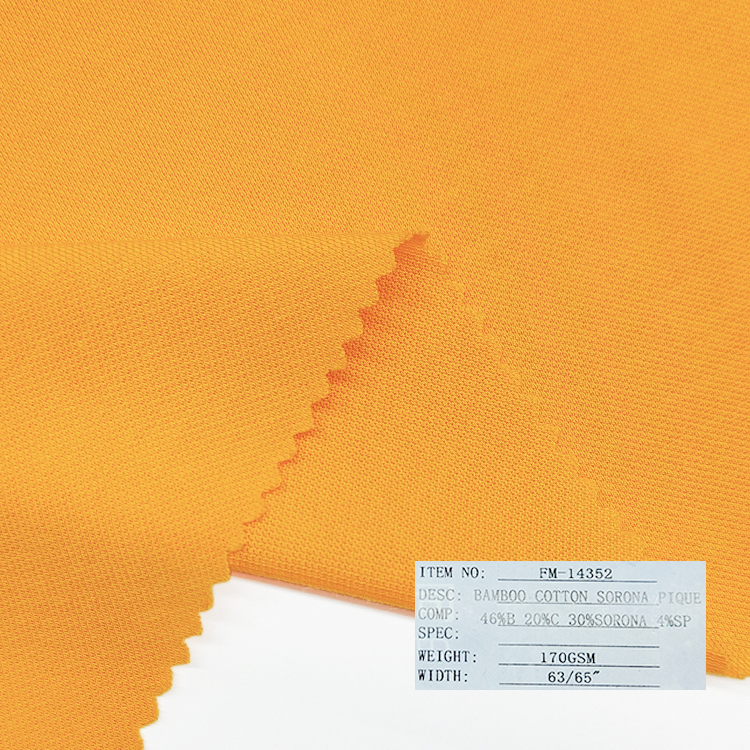
Pique fabric types represent a distinctive category of textured knit materials characterized by their raised geometric patterns and breathable construction. These versatile fabrics feature a unique weaving technique that creates small, evenly distributed surface relief patterns, typically in diamond, honeycomb, or waffle configurations. The most recognizable pique fabric types include cotton pique, birdeye pique, waffle pique, and honeycomb pique, each offering distinct visual and tactile properties. The manufacturing process involves specialized knitting machines that interlace yarns to form raised cords running in warp and weft directions, creating the signature textured appearance. This construction method delivers exceptional dimensional stability, enhanced breathability, and superior moisture management compared to standard knit fabrics. Pique fabric types find extensive applications across apparel, home textiles, and technical textile sectors. In clothing, they are predominantly used for polo shirts, tennis wear, casual sportswear, and children's garments where comfort and durability are essential. The fabric's natural texture provides excellent air circulation while maintaining shape retention through repeated wear and washing. Home textile applications include towels, bathrobes, bedspreads, and decorative pillow covers that benefit from the fabric's absorbent qualities and visual interest. Technical applications extend to medical textiles and performance sportswear where moisture-wicking properties are critical. The technological features of pique fabric types include their self-patterned surface that requires no additional printing, inherent stretch recovery, and resistance to pilling and snagging, making them ideal for both functional and aesthetic purposes.

Popular Products

Choosing pique fabric types delivers substantial practical benefits that directly impact product performance and customer satisfaction. The raised texture inherent to these fabrics creates natural air pockets that promote continuous ventilation, keeping wearers cooler and more comfortable during physical activity or warm weather conditions. This breathability advantage translates to reduced perspiration buildup and enhanced all-day wearability, particularly valuable for athletic apparel and summer clothing lines. The structured construction of pique fabric types provides excellent shape retention, meaning garments maintain their original fit and appearance even after numerous wash cycles. This durability factor offers significant value to buyers seeking long-lasting wardrobe investments rather than disposable fashion items. The fabric's natural texture effectively conceals minor wrinkles and imperfections, reducing the need for frequent ironing and simplifying garment care routines for busy consumers. Operationally, manufacturers benefit from the self-patterned nature of pique fabric types, which eliminates additional printing or embossing processes, reducing production costs and environmental impact. The fabric's stable structure facilitates easier cutting and sewing operations, improving production efficiency and reducing material waste. From an application perspective, pique fabric types demonstrate remarkable versatility across multiple market segments. Their professional appearance suits corporate casual wear and uniforms, while their comfort properties make them equally appropriate for children's play clothes and leisure wear. The absorbent qualities of cotton-based pique fabric types make them particularly suitable for toweling products and spa textiles. Decision-makers appreciate that pique fabric types offer a proven track record of consumer acceptance, particularly in the polo shirt category where the fabric has become synonymous with quality and classic style. The fabric's ability to accept embroidery and screen printing without distortion adds further commercial value for branded merchandise and promotional apparel applications.

Latest News

Best Sportswear Fabric Types: Performance & Comfort

30

Jun

Best Sportswear Fabric Types: Performance & Comfort

Selecting the right sportswear fabric can dramatically influence athletic performance, comfort during intense workouts, and the overall durability of activewear. Modern sportswear fabric technology has evolved beyond simple cotton blends to incorpora...
View More
Recycled Polyester Fabric vs Cotton: Which Wins?

30

Jun

Recycled Polyester Fabric vs Cotton: Which Wins?

When choosing between recycled polyester fabric and cotton, buyers face a decision that affects product performance, environmental impact, and long-term cost. Both materials carry strong reputations in the textile industry, but they serve different n...
View More
Loungewear Fabric Care: Maintain Softness Forever

30

Jun

Loungewear Fabric Care: Maintain Softness Forever

Keeping your loungewear fabric soft over time is not a matter of luck — it is a result of consistent, informed care. Every loungewear fabric has a unique fiber structure, and the way you wash, dry, and store each piece directly determines how l...
View More
Premium Loungewear Fabric Shopping Guide & Tips

30

Jun

Premium Loungewear Fabric Shopping Guide & Tips

Choosing the right loungewear fabric is one of the most important decisions any apparel brand, retailer, or designer makes when developing a comfortable clothing line. Loungewear fabric directly affects how garments feel against the skin, how they pe...
View More

Get a Free Quote

Our representative will contact you soon.
Email
Name
Company Name
Message
0/1000

pique fabric types

Superior Moisture Management and Breathability

Superior Moisture Management and Breathability

The distinctive construction of pique fabric types creates an advanced moisture management system that sets them apart from conventional knit materials. The raised geometric patterns form microscopic channels across the fabric surface that actively facilitate air circulation and accelerate moisture evaporation. When perspiration occurs, these textured surfaces increase the fabric's contact area with air, enabling faster moisture dispersion away from the skin. This technological advantage keeps wearers significantly drier and more comfortable compared to flat knit alternatives. The three-dimensional structure prevents fabric from clinging to skin during humid conditions or intense physical activity, maintaining a comfortable microclimate between garment and body. For athletic and activewear applications, this feature directly enhances performance by regulating body temperature and reducing discomfort from moisture accumulation. Consumers investing in pique fabric types benefit from garments that remain fresh-feeling throughout extended wear periods, reducing the frequency of clothing changes during active days. This breathability characteristic also contributes to improved garment hygiene by discouraging bacterial growth associated with trapped moisture. The practical value extends beyond sportswear to everyday casual garments, making pique fabric types an intelligent choice for warm climate regions and year-round comfort.
Exceptional Durability and Shape Retention

Exceptional Durability and Shape Retention

Pique fabric types deliver outstanding longevity through their engineered knit structure that resists common fabric deterioration issues. The interlocking yarn configuration creates a mechanically stable textile that maintains dimensional integrity through countless wear and launder cycles. Unlike jersey knits that may stretch out or lose shape over time, pique fabric types return to their original dimensions due to inherent elastic recovery properties built into the weave pattern. This shape retention quality proves particularly valuable for fitted garments like polo shirts and structured casual wear where silhouette preservation directly impacts appearance and professional presentation. The raised texture construction also provides inherent resistance to pilling, snagging, and surface abrasion that typically plague smoother knit fabrics. Garments made from pique fabric types maintain their crisp, textured appearance far longer than comparable alternatives, offering superior return on investment for quality-conscious consumers. The fabric's stability simplifies garment care by reducing shrinkage concerns and maintaining color vibrancy through repeated washing. For commercial applications such as uniforms and hospitality textiles, this durability translates to lower replacement costs and extended service life. Buyers selecting pique fabric types make a sustainable choice that reduces textile waste while enjoying consistently attractive garments that resist the visual aging common in lesser fabric constructions.
Versatile Aesthetic Appeal and Functional Elegance

Versatile Aesthetic Appeal and Functional Elegance

Pique fabric types occupy a unique position in textile design by simultaneously delivering refined visual sophistication and practical functionality. The subtle surface texture creates visual depth and tactile interest without requiring printed patterns or embellishments, resulting in timeless garments that transcend seasonal fashion trends. This inherent texture-based aesthetic allows pique fabric types to maintain a polished appearance appropriate for smart-casual and business-casual dress codes while remaining comfortable enough for leisure activities. The clean, structured look naturally elevates basic garment designs, making simple polo shirts and casual pieces appear more refined and intentional. For brands and retailers, this versatility enables broader market positioning, as products crafted from pique fabric types appeal to diverse consumer segments from fashion-conscious professionals to active lifestyle enthusiasts. The fabric's texture provides an ideal surface for embroidery, heat transfer, and screen printing applications, making it particularly valuable for corporate branding, team uniforms, and promotional merchandise where logo presentation quality matters. Unlike heavily textured fabrics that can compete with decorative elements, the moderate relief of pique fabric types complements applied designs while adding dimensional interest. This combination of understated elegance and practical performance makes pique fabric types a strategic choice for product developers seeking fabrics that deliver both immediate visual appeal and long-term functional satisfaction across multiple application categories.

Get a Free Quote

Our representative will contact you soon.
Email
Name
Company Name
Message
0/1000