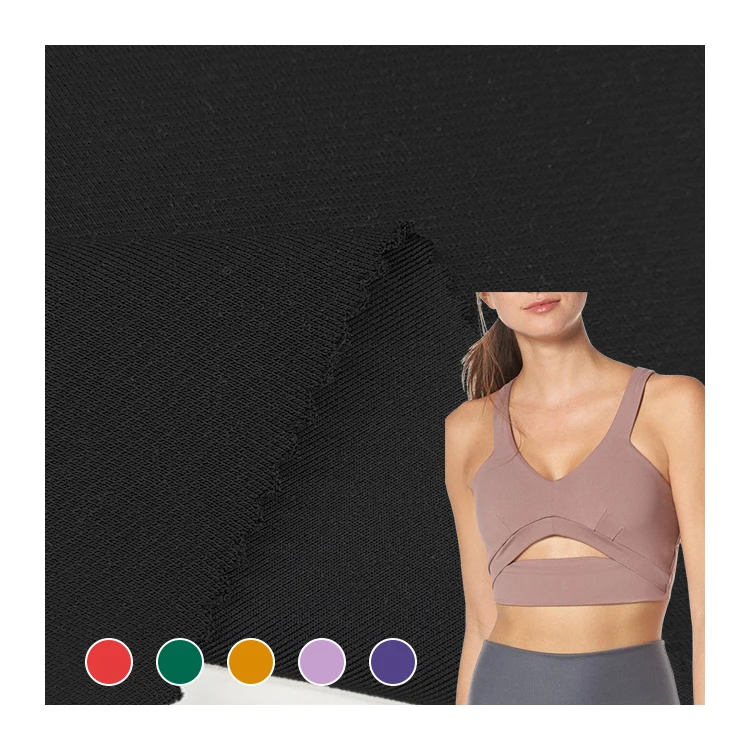
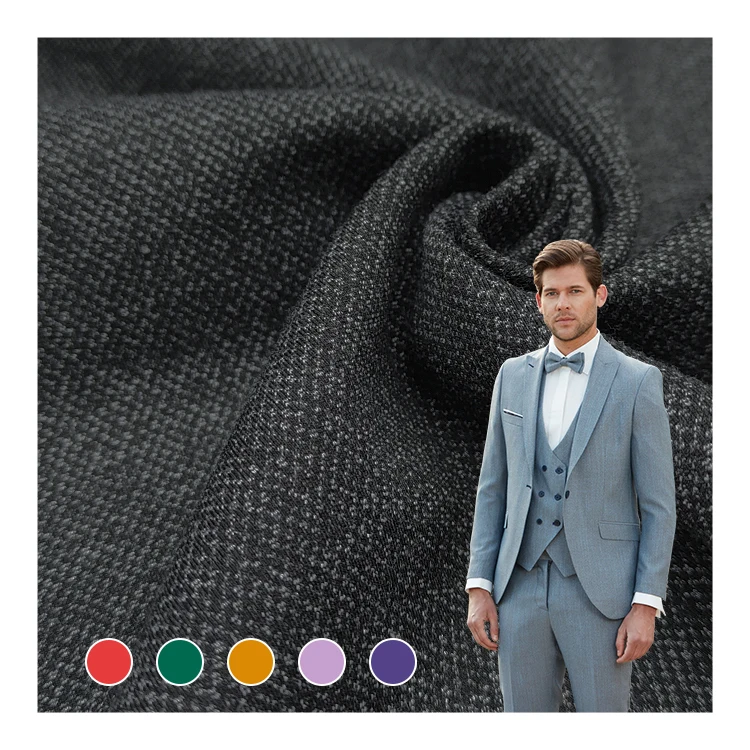
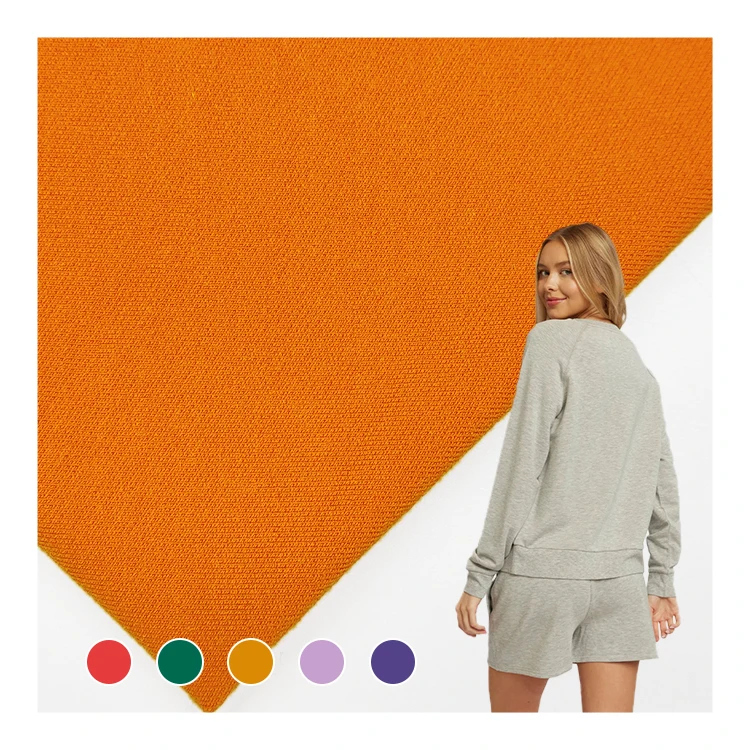
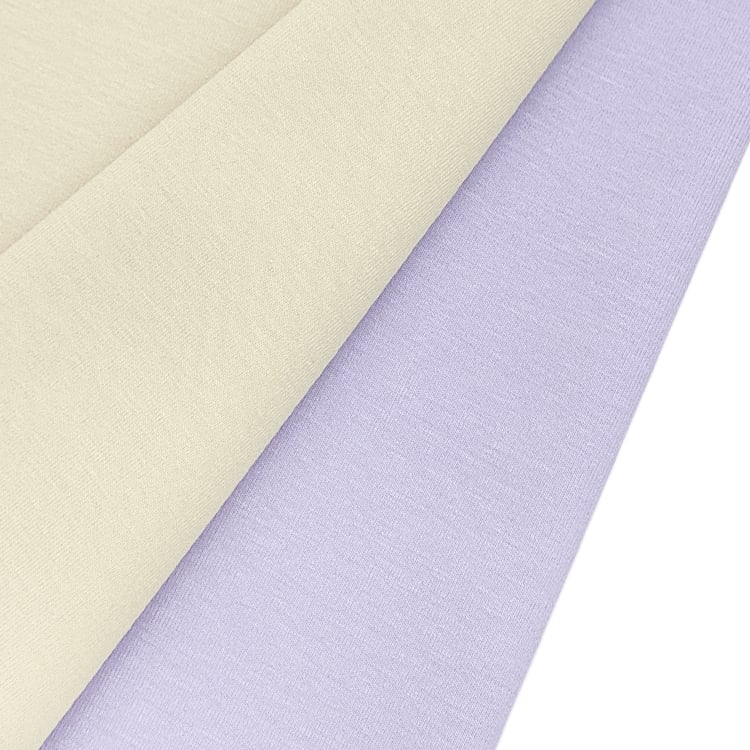
knit fabric
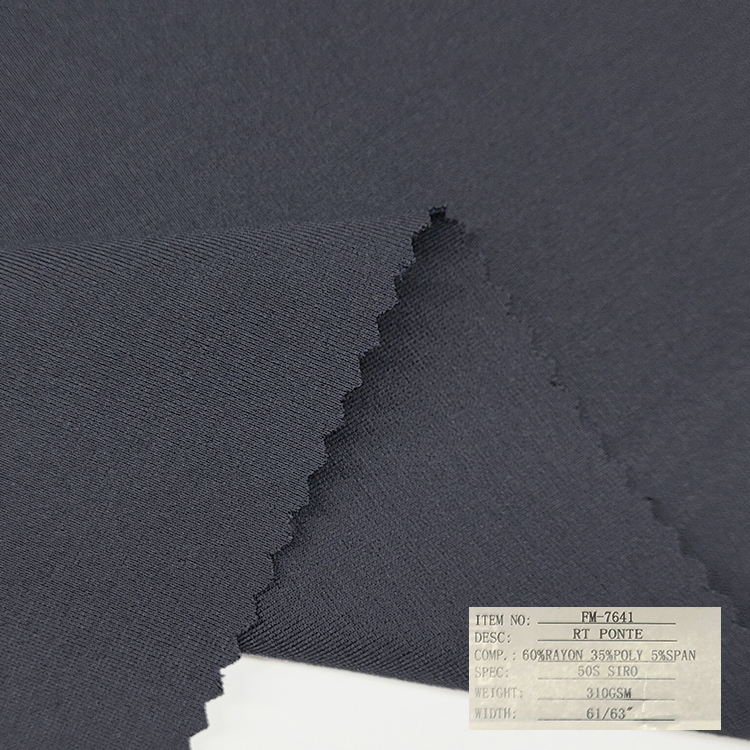
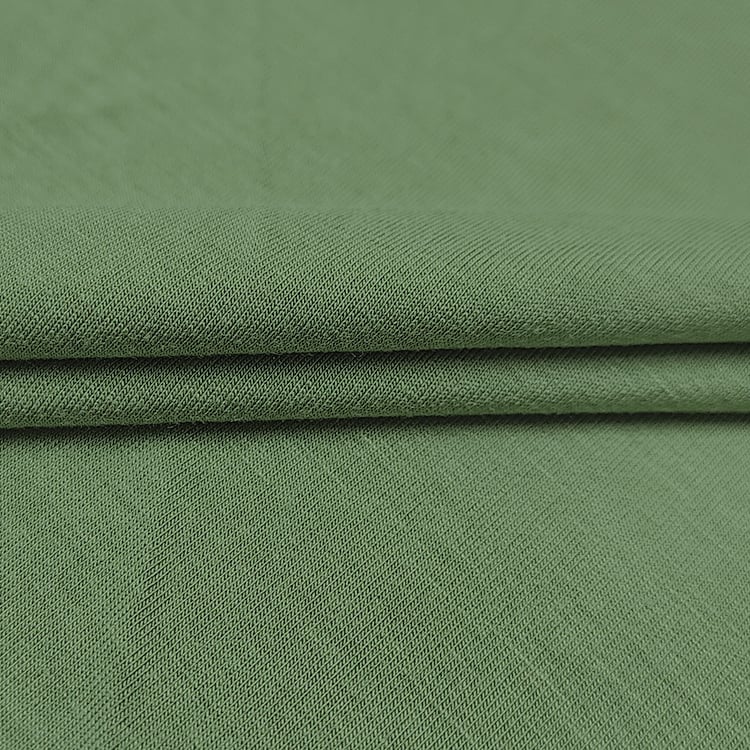
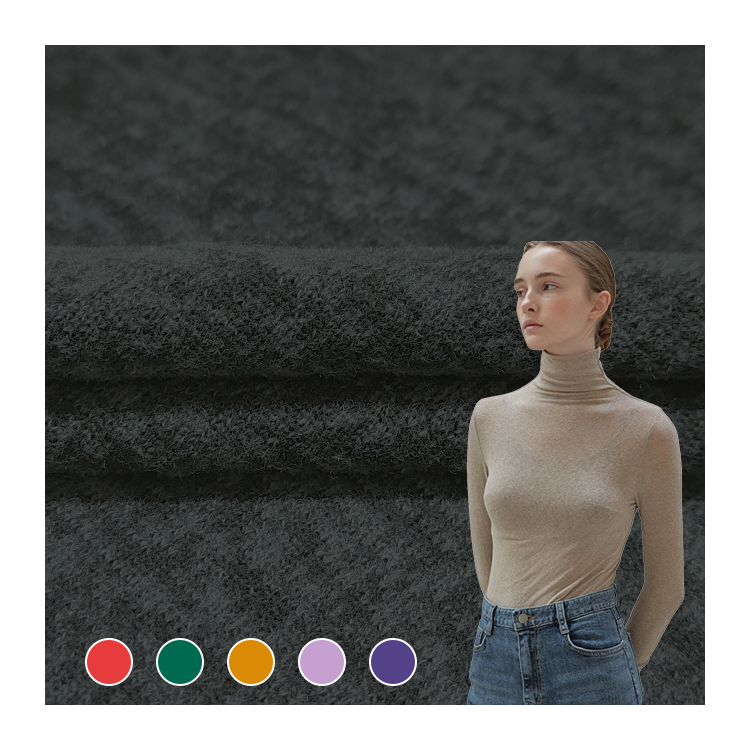
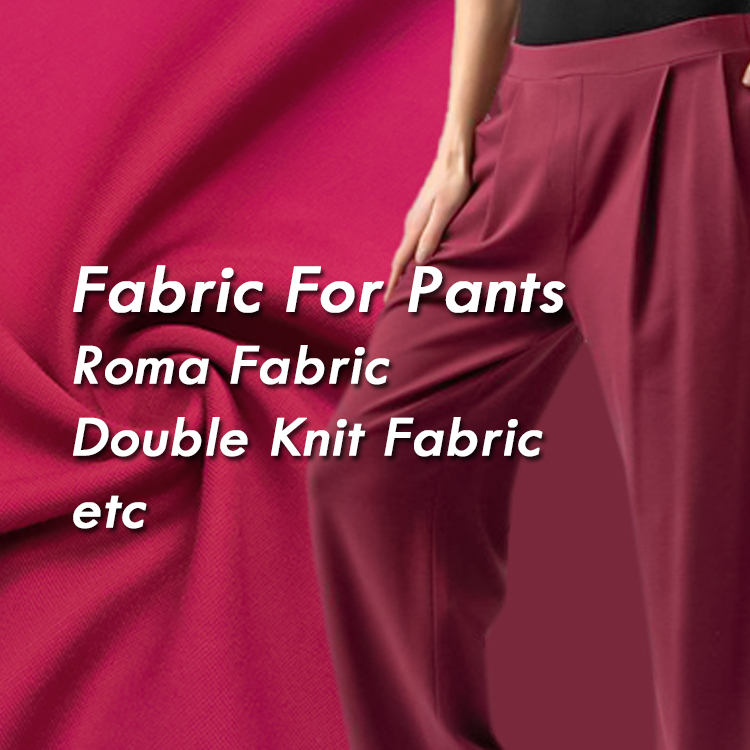
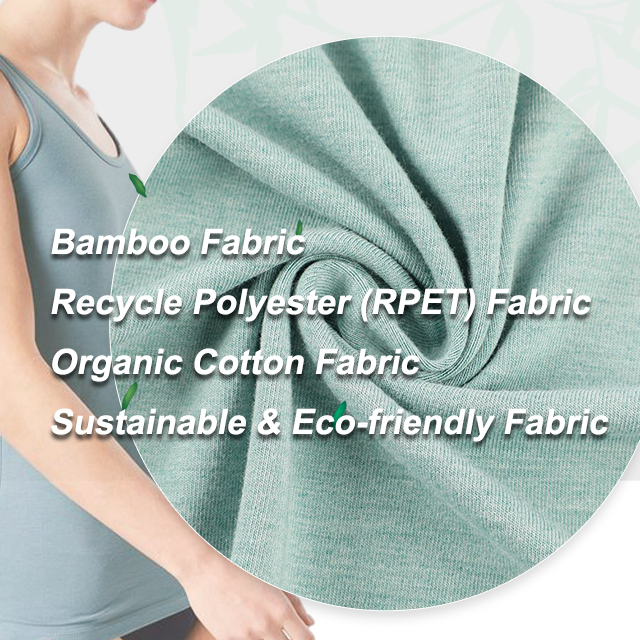
Knit fabric represents one of the most versatile and widely used textile materials in modern manufacturing, created through interlocking loops of yarn in a continuous process. Unlike woven fabrics that use perpendicular threads, knit fabric construction allows for exceptional flexibility and comfort. This textile category encompasses various knitting techniques, including weft knitting and warp knitting, each producing distinct characteristics suitable for different applications. The main functions of knit fabric include providing superior stretch and recovery, excellent breathability, and comfortable fit for garments and textiles. Technological features of knit fabric involve advanced knitting machinery that can produce complex patterns, textures, and structures with precise control over density, elasticity, and thickness. Modern knit fabric manufacturing incorporates innovative fiber blends, moisture-wicking technologies, and performance enhancements that expand its functionality beyond traditional uses. Applications of knit fabric span multiple industries, from fashion and sportswear to medical textiles and technical applications. The garment industry relies heavily on knit fabric for t-shirts, underwear, activewear, and casual clothing due to its comfort and movement capabilities. Beyond apparel, knit fabric serves industrial purposes in automotive interiors, home furnishings, and specialized technical textiles. The material's inherent properties make it ideal for items requiring flexibility, such as hosiery, swimwear, and performance athletic wear. Understanding knit fabric characteristics helps manufacturers and consumers select appropriate materials for specific end-uses, ensuring optimal performance and satisfaction.

 EN
EN