
 EN
EN



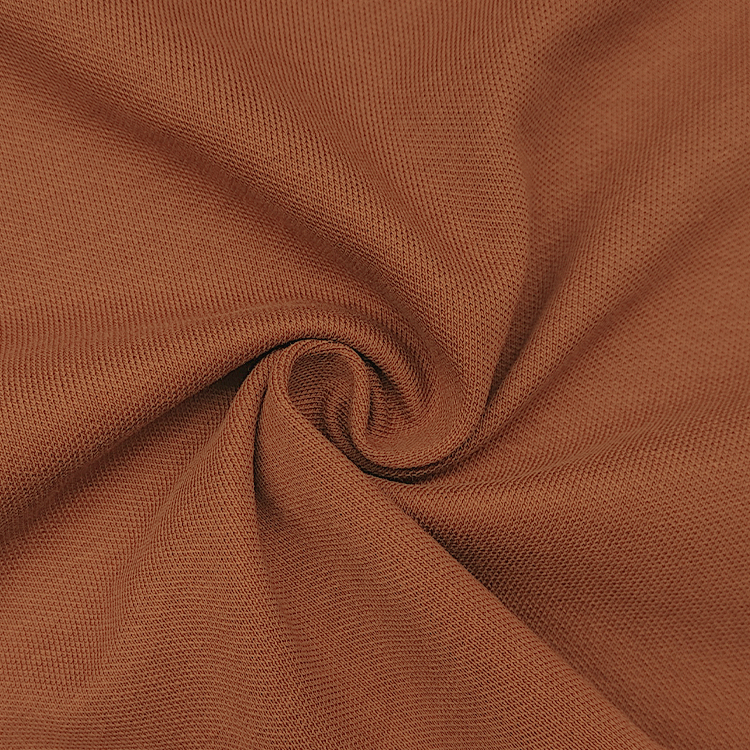
Interlock fabric stands as one of the most versatile and durable knit textiles used across apparel manufacturing today. If you're new to textiles or exploring fabric options for your next project, understanding interlock fabric is essential. This complete beginner's guide breaks down everything you need to know about interlock fabric, from its fundamental structure to its practical applications in modern clothing production. Whether you're sourcing materials for athletic wear, casual garments, or performance clothing, interlock fabric delivers consistent quality, comfort, and longevity that make it a top choice for manufacturers and designers worldwide.
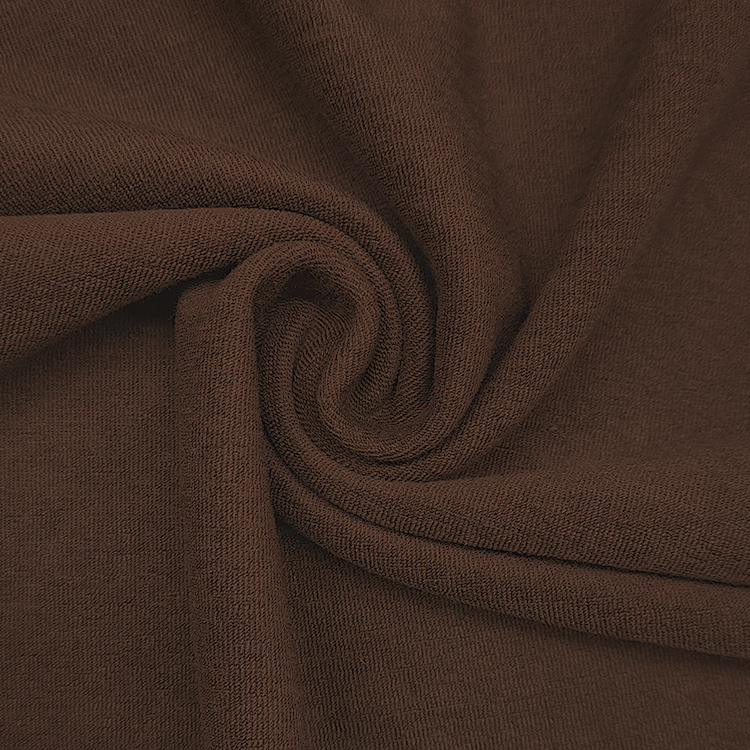
The demand for interlock fabric continues to grow as brands recognize its superior performance characteristics and cost-effectiveness. Interlock fabric offers exceptional stretch recovery, durability, and comfort properties that outperform many alternative knit fabrics in competitive markets. Understanding the core attributes of interlock fabric helps manufacturers make informed decisions about material sourcing, production planning, and quality standards. This guide provides the knowledge you need to evaluate interlock fabric options, assess suitability for specific applications, and optimize your sourcing strategy based on technical performance and market requirements.
Understanding Interlock Fabric Structure and Composition
What Makes Interlock Fabric Unique in Knit Construction
Interlock fabric belongs to the family of double-knit textiles, distinguished by its unique two-sided construction that delivers uniform appearance and performance on both surfaces. Unlike single-knit fabrics, interlock fabric features two layers of yarn loops that interlock with each other in a specific pattern, creating a dense, stable structure. This interlocking mechanism gives interlock fabric its signature stability and prevents curling at the edges, a common problem with single-knit materials. The construction process for interlock fabric requires specialized knitting machinery that simultaneously creates loops on two sides, making it more structurally complex than basic knit fabrics. The density and weight of interlock fabric can be adjusted during production by modifying yarn composition, loop size, and knitting tension, allowing manufacturers to customize interlock fabric for different end-use applications.
Raw Materials and Yarn Selection for Interlock Fabric
Interlock fabric is commonly produced using natural fibers like cotton, synthetic materials such as polyester and nylon, or blended combinations designed for specific performance outcomes. Cotton-based interlock fabric offers breathability and comfort, making it popular for everyday wear and activewear applications. Polyester interlock fabric provides enhanced durability, wrinkle resistance, and moisture-wicking properties that appeal to athletic and performance-focused brands. Nylon interlock fabric combines strength with elasticity, delivering superior stretch recovery that makes interlock fabric ideal for yoga wear, swim apparel, and fitness clothing. High-stretch interlock fabric formulations incorporate elastane or spandex fibers alongside primary yarns, creating interlock fabric with exceptional recovery properties and comfortable all-day wearability. The choice of raw materials fundamentally shapes the performance characteristics, price point, and market positioning of interlock fabric products.
Key Properties and Performance Benefits of Interlock Fabric
Durability, Stretch, and Recovery in Interlock Fabric
The hallmark advantage of interlock fabric lies in its exceptional durability combined with superior stretch and recovery capabilities. Interlock fabric resists pilling, snagging, and premature wear better than many single-knit alternatives, extending garment lifespan and supporting brand reputation. The dense structure of interlock fabric distributes stress evenly across yarn loops, preventing concentrated strain points that lead to tears or runs. Stretch recovery in quality interlock fabric remains consistent even after multiple washing and wearing cycles, maintaining garment shape and fit integrity throughout the product lifecycle. High-stretch interlock fabric formulations with elastane deliver 20–30% stretch capacity while maintaining recovery to original dimensions, a critical requirement for athletic and performance applications. This combination of durability and elasticity positions interlock fabric as the preferred choice for demanding use cases where garment reliability and consistent performance matter most.
Comfort, Breathability, and Moisture Management
Interlock fabric provides excellent comfort characteristics that translate directly into customer satisfaction and brand loyalty. The smooth, uniform surface of interlock fabric minimizes friction against skin, reducing irritation during extended wear periods common in athletic and occupational contexts. Breathability in interlock fabric depends on fiber composition and knit density, with cotton-rich blends offering superior air circulation while polyester and nylon variants excel in moisture-wicking performance. Moisture management through interlock fabric involves both fiber absorption properties and capillary action within the knit structure, rapidly moving sweat away from skin surfaces. The thermal regulation properties of interlock fabric make it suitable across seasons and climates, adapting to different environmental conditions without compromising wearer comfort. These combined comfort factors explain why interlock fabric dominates the yoga wear, fitness apparel, and activewear segments globally.
Applications and Market Positioning of Interlock Fabric
Athletic Wear and Performance Apparel Uses
Interlock fabric has become the industry standard for athletic wear production, where performance demands exceed typical casual clothing requirements. Yoga wear manufacturers prefer interlock fabric for its four-way stretch capacity and ability to maintain fit integrity during dynamic movements and positions. Swimming and water sports apparel utilizes quick-drying interlock fabric formulations that resist degradation from chlorine exposure and saltwater environments. Fitness apparel brands leverage high-stretch interlock fabric to create compression wear and performance layers that support athletic movement while providing flattering silhouettes. Dance wear, martial arts uniforms, and sports training garments all benefit from the durability, comfort, and stretch properties that define quality interlock fabric. The performance-driven market segment continues expanding, driving increased demand for interlock fabric innovations and specialty formulations designed for emerging sport and wellness categories.
Casual and Everyday Applications for Interlock Fabric
Beyond athletic applications, interlock fabric serves the broader casual wear market where comfort, durability, and aesthetic appeal converge. Children's clothing manufacturers select interlock fabric for its safety characteristics, durability through multiple wash cycles, and comfortable fit that supports active childhood development. Loungewear and casual basics utilize interlock fabric to deliver comfort-forward products that appeal to work-from-home and lifestyle-conscious consumer segments. Undergarments and intimate apparel rely on interlock fabric for its smooth surface, stretch properties, and dimensional stability through laundering. The versatility of interlock fabric allows designers to create garments ranging from basic t-shirts to complex layered pieces, supporting diverse brand positioning and market segments. Quality interlock fabric enables price-conscious consumers to access durable, comfortable products while maintaining acceptable profit margins for manufacturers navigating competitive retail environments.
Technical Specifications and Quality Considerations
Weight Categories and Thickness Standards
Interlock fabric comes in multiple weight categories, typically ranging from lightweight at 150–200 grams per square meter to heavyweight formulations exceeding 300 grams per square meter. Lightweight interlock fabric suits warm-weather applications, layering pieces, and form-fitting garments where bulk must be minimized. Mid-weight interlock fabric represents the most versatile category, suitable for year-round wear across diverse applications and climates. Heavyweight interlock fabric provides structure, opacity, and dimensional stability preferred for outerwear, structured pieces, and professional apparel contexts. Understanding weight classifications helps manufacturers select interlock fabric specifications that match design intentions, performance requirements, and target market expectations. Weight selection directly impacts production costs, garment appearance, wearing properties, and perceived quality, making it a critical decision in interlock fabric sourcing.
Quality Assessment and Testing Standards
Evaluating interlock fabric quality requires attention to multiple technical parameters beyond visual inspection. Shrinkage testing ensures interlock fabric maintains dimensional stability after repeated washing at various temperatures, critical for garment fit consistency. Pilling resistance testing measures interlock fabric's susceptibility to surface fiber balling, a quality indicator valued by consumers and retailers. Color fastness evaluation confirms interlock fabric dyes maintain integrity through washing, sunlight exposure, and chlorine contact across different end-use scenarios. Tensile strength testing validates interlock fabric's ability to withstand stress without tearing or delaminating between its two layers. Elasticity and recovery testing measure the stretch performance and snap-back characteristics that define interlock fabric quality and suitability for performance applications. Comprehensive testing protocols ensure interlock fabric meets international standards and customer expectations consistently.
FAQ
What is the main difference between interlock fabric and single-knit fabric?
The primary distinction lies in construction methodology. Interlock fabric uses a double-knit structure where two layers interlock together, creating superior stability and uniform front-and-back appearance. Single-knit fabric features one continuous loop structure, which tends to curl at edges and offers less stability. Interlock fabric therefore provides better durability, dimensional stability, and a more polished finished appearance, making it preferable for most professional applications where consistency matters.
Is interlock fabric suitable for sensitive skin?
Yes, interlock fabric can be excellent for sensitive skin when manufactured from high-quality natural fibers like organic cotton. The smooth, dense surface of interlock fabric minimizes friction and irritation compared to textured knits. The breathability and moisture-management properties of quality cotton-based interlock fabric support skin health by maintaining appropriate moisture balance. However, synthetic interlock fabric formulations may cause irritation in sensitive individuals, so fiber composition selection matters significantly for this application.
How does interlock fabric compare in price to other knit fabrics?
Interlock fabric typically costs more than basic single-knit fabrics due to more complex production processes and superior performance characteristics. However, the increased durability and longevity of interlock fabric often justify the higher initial investment by reducing replacement frequency and supporting better customer satisfaction. Bulk purchasing and long-term supplier relationships can reduce interlock fabric costs, making it more competitive for manufacturers with significant volume needs. The value proposition of interlock fabric remains strong across most market segments.