
 EN
EN



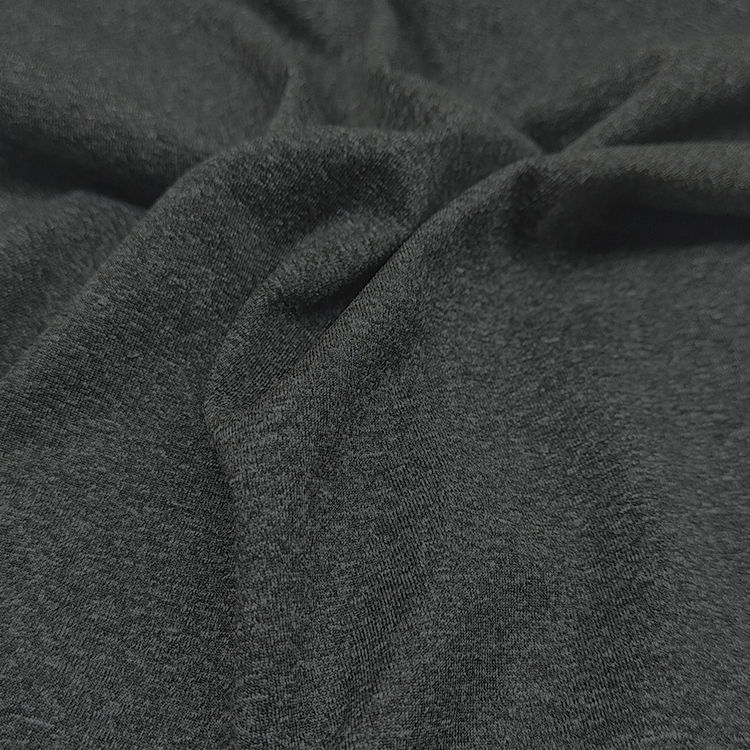
When choosing between fleece fabric and wool for cold weather protection, warmth performance remains the primary consideration for most consumers and manufacturers. Both materials have earned reputation as reliable insulators, yet they function through distinctly different mechanisms. Understanding how fleece fabric and wool compare in thermal retention, durability, maintenance, and practical application helps inform purchasing decisions across apparel, bedding, and industrial textile markets. This comparison explores the science behind each material's warmth properties and guides you toward the optimal choice for your specific needs.

The thermal performance of fleece fabric versus wool depends on fiber structure, moisture management, weight, and environmental conditions. Fleece fabric typically offers faster heat retention and superior moisture-wicking properties, making it ideal for active outdoor activities where perspiration management matters. Wool delivers exceptional insulation even when wet and provides natural flame resistance, though it requires more careful handling. Both materials have legitimate advantages in specific contexts, and the 'warmer' option ultimately depends on your use case, climate, and lifestyle requirements.
How Fleece Fabric and Wool Generate Warmth Differently
Thermal Mechanism of Fleece Fabric
Fleece fabric creates warmth through trapped air pockets within its synthetic fiber structure. Typically manufactured from polyester, fleece fabric develops a fuzzy surface that captures and holds still air, which serves as an insulator. The rib fabric construction often used in fleece garments enhances this air-trapping capability by creating consistent ridges that maximize loft and thermal resistance. Unlike natural fibers, fleece fabric does not absorb moisture, allowing sweat to move through the material rather than saturating it. This moisture-wicking property prevents the clammy feeling that occurs when wet insulation reduces heat retention effectiveness.
Thermal Mechanism of Wool
Wool generates warmth through its protein fiber crimp structure, which creates numerous air pockets throughout each fiber. The natural scales on wool fibers interlock, forming a dense matrix that traps body heat exceptionally well. Wool remains warm even when damp because the fibers absorb moisture vapor while maintaining thermal insulation, unlike fleece fabric that simply sheds water. The rib fabric construction in wool garments works similarly to synthetic options, using ribbed patterns to enhance fit and air retention. Wool's natural elasticity allows it to recover quickly after compression, maintaining consistent insulation throughout extended wear periods.
Warmth Retention and Environmental Performance
Fleece Fabric Performance in Various Conditions
Fleece fabric excels in dry, cold environments where its lightweight, quick-drying properties provide immediate warmth and comfort. The moisture-wicking characteristic makes fleece fabric ideal for active users who generate body heat through exercise or movement. In wet conditions, fleece fabric loses some insulation capability because water does not absorb into the fibers but accumulates on the surface, potentially blocking airflow. Fleece fabric garments typically weigh less than equivalent wool pieces, making them preferred for hiking, running, and layering systems. The rib fabric construction enhances breathability, preventing heat and moisture from building up during high-intensity activities while maintaining core body warmth.
Wool Performance in Various Conditions
Wool maintains remarkable thermal performance in wet, damp, and unpredictable weather because moisture absorption does not compromise insulation. Studies show wool retains approximately eighty-five percent of its insulating capacity even when saturated, whereas fleece fabric loses substantially more effectiveness when wet. Wool's natural lanolin coating provides water repellency that delays saturation, giving users extended protection before moisture penetration occurs. The rib fabric structure in wool garments allows moisture to move through the material while maintaining thermal integrity. Wool's performance makes it superior for maritime climates, high-moisture environments, and situations where staying dry is impossible.
Practical Considerations for Warmth, Durability, and Care
Weight, Packability, and Convenience with Fleece Fabric
Fleece fabric garments weigh significantly less than wool alternatives offering comparable warmth ratings, making them ideal for travelers, backpackers, and those managing load weight. The compressibility of fleece fabric allows gear bags to pack more efficiently, saving valuable space in luggage or backpacks. Washing and drying fleece fabric requires minimal effort compared to wool, with most pieces tolerating machine washing and tumble drying without damage. The rib fabric construction in fleece maintains its shape and elasticity through repeated washing cycles, ensuring long-term wearability. These convenience factors make fleece fabric the practical choice for frequent travelers and users who prioritize easy maintenance alongside thermal performance.
Durability, Longevity, and Care with Wool
Wool garments, when properly maintained, outlast fleece fabric equivalents by years or decades due to wool's natural resilience and protein structure. The rib fabric construction in wool items provides superior shape retention and resistance to stretching, even under repeated wearing and storage. Wool requires hand-washing or gentle machine cycles in cold water to prevent felting and damage, demanding more attentive care than fleece fabric. Professional dry-cleaning extends wool garment life but increases long-term ownership costs. Wool's natural fire resistance provides safety benefits that synthetic fleece fabric cannot match, making wool preferable in contexts where fire safety matters significantly.
FAQ
Does fleece fabric keep you warmer than wool?
Neither material universally keeps you warmer than the other in all situations. Fleece fabric provides superior warmth-to-weight ratio and faster heat retention in dry conditions, while wool maintains warmth better in wet or damp environments. The rib fabric construction used in both types enhances thermal performance through air trapping and insulation density. Your choice should depend on expected environmental conditions, activity level, and moisture exposure rather than assuming one material outperforms the other universally.
Can fleece fabric replace wool in cold weather gear?
Fleece fabric can replace wool effectively in cold, dry conditions and active pursuits where moisture management and lightweight properties matter. For consistently wet or maritime climates, wool remains superior because it maintains warmth when saturated. The rib fabric structure provides equivalent insulation benefits in both materials when properly constructed. Consider layering fleece fabric as a mid-layer with water-resistant outer shells, or combining both materials for maximum protection across varying conditions.
Which material lasts longer between fleece fabric and wool?
Wool garments typically outlast fleece fabric pieces when both receive appropriate care, often providing decades of reliable service. Fleece fabric degrades through UV exposure, heat damage, and pilling after several years of regular use, though rib fabric construction may extend durability somewhat. Wool's protein fiber structure resists degradation and maintains performance longer, though it requires more careful washing and storage. Investment in quality wool means longer-term value despite higher initial cost and ongoing care requirements compared to fleece fabric alternatives.