
 EN
EN



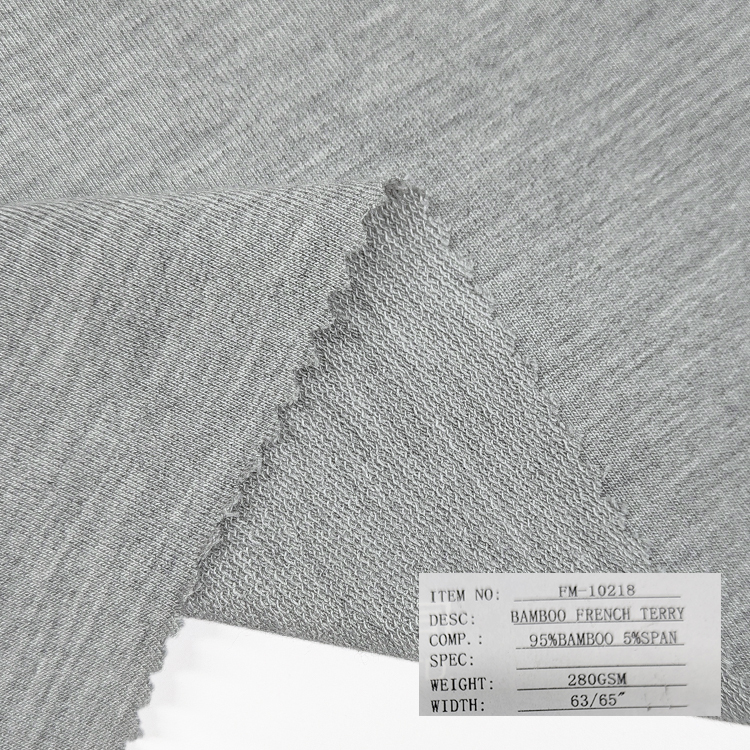
When selecting materials for apparel, athletic wear, or industrial applications, understanding the differences between mesh fabric and regular fabric is essential. Many manufacturers and designers face a critical choice between these two fabric types, each offering distinct advantages and limitations. Terry fabric represents one of the most versatile options in the regular fabric category, known for its absorbent loops and comfortable texture. However, mesh fabric has gained significant popularity in modern applications due to its superior breathability and lightweight construction. This comprehensive comparison explores how terry fabric compares to mesh alternatives, helping you make informed decisions based on your specific needs and performance requirements.
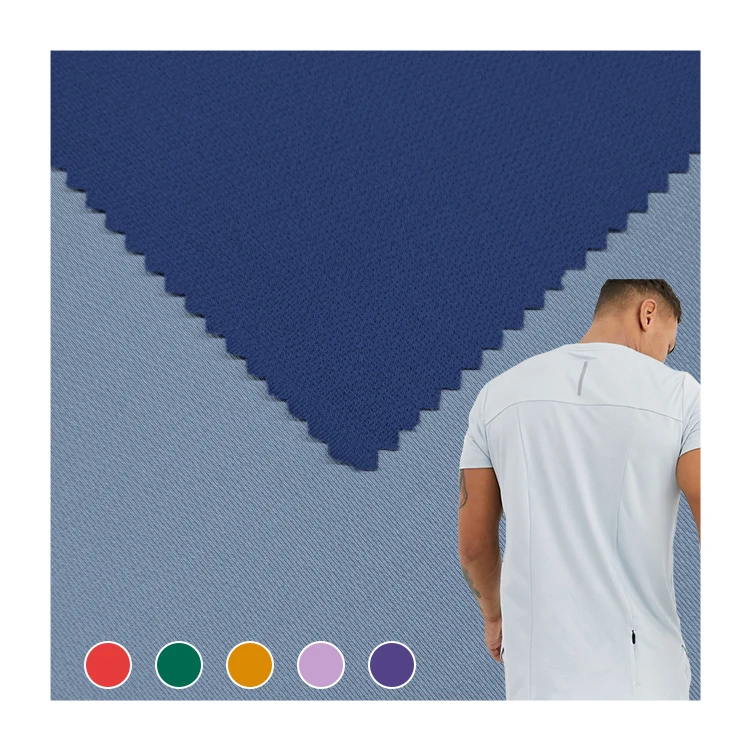
Understanding the fundamental characteristics of terry fabric and mesh fabric enables manufacturers to optimize product performance and customer satisfaction. Terry fabric features a distinctive looped pile surface that creates exceptional water absorbency, making it ideal for towels, bathrobes, and athletic wear where moisture management is critical. Mesh fabric, by contrast, utilizes an open-weave construction that promotes maximum airflow and ventilation. Both fabric types serve different purposes across industries, and selecting the wrong material can compromise product quality, comfort, and market competitiveness. This guide provides detailed insights into the properties, applications, and practical considerations that distinguish these fabric categories.
Structural Differences Between Mesh Fabric and Regular Fabric
Construction and Weave Patterns
The structural foundation distinguishes mesh fabric from regular fabric varieties like terry fabric in fundamental ways. Mesh fabric employs an open-weave construction with strategic gaps throughout the material, creating a lattice-like pattern that allows air and moisture to pass through freely. Terry fabric, conversely, features a traditional weave with loops on the surface that trap and hold moisture rather than allowing it to pass through immediately. Regular fabric types, including terry fabric, typically use closed-weave constructions that provide better coverage and structural integrity. The open architecture of mesh fabric reduces material density, while terry fabric maintains denser construction that enhances durability and texture. These structural differences directly impact performance characteristics such as breathability, weight, and comfort in various applications.
Fiber Composition and Material Properties
Terry fabric and mesh fabric can both be manufactured from natural fibers, synthetic materials, or blended combinations depending on application requirements. Cotton terry fabric offers superior absorbency and softness, making it popular for towels and loungewear where comfort is paramount. Mesh fabric frequently incorporates polyester, nylon, or polyester-cotton blends to enhance durability and maintain shape during extensive use. The fiber composition influences how each fabric type performs in terms of stretch, recovery, and longevity. Terry fabric constructed from premium cotton provides exceptional comfort but may require more careful care and maintenance compared to synthetic mesh alternatives. Understanding fiber properties helps manufacturers select appropriate materials for specific end uses and market positioning strategies.
Performance Characteristics: Mesh Fabric Versus Regular Fabric
Breathability and Moisture Management
Breathability represents a primary differentiator between mesh fabric and regular fabric options like terry fabric in athletic and activewear applications. Mesh fabric excels in moisture-wicking capabilities due to its open-weave structure that facilitates rapid evaporation and air circulation against the skin. Terry fabric absorbs moisture effectively but releases it more slowly, making it ideal for post-exercise or spa applications where prolonged moisture retention is beneficial. For sportswear requiring immediate sweat management and temperature regulation, mesh fabric outperforms terry fabric significantly. The enhanced breathability of mesh fabric makes it the preferred choice for high-intensity athletic applications, outdoor sports, and summer wear. Regular fabric types, including terry fabric, work better for applications where moisture absorption and retention serve functional purposes such as drying and comfort after activity.
Comfort, Durability, and Maintenance
Comfort profiles vary considerably between mesh fabric and regular fabric like terry fabric, depending on intended use and personal preference. Terry fabric provides exceptional softness and luxurious feel against skin, contributing to its dominance in premium towel and robe markets. Mesh fabric offers minimal friction and maximum airflow, delivering different comfort characteristics that many athletes and active users prefer. Durability considerations favor mesh fabric in high-wear applications due to its simpler construction and resistance to pilling or texture breakdown. Terry fabric requires more delicate handling to preserve its plush surface, though quality construction ensures long-term performance. Regular maintenance demands also differ significantly, with mesh fabric typically requiring less specialized care than premium terry fabric products.
Applications and Industry Use Cases
Sportswear and Athletic Applications
The sportswear industry increasingly relies on mesh fabric for performance-critical applications where breathability and moisture management directly impact user satisfaction. Athletic companies utilize mesh fabric in compression wear, training shirts, running shorts, and cross-training apparel where sweat management and comfort during intense activity are essential. Terry fabric continues to serve niche athletic applications such as sweatbands, protective linings, and moisture-absorbing athletic socks where absorbency adds functional value. Terry fabric provides advantages in recovery wear and post-workout applications where extended moisture retention supports comfort during cooldown periods. Premium athletic brands strategically combine both fabric types within single garments, leveraging the strengths of mesh fabric for high-exertion zones and terry fabric for support and recovery areas. This hybrid approach demonstrates how understanding fabric properties enables manufacturers to optimize overall product performance and market differentiation.
Home Textile and Fashion Applications
The home textile industry demonstrates strong preference for regular fabric varieties, particularly terry fabric, in towels, bathrobes, bathemats, and loungewear collections. Terry fabric dominates these markets due to superior absorbency, luxurious texture, and established consumer expectations for premium bath products. Mesh fabric has emerged in home applications primarily for specialized uses such as storage solutions, laundry bags, and ventilated organizational products where breathability offers practical advantages. Fashion designers increasingly incorporate mesh fabric into contemporary apparel designs for aesthetic and functional purposes, creating visibility and layering effects impossible with regular opaque fabrics. Terry fabric maintains its traditional stronghold in casual wear, children's apparel, and comfort-focused fashion segments where softness and familiar texture drive consumer preference. Understanding application-specific requirements enables manufacturers to select appropriate fabric types and position products effectively within target markets.
FAQ
What is the main difference between mesh fabric and terry fabric?
The primary difference lies in weave construction and performance characteristics. Mesh fabric features an open-weave lattice structure that promotes maximum breathability and rapid moisture evaporation, making it ideal for sportswear and high-performance applications. Terry fabric uses a looped-pile construction that provides superior absorbency and softness, making it perfect for towels, robes, and comfort-focused garments. Regular fabric types like terry fabric prioritize moisture retention and texture, while mesh fabric prioritizes airflow and moisture release. These fundamental structural differences mean each fabric type serves different functional purposes and consumer needs.
Is mesh fabric better than terry fabric for athletic wear?
For high-intensity athletic applications, mesh fabric generally outperforms terry fabric due to superior breathability and faster moisture management. Mesh fabric allows sweat to evaporate quickly and air to circulate freely, maintaining comfort during intense physical activity. However, terry fabric remains valuable in specialized athletic applications such as sweatbands, athletic socks, and recovery wear where absorbency provides functional advantages. The best choice depends on specific application requirements, activity intensity, and desired performance characteristics. Many premium athletic brands use hybrid constructions combining both mesh fabric and terry fabric strategically within products to maximize overall performance and comfort.
Can mesh fabric and terry fabric be used together in one garment?
Yes, combining mesh fabric and terry fabric in single garments represents an intelligent design strategy employed by leading apparel manufacturers. Strategic placement of mesh fabric in high-perspiration zones maximizes breathability where it matters most, while terry fabric in support areas provides structure, comfort, and absorbency. This hybrid approach leverages the distinct advantages of both fabric types, enhancing overall product performance beyond what either material could achieve independently. Combining mesh fabric and regular terry fabric allows designers to create sophisticated solutions addressing multiple performance requirements within one cohesive product. This approach is particularly common in premium sportswear, technical activewear, and performance-focused fashion applications.