
 EN



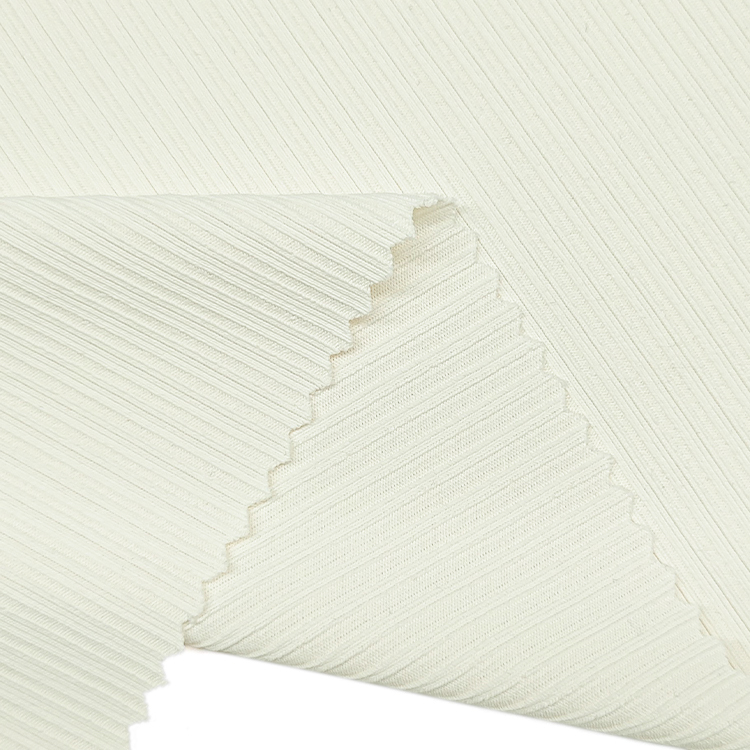
When choosing between modal fabric and cotton, understanding the unique properties of each material becomes essential for manufacturers, designers, and consumers alike. Both materials have distinct advantages and limitations that affect comfort, durability, sustainability, and cost-effectiveness. The choice between these two fabrics often depends on the specific application, desired performance characteristics, and production priorities. Many textile professionals face the challenge of selecting the right base material for their projects, especially when rib fabric alternatives enter the decision matrix. This comprehensive guide examines the key differences between modal fabric and cotton, helping you make an informed choice that aligns with your textile requirements.

Modal fabric represents a semi-synthetic alternative created from beech wood pulp, offering distinct characteristics that set it apart from traditional cotton. When comparing modal fabric to cotton, it's important to recognize that rib fabric constructions can be made from either material, creating layered fabric structures that enhance durability and visual appeal. Understanding the core differences between these materials helps textile professionals select the optimal choice for specific end-use applications, whether in apparel, home textiles, or industrial uses. The comparison extends beyond basic fiber composition to include performance metrics, environmental impact, cost considerations, and suitability for various manufacturing processes.
Fiber Composition and Manufacturing Process
Understanding Modal Fabric Production
Modal fabric originates from cellulose derived from beech wood pulp through a specialized manufacturing process. The production of rib fabric using modal fibers involves dissolving wood pulp in sodium hydroxide and carbon disulfide, then regenerating the cellulose through a wet-spinning technique. This closed-loop process for modal fabric production captures and recycles approximately ninety-nine percent of chemical solvents, making rib fabric from modal a more environmentally controlled option compared to traditional cotton cultivation. Modal fabric fibers emerge finer and more lustrous than cotton, contributing to softer hand feel and superior drape characteristics.
Cotton Fiber Characteristics
Cotton remains a natural plant-based fiber harvested from cotton bolls, requiring significant water and pesticide inputs during cultivation. The traditional rib fabric made from cotton relies on natural fiber properties developed through centuries of agricultural practice. Cotton fabric production involves ginning, carding, and spinning processes that preserve the natural fiber structure. While rib fabric construction from cotton benefits from cotton's established agricultural supply chains, cotton cultivation demands substantial environmental resources and land usage.
Performance Properties and Comfort Characteristics
Softness and Breathability
Modal fabric delivers exceptional softness due to its smooth fiber surface and lower fibrillation tendency compared to cotton. Rib fabric constructed from modal maintains superior softness through repeated washing cycles, as the smooth fiber structure resists pilling and wear. The breathability of modal fabric rivals that of cotton, though modal fabric absorbs moisture more readily, creating a cooler sensation against skin. Rib fabric made from modal tends to feel luxurious and silky, making it particularly suitable for intimate apparel and premium garments where comfort remains paramount.
Durability and Longevity
Cotton fabric possesses inherent durability and strength that improves with washing, a characteristic highly valued in workwear and frequently-used textiles. Rib fabric constructed from cotton maintains structural integrity through extended use and multiple laundering cycles. Modal fabric, while soft, demonstrates lower tenacity and can weaken when wet, potentially limiting its suitability for heavy-duty applications. However, rib fabric blends combining modal and cotton fibers often provide optimal balance, leveraging cotton's durability with modal's softness to create durable yet comfortable end products.
Environmental Impact and Sustainability Considerations
Water Usage and Chemical Processing
Cotton cultivation demands approximately seven thousand to twenty-nine thousand liters of water per kilogram of fiber, depending on climate and irrigation practices. Growing cotton for rib fabric production requires significant pesticide application, with cotton accounting for approximately sixteen percent of global insecticide use despite occupying only two point five percent of cultivated land. Modal fabric production, while utilizing chemical solvents, operates in closed-loop systems where rib fabric manufacturers recover ninety-nine percent of processing chemicals. This chemical recovery makes modal fabric production substantially less environmentally damaging than conventional cotton cultivation, though the energy intensity of the modal production process deserves consideration.
Biodegradability and End-of-Life
Both modal fabric and cotton remain fully biodegradable cellulosic materials, decomposing naturally without releasing microplastics or synthetic residues. Rib fabric made from either material breaks down in landfills or composting environments within reasonable timeframes, unlike synthetic alternatives. The biodegradability advantage extends to wastewater treatment, where rib fabric fibers readily break down compared to persistent synthetic fibers. However, modal fabric's chemical processing history raises questions about residual contaminant presence, while cotton's pesticide legacy similarly impacts environmental recovery times.
Cost, Availability, and Manufacturing Flexibility
Price Point Comparison
Cotton fabric typically costs less per unit than modal fabric due to established agricultural infrastructure and high production volumes worldwide. The price difference becomes more significant when sourcing rib fabric from modal, as the specialized regenerated fiber production process requires higher capital investment and energy consumption. Rib fabric pricing reflects market demand, with modal rib fabric commanding premium prices for luxury applications while cotton rib fabric serves value-conscious markets. Bulk purchasing and regional sourcing can influence final costs, with some regions offering competitive advantages in either cotton or modal fabric production.
Production Scalability and Supply Chain
Cotton farming and spinning infrastructure exists globally, making rib fabric production from cotton readily available and scalable across most regions. Modal fabric production concentrates in fewer locations with established regenerated fiber facilities, potentially limiting supply flexibility for rib fabric manufactured from modal. Manufacturers seeking rib fabric for large-scale production often find cotton more accessible and easier to source, while premium fashion brands increasingly pursue modal rib fabric for exclusive collections. Supply chain transparency and certification availability differ between materials, with cotton offering Fair Trade and organic certifications while modal fabric emphasizes sustainable closed-loop production credentials.
Application-Specific Suitability and Use Cases
Apparel and Comfort-Focused Applications
Modal fabric excels in intimate apparel, sleepwear, and luxury leisurewear where softness and skin contact comfort dominate design priorities. Rib fabric constructed from modal provides premium knit garment construction, creating structured yet breathable garments ideal for high-end activewear. Cotton fabric remains the superior choice for everyday garments, workwear, and applications requiring maximum durability and temperature regulation. Rib fabric made from cotton supports versatile applications from basic t-shirts to structured fashion pieces, accommodating diverse market segments and price points.
Home Textiles and Industrial Uses
Bed linens, towels, and home textiles benefit from cotton's proven durability and absorbency, with rib fabric cotton constructions providing structural reinforcement for high-traffic applications. Modal fabric, while increasingly incorporated into premium home textile collections, remains secondary to cotton for heavy-use domestic applications. Rib fabric applications in industrial settings such as medical textiles, reinforced garments, and protective wear typically require cotton's established performance reputation. Industrial rib fabric demands standardized specifications and proven supply reliability, advantages that cotton currently maintains over modal alternatives.
FAQ
What distinguishes rib fabric from other knit constructions?
Rib fabric features vertical ridges created by alternating knit and purl stitches, producing a elastic, structured texture that differs from smooth jersey or textured patterns. The rib fabric construction provides inherent stretch and recovery, making it ideal for fitted garments, necklines, cuffs, and waistbands. Whether produced from modal or cotton, rib fabric maintains these structural characteristics while varying in hand feel, durability, and performance based on fiber composition. The elasticity of rib fabric makes it particularly valuable in apparel manufacturing where recovery and shape retention matter significantly.
Can rib fabric be produced as a blend of modal and cotton?
Yes, rib fabric blends combining modal and cotton fibers are increasingly common, leveraging the softness of modal with cotton's durability and cost-effectiveness. Modal and cotton fiber combinations in rib fabric create balanced performance characteristics suitable for broader market applications. These blended rib fabric options often provide optimal tactile qualities while maintaining reasonable price points, making them popular choices for premium casual wear. The percentage ratio of modal to cotton in rib fabric blends varies, allowing manufacturers to adjust performance properties according to specific product requirements and target market preferences.
Which material offers better value for rib fabric applications?
The value proposition of rib fabric depends on specific application requirements, budget constraints, and performance priorities of the end product. Cotton rib fabric delivers superior value for budget-conscious applications, everyday garments, and products requiring exceptional durability and frequent laundering. Modal rib fabric provides better value for premium positioning, luxury markets, and applications where comfort and aesthetic qualities justify premium pricing. Many manufacturers optimize rib fabric value by strategically combining both materials, using cotton for body construction and modal for soft comfort zones, balancing cost with performance expectations.