
 EN



Velvet represents one of the most luxurious and sought-after textile materials in the fashion and upholstery industries. Understanding the composition and characteristics of velvet fabric requires knowledge of its structural foundation, particularly the role of pile construction and backing materials that define its tactile qualities and performance. When examining velvet at the microscopic level, the pile structure creates the distinctive soft surface that consumers recognize instantly, yet the underlying support—often featuring rib fabric or similar base constructions—provides essential durability and structural integrity that determines how well the material performs over time.
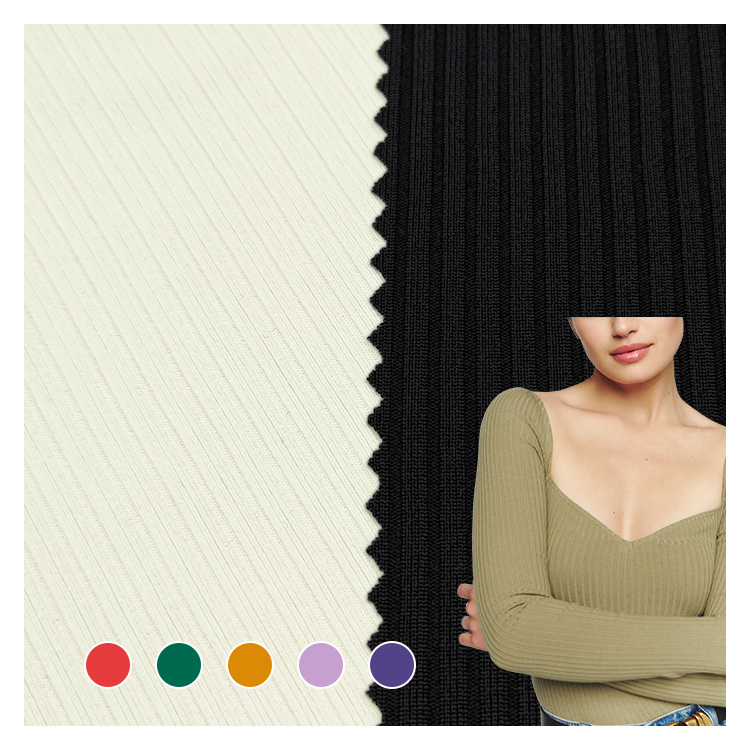
The relationship between pile depth, backing construction, and overall fabric performance forms the foundation of effective velvet selection and care practices. Premium velvet fabrics typically incorporate advanced backing systems, including rib fabric configurations, which stabilize the pile and enhance longevity. This comprehensive guide explores the essential characteristics of velvet fabric types, practical applications across industries, and proven care methodologies that protect your investment in this premium material.
Understanding Velvet Fabric Structure and Composition
Pile Construction and Backing Materials
Velvet fabric achieves its distinctive character through precise pile engineering, where short fibers stand perpendicular to a sturdy backing layer. The backing system, frequently constructed from rib fabric or similar reinforced weaves, absorbs tension during weaving and use, preventing the pile from shifting or separating. Rib fabric serves as an ideal foundation because its structured ridge-and-valley pattern distributes stress evenly across the entire cloth surface, which explains why high-quality velvet products consistently feature rib fabric or similar engineered backing constructions.
The pile fiber composition determines color saturation, durability, and feel characteristics. Natural fibers like silk create exceptionally lustrous velvet with superior drape, while synthetic options including polyester and nylon offer enhanced stain resistance and easier maintenance. The interaction between pile height—typically ranging from one to three millimeters—and backing strength determines whether your velvet fabric maintains its appearance throughout years of regular use. Thicker rib fabric backing systems support greater pile heights without deformation, making this relationship critical for performance prediction.
Weight and Density Specifications
Velvet fabric weight directly correlates with durability and application suitability. Light velvet fabrics, weighing between three hundred and five hundred grams per square meter, work well for apparel, evening wear, and decorative applications where weight matters less than drape and visual appeal. Medium-weight velvet, ranging from five hundred to eight hundred grams per square meter, provides balanced performance for upholstery projects, curtains, and structured garments that require both aesthetic quality and practical durability. Heavy-duty velvet fabrics exceeding eight hundred grams per square meter incorporate substantial rib fabric reinforcement, making them ideal for high-traffic furniture, automotive applications, and commercial installations where longevity takes priority.
Velvet Fabric Types and Industrial Applications
Crushed Velvet and Patterned Variations
Crushed velvet creates distinctive visual effects by deliberately distressing the pile to reflect light inconsistently, producing movement and depth even in stationary fabric. This variation appears frequently in fashion applications because it conceals minor wear marks better than conventional pile arrangements, extending the perceived lifespan of velvet garments. The underlying rib fabric structure remains unchanged in crushed velvet, continuing to provide essential support while the surface treatment alters appearance dramatically. Patterned velvet fabrics use differential pile heights or fiber blends to create woven or jacquard designs, with rib fabric backing ensuring pattern stability and preventing pile shift that would distort the intended visual composition.
Cut velvet represents another category where the pile undergoes selective cutting to expose the backing, traditionally rib fabric, in controlled patterns. This technique creates bold visual contrasts and tactile variation within a single fabric piece, popular in interior design applications and premium apparel where artistic expression justifies the higher production costs. Sheared velvet undergoes uniform pile reduction to create a shorter, sleeker surface that resists matting and suits high-traffic environments. Each variation maintains rib fabric or equivalent backing as the stability foundation, demonstrating how consistent support systems adapt to diverse surface treatments.
Furniture and Apparel Applications
Upholstery represents the dominant industrial application for velvet fabric, where durability requirements demand substantial rib fabric backing systems. Furniture manufacturers select velvet for high-end sofas, chairs, and ottomans where luxury positioning justifies premium material costs and production complexity. The rib fabric foundation ensures that daily compression and friction do not cause pile separation, maintaining appearance and tactile appeal across years of use. Commercial upholstery applications in hospitality, healthcare, and corporate environments increasingly specify performance-grade velvet with enhanced backing systems, including reinforced rib fabric constructions rated for institutional durability standards.
Fashion designers utilize velvet fabric for evening wear, formal attire, and luxury collections where visual impact and tactile elegance remain paramount. Garment applications typically employ lighter-weight velvet with rib fabric backing sufficient for apparel requirements rather than furniture stresses. Accessories including handbags, evening shoes, and decorative elements frequently feature velvet, where the backing system adjusts to accommodate specialized construction techniques. Technical apparel innovations now incorporate velvet into performance wear, where rib fabric backing and modern fiber combinations create washable, stretch-enabled velvet that combines luxury with practical functionality.
Essential Care, Maintenance, and Longevity Practices
Cleaning Protocols and Stain Management
Proper velvet fabric care begins with understanding that the delicate pile surface requires fundamentally different approaches than conventional woven materials. Dry cleaning remains the safest method for most velvet items, using specialized solvents that dissolve stains without saturating the fiber or compromising rib fabric backing. Professional dry cleaners employ soft brushes and minimal agitation when handling velvet, preventing the permanent crushing that occurs when pile experiences excessive pressure. For minor surface dust and debris, gentle vacuuming with upholstery attachments works effectively when performed in the direction of the pile without applying suction that might dislodge fibers from the rib fabric base.
Immediate stain intervention prevents permanent damage because velvet's absorbent pile captures liquids quickly and thoroughly. Blot spills immediately with absorbent white cloth, pressing gently to lift liquid before it saturates through the pile into the rib fabric backing layer. Avoid rubbing or scrubbing, which forces stains deeper into fiber and can cause color bleeding across adjacent pile areas. For dried stains, test cleaning solutions on inconspicuous areas first, as some formulations may lighten velvet color or damage specific fiber types. Professional stain removal often proves cost-effective for valuable velvet upholstery or apparel, where improper treatment could exceed replacement expenses.
Storage and Environmental Preservation
Velvet fabric preservation during storage requires protection from moisture, light, and physical compression that crushes the pile permanently. Store velvet garments in breathable cotton bags rather than plastic, which traps humidity and promotes mildew growth that stains the pile and deteriorates rib fabric backing through moisture damage. Climate control maintaining fifty to sixty percent relative humidity and temperatures between sixty and seventy degrees Fahrenheit optimizes longevity for stored velvet items. Avoid direct sunlight exposure, which fades velvet colors over time and can weaken fibers, particularly natural silk pile constructions that fade faster than synthetic alternatives.
Hanging velvet garments on padded hangers prevents deformation better than folding, which creases pile and creates permanent lines that resist restoration. For stored upholstery or larger pieces, loosely roll rather than fold to minimize crease formation and stress on rib fabric backing seams. Periodic airing removes moisture and prevents stagnant odors without washing, maintaining freshness for long-term storage. Protect stored velvet from insects through cedar blocks or specialized pest deterrents, avoiding naphthalene products that can discolor certain fiber types and leave persistent chemical odors.
FAQ
What distinguishes velvet fabric from other pile textiles?
Velvet fabric differs primarily through pile density, construction height, and backing systems compared to corduroy or plush alternatives. The smooth, uniform pile surface in velvet creates reflective light properties that produce distinctive color saturation and lustrous appearance, while rib fabric backing systems provide structural integrity that alternatives cannot match. Velvet pile cuts perpendicular to the backing, creating a dense, uniform surface rather than the visible ribs characteristic of corduroy, making velvet appropriate for luxury applications where visual refinement takes priority.
How can consumers identify high-quality velvet fabric before purchase?
Premium velvet fabric exhibits consistent pile density without visible backing material when viewed from the surface, indicating substantial rib fabric or reinforced backing construction beneath. Run your hand across the pile in both directions; high-quality velvet should show minimal color variation or matting because durable fibers resist compression. Examine the backing by gently folding a sample, noting whether the rib fabric backing appears dense and well-constructed rather than loose or thin. Weight and thickness correlate with durability, making heavier velvet generally more resistant to wear, pilling, and matting across time.
Can velvet fabric be washed at home, or does professional cleaning always prove necessary?
Most velvet fabric should undergo professional dry cleaning to prevent pile damage and color loss that home washing often causes. However, some performance velvet products manufactured with synthetic fibers and engineered backing systems, including advanced rib fabric constructions, tolerate gentle hand washing with cold water and specialized textile detergent. Always test cleaning methods on inconspicuous areas first, and avoid heat drying, wringing, and harsh agitation that crushes the pile or separates fibers from backing. For valuable items, expensive upholstery, or natural fiber velvet, professional cleaning consistently produces superior results and extends the lifespan substantially compared to home treatment attempts.