
 EN


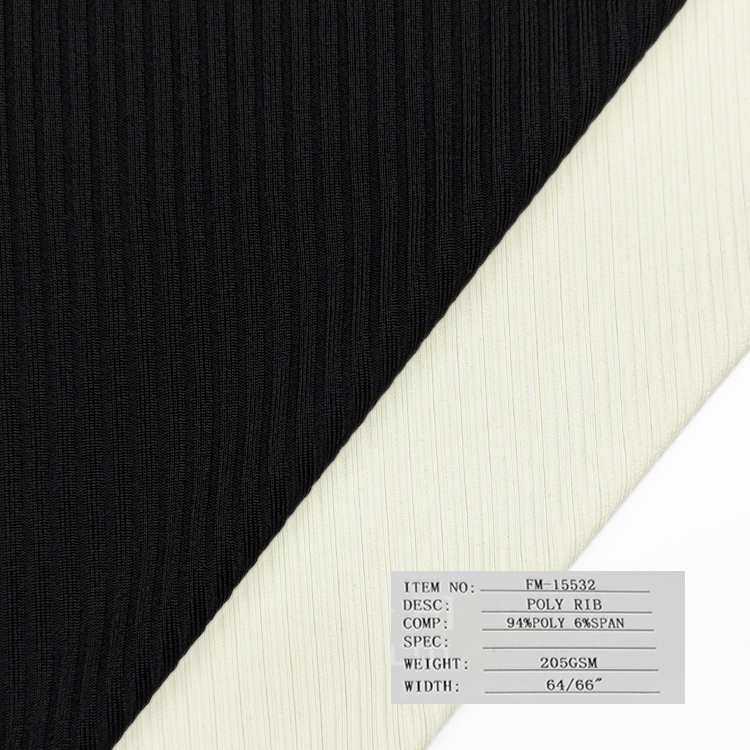
The textile industry continues to evolve, and 2026 promises exciting developments in velvet and elevated fabric textures. Among the most significant trends emerging this year is the growing prominence of rib fabric as a defining component in premium velvet collections. Designers and manufacturers are increasingly incorporating rib fabric into their lines, recognizing how this textured material brings depth, sophistication, and tactile appeal to modern fashion and home décor applications. The shift toward rib fabric reflects a broader industry movement toward dimensional textures that combine visual interest with functional comfort.

What makes rib fabric particularly relevant to 2026 velvet trends is its unique construction and versatility. Unlike traditional flat velvet surfaces, rib fabric introduces a structured pattern that enhances both aesthetic appeal and performance characteristics. Fashion brands, interior designers, and manufacturers are leveraging rib fabric to create pieces that stand out in competitive markets while delivering superior comfort and durability. This article explores the key velvet fabric trends for 2026, with particular focus on how rib fabric is reshaping the industry landscape.
The Rise of Textured Velvet and Rib Fabric Innovation
Why Texture Matters in Modern Design
Contemporary consumers increasingly seek fabrics that offer both visual depth and tactile satisfaction. Rib fabric directly addresses this demand by introducing linear patterns and raised elements that create dimension on any surface. The traditional smooth velvet aesthetic is giving way to more complex textures, and rib fabric stands at the forefront of this transformation. Designers recognize that rib fabric provides a sophisticated alternative to flat finishes, allowing garments and furnishings to communicate quality and intentional design through their physical structure alone.
Technical Advantages of Rib Fabric Construction
Rib fabric construction employs a vertical ridged pattern that improves fabric stability, stretch recovery, and wear resistance compared to non-textured alternatives. This structural advantage means rib fabric maintains its appearance after repeated washing, stretching, and wearing, making it an economically sound choice for both manufacturers and end consumers. The engineered nature of rib fabric also allows for better dye uptake and color retention, enabling brands to achieve richer, more consistent color profiles throughout their collections. Additionally, rib fabric reduces pilling and surface degradation, extending product lifecycle and enhancing perceived value across price segments.
2026 Velvet Trends Shaped by Rib Fabric Applications
Fashion Forward: Apparel and Wearables
Luxury fashion houses and mainstream retailers are both embracing rib fabric for elevated wearables in 2026. High-fashion collections feature rib fabric in structured blazers, form-fitting dresses, and statement separates that command premium price points through their distinctive texture. Contemporary athleisure brands increasingly incorporate rib fabric into performance wear, where the material's stretch properties and structural integrity support active movement while maintaining elegant appearance. The versatility of rib fabric across price segments reflects its broad appeal and technical reliability, making it a dominant choice for designers seeking differentiation without sacrificing practical performance.
Interior Design and Home Furnishings
The home furnishings market is experiencing significant growth in textured fabrics, and rib fabric is becoming a standard offering for upholstery, decorative pillows, and accent pieces. Interior designers appreciate how rib fabric adds visual interest to modern and transitional spaces without introducing jarring color contrast. Residential applications of rib fabric range from sophisticated sofas and chairs to coordinating wall coverings and window treatments. Commercial interior design also favors rib fabric for hospitality venues, corporate offices, and retail environments where durability and aesthetic consistency are equally important. The resilience of rib fabric under high-traffic conditions makes it an intelligent investment for both residential and commercial installations.
Market Dynamics and Consumer Preferences Driving Rib Fabric Growth
Sustainability and Material Innovation
Consumers and brands alike are prioritizing sustainable textile solutions, and rib fabric manufacturers are responding with eco-conscious production methods and recycled fiber options. Rib fabric made from organic cotton, recycled polyester, and sustainable viscose blends are gaining market share as environmental consciousness becomes a purchasing driver. The efficiency of rib fabric production also means less waste during manufacturing compared to more complex weaving techniques. Brands promoting rib fabric products emphasize both the environmental benefits and the superior longevity of the material, appealing to conscientious consumers willing to invest in durable, responsibly sourced textiles.
Price Positioning and Accessibility
Rib fabric occupies a strategic position across multiple price segments, making textured velvet accessible to diverse consumer groups. Budget-conscious manufacturers utilize rib fabric to elevate basic apparel and furnishings without significant cost increases, while luxury brands leverage rib fabric as a premium differentiator justifying higher retail prices. This dual positioning of rib fabric across markets supports continued industry growth and broader consumer adoption. The cost-effectiveness of producing rib fabric compared to other specialty finishes enables retailers and brands to maintain healthy margins while offering competitive pricing, further accelerating rib fabric market penetration across retail channels.
Practical Considerations for Choosing Rib Fabric in 2026
Color Palettes and Styling Flexibility
The textured nature of rib fabric interacts uniquely with color and light, creating sophisticated visual effects across the spectrum. Neutral earth tones like charcoal, taupe, and ivory showcase rib fabric's dimensional qualities most effectively, while jewel tones and moody hues add contemporary elegance to rib fabric pieces. The versatility of rib fabric color options allows designers to create coordinated collections that feel cohesive while introducing subtle variation through tone-on-tone texturing. Fashion and home design professionals recognize that rib fabric's visual depth reduces the need for additional embellishment, allowing simpler, more refined designs to read as intentionally sophisticated.
Care, Maintenance, and Longevity
Rib fabric requires standard care practices similar to other premium textiles, making it practical for everyday use in both fashion and home settings. Machine washing on gentle cycles, air drying, and minimal ironing preserve the structural integrity and appearance of rib fabric items over extended periods. The durability of rib fabric means that garments and furnishings retain their appearance through numerous washing cycles, justifying initial investment through extended wearability. Proper storage of rib fabric pieces, avoiding direct sunlight and humidity extremes, further extends product lifespan. For consumers prioritizing longevity and low-maintenance textiles, rib fabric delivers reliable performance that rewards initial purchase investment.
FAQ
What distinguishes rib fabric from traditional flat velvet?
Rib fabric features vertical ridged patterns that create structural texture, whereas traditional flat velvet presents a smooth, uniform surface. This rib fabric construction improves stability, stretch recovery, and visual depth, making it particularly suited to 2026 design trends emphasizing textured surfaces and dimensional aesthetics. The enhanced durability and appearance retention of rib fabric also provide practical advantages over conventional smooth velvet options.
How does rib fabric perform in high-traffic residential and commercial applications?
Rib fabric demonstrates superior wear resistance compared to non-textured alternatives, making it exceptionally well-suited to high-traffic environments. The structural ridges of rib fabric reduce pilling and surface degradation, maintaining appearance over extended use periods in demanding settings. Both commercial and residential designers increasingly specify rib fabric for upholstery, wall coverings, and furnishings where durability and aesthetic consistency must withstand regular contact and movement.
Is rib fabric available in sustainable material options for environmentally conscious consumers?
Yes, manufacturers are producing rib fabric from organic cotton, recycled polyester, and sustainable viscose blends to meet growing demand for eco-conscious textiles. Rib fabric made from recycled materials offers identical performance and aesthetic characteristics while reducing environmental impact associated with virgin fiber production. Brands highlighting rib fabric sustainability credentials appeal to conscious consumers seeking durable, responsibly sourced materials without compromising design sophistication or functional reliability.