
 EN


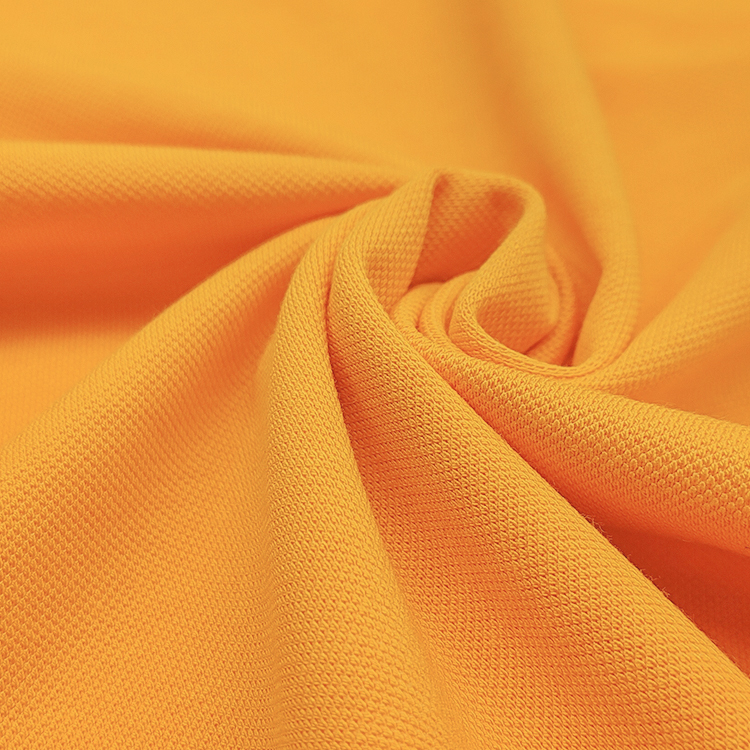
Understanding the difference between high-quality and inferior terry fabric is essential for manufacturers, designers, and procurement professionals in the textile industry. Terry fabric represents a specialized category of textiles with distinctive loop pile construction, yet many buyers struggle to distinguish premium terry fabric from lower-grade alternatives. This comprehensive guide reveals practical, expert-backed methods to evaluate terry fabric quality, ensuring you make informed purchasing decisions that directly impact your production outcomes and product durability.
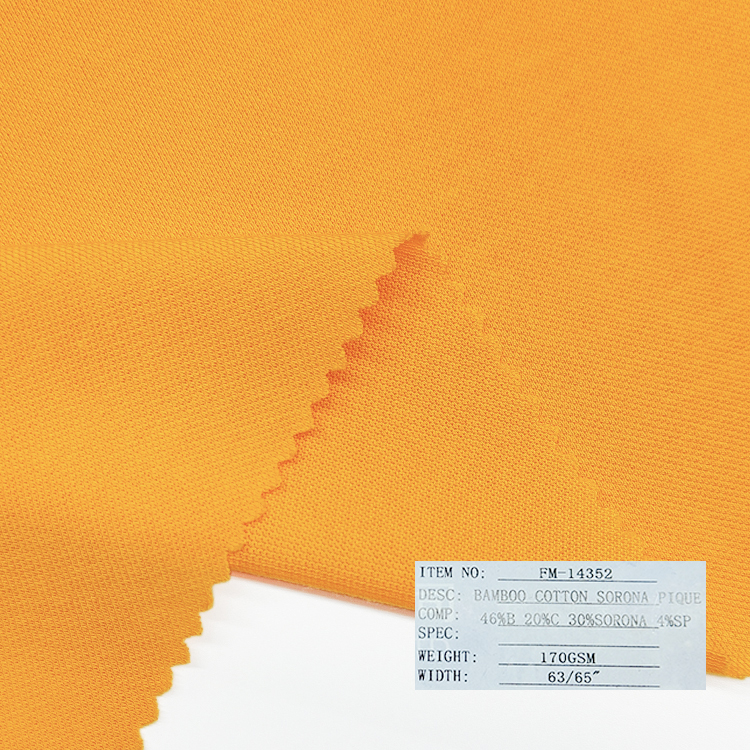
Quality terry fabric assessment begins with understanding its structural composition and performance characteristics. Whether you're sourcing material for towels, apparel, home textiles, or industrial applications, recognizing the markers of superior terry fabric ensures consistent quality and customer satisfaction. This guide walks you through tactile evaluation, material testing, and supplier verification strategies that separate industry experts from casual buyers.
Evaluating Terry Fabric Weight and Density
Understanding GSM and Its Impact on Quality
Grams per square meter, or GSM, is a fundamental measurement that directly indicates how substantial terry fabric truly is. Premium terry fabric typically ranges between 350 to 600 GSM, depending on the intended application. When evaluating terry fabric weight, heavier does not always mean better; rather, the weight must align with your specific use case. Bath towels demand thicker terry fabric around 500–600 GSM, while apparel-grade terry fabric performs optimally at 200–350 GSM. Learning to interpret GSM specifications allows you to identify whether a supplier is offering genuine quality terry fabric or attempting to pass off lightweight, lower-cost alternatives.
Checking Loop Pile Height and Density
The loop pile structure defines much of what makes terry fabric distinctive and desirable. High-quality terry fabric exhibits consistent, evenly spaced loops without compression, matting, or irregular clumping. When you run your hand across superior terry fabric, the loops feel springy and resilient, bouncing back immediately after pressure. Lower-grade terry fabric shows flattened, compressed loops that fail to recover, indicating poor fiber quality or inadequate production standards. Professional buyers physically examine terry fabric samples under standard lighting to assess loop uniformity, as variations in loop height signal inconsistent manufacturing processes that will cause performance problems downstream.
Assessing Fiber Composition and Material Authenticity
Identifying Genuine Fiber Content
Premium terry fabric relies on authentic, high-grade fibers—typically 100% cotton, cotton-polyester blends, or specialty materials like bamboo or modal blends. Manufacturers sometimes misrepresent fiber content to inflate perceived value; therefore, requesting certified material composition data is non-negotiable when sourcing quality terry fabric. Request suppliers provide fiber content certificates, lab testing results, and clear breakdown percentages. Genuine terry fabric made from quality cotton should feel soft yet substantial, with natural warmth and breathability. When examining suspected lower-grade terry fabric, look for synthetic fillers, recycled fiber inclusion, or inconsistent tactile response, all indicators of material substitution or cost-cutting measures that compromise performance and durability.
Testing for Fiber Strength and Longevity
Strong fibers form the foundation of durable terry fabric that withstands repeated washing, extended use, and mechanical stress. Conduct simple strength assessments by gently pulling sample terry fabric in both warp and weft directions; quality terry fabric resists tearing and maintains structural integrity. Request tear strength data, tensile strength metrics, and abrasion resistance test results from suppliers offering premium terry fabric. Inferior terry fabric typically fails under moderate tension, tears easily, and sheds fibers prematurely. Laboratory testing such as ASTM D2261 tear strength testing or ISO 13937 provides objective validation that terry fabric meets industrial durability standards, protecting your investment and ensuring end-product reliability.
Examining Dyeing, Finishing, and Aesthetic Quality
Color Consistency and Dye Fastness
Quality terry fabric displays uniform, vibrant color throughout without streaking, fading, or uneven dye distribution. Examine multiple areas of each sample; superior terry fabric maintains consistent color from selvage to selvage and end to end. Request color fastness test results—specifically ISO 105-C02 testing for wash fastness and ISO 105-B02 for light fastness—to confirm that terry fabric maintains color through customer use and repeated laundering. Cheap terry fabric often exhibits poor dye penetration, leading to color bleeding during initial washes or premature fading under sunlight. Suppliers of quality terry fabric proactively provide these test certifications, demonstrating confidence in their product's performance and professional manufacturing standards.
Surface Finish and Softness Profile
Premium terry fabric undergoes specialized finishing processes that enhance softness without compromising structural integrity. Quality terry fabric should feel luxuriously soft to the touch while maintaining firmness and resilience. Run your palm across samples in different directions; excellent terry fabric offers consistent softness that doesn't flatten or become harsh after handling. Some manufacturers use silicone treatments, enzyme washes, or other chemical finishing to artificially inflate softness, which often diminishes after several washes. Authentic quality terry fabric achieves natural softness from superior fiber selection and balanced finishing. Ask suppliers about their finishing process; transparent manufacturers of quality terry fabric explain their methods, chemicals used, and any specific treatments applied to achieve their final product characteristics.
Verifying Supplier Credentials and Manufacturing Standards
Certifications and Industry Compliance
Reputable suppliers of quality terry fabric maintain internationally recognized certifications such as OEKO-TEX, ISO 9001, or Cradle to Cradle. These certifications confirm that terry fabric meets rigorous environmental, safety, and quality standards. Request documentation proving that suppliers conduct regular quality audits, maintain production consistency, and comply with chemical safety regulations. Quality terry fabric producers openly share their certification portfolio and testing records without hesitation. Manufacturers avoiding certification discussions or refusing to provide documentation should raise immediate red flags about their actual production standards and terry fabric quality commitment.
Sample Testing and Long-Term Performance Validation
Before committing to large-volume orders, always request quality terry fabric samples for extended personal testing. Wash samples multiple times at your intended temperatures, assess color retention, check for pilling or fiber degradation, and evaluate softness evolution. This real-world assessment reveals whether terry fabric truly performs as promised across your specific use conditions. Professional buyers document their findings, comparing multiple samples side-by-side to identify performance leaders. Quality terry fabric suppliers enthusiastically support this testing process, knowing their products will demonstrate superior performance. Suppliers resistant to sampling or imposing unreasonable sample fees typically lack confidence in their terry fabric quality.
FAQ
What is the ideal GSM for quality terry fabric used in towels?
Premium bath towel terry fabric typically ranges from 500 to 600 GSM, providing excellent absorbency, durability, and luxurious feel without excessive weight. Hand towels perform well at 350–450 GSM, while washcloths work effectively at 300–400 GSM. Quality terry fabric at these specifications delivers the optimal balance between durability and usability for residential and hospitality applications.
How can I test terry fabric for color fastness without laboratory equipment?
Conduct a simple home test by washing a small terry fabric sample separately in hot water multiple times while monitoring color bleeding into the water. Quality terry fabric shows minimal to no color release after multiple washes. You can also test light fastness by placing sample terry fabric in direct sunlight for several weeks; superior terry fabric maintains consistent color, while inferior products fade noticeably. For definitive results, request formal ISO color fastness test certificates from suppliers of quality terry fabric.
Does higher price always indicate better quality terry fabric?
Price correlates with quality but doesn't guarantee it; some suppliers charge premium rates without delivering corresponding quality terry fabric. Evaluate actual specifications, test results, fiber composition, and manufacturing certifications rather than relying solely on price. Quality terry fabric suppliers justify their pricing through documented performance data, superior materials, and transparent manufacturing practices. Always compare specifications and test results across multiple quotes to ensure you're paying appropriately for genuine quality terry fabric.