
 EN


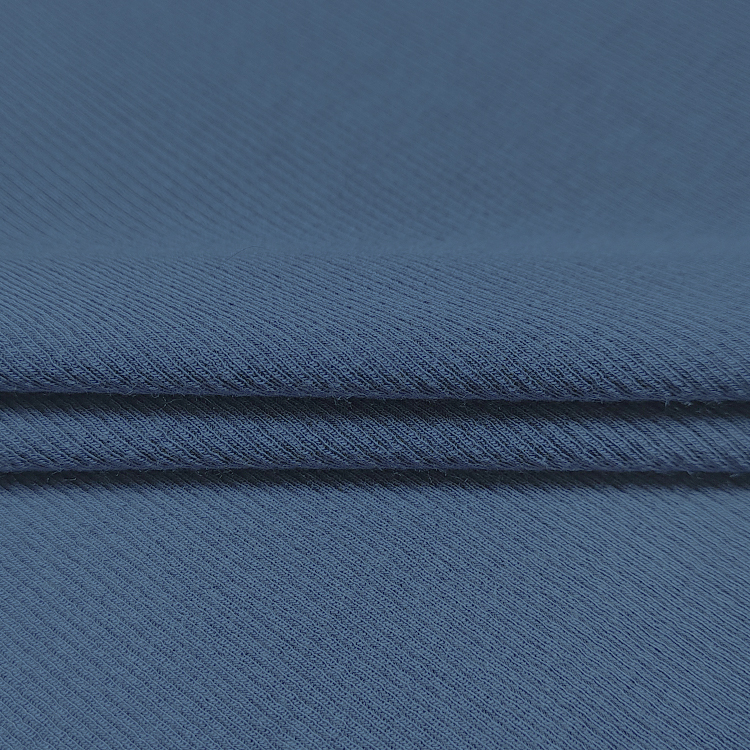
Understanding the distinction between pique fabric and other textured weaves is essential for textile professionals, apparel manufacturers, and designers seeking to select the right material for their projects. Pique fabric represents a specialized category of woven or knitted textiles characterized by raised, cord-like patterns that create dimensional surface texture. This comprehensive guide explores pique fabric properties, production methods, and practical applications across the apparel and home textile industries. Whether you are sourcing pique fabric for polo shirts, performance wear, or decorative applications, this resource provides the technical knowledge and market insights needed to make informed decisions in 2026.
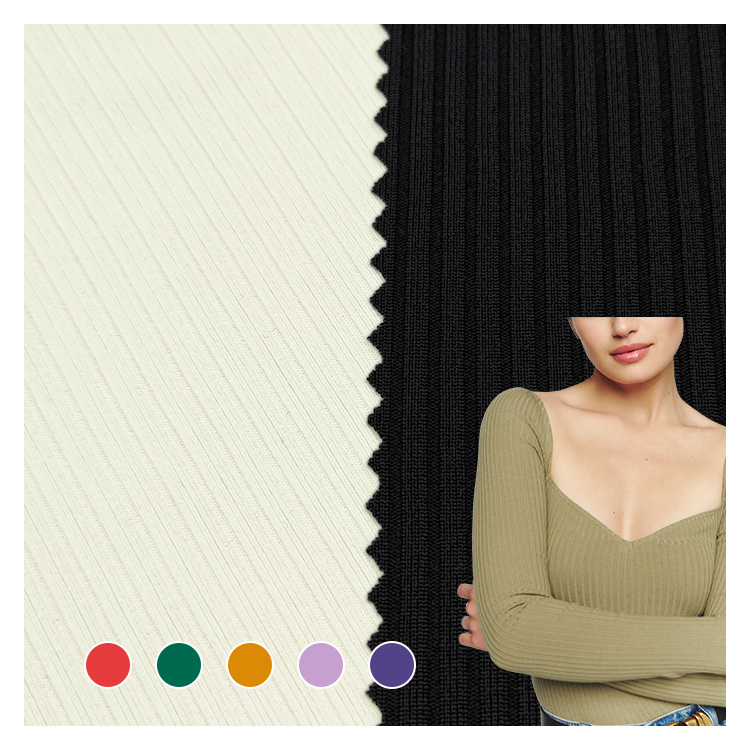
Pique fabric has maintained strong demand across multiple market segments due to its unique structural characteristics and versatile aesthetic appeal. The textile industry continues to innovate pique fabric formulations, introducing blended fiber compositions, sustainable production methods, and enhanced performance features. As consumer preferences shift toward quality, durability, and design distinction, pique fabric remains a preferred choice for premium apparel lines and specialized textile applications.
Understanding Pique Fabric Structure and Composition
What Defines Pique Fabric
Pique fabric is defined by its distinctive raised, corded surface pattern created through specialized weaving or knitting techniques. The pique fabric structure consists of warp yarns that form small loops or raised lines across the base weave, producing a three-dimensional textile surface. This raised pattern distinguishes pique fabric from flat-weave alternatives and contributes to its premium appearance and tactile quality. Pique fabric manufacturing requires precision in yarn tension and loom setup to achieve consistent pattern definition across production runs.
Fiber Content and Material Variations
Pique fabric is commonly produced using 100% cotton, cotton-polyester blends, and increasingly, sustainable fiber combinations including organic cotton and recycled polyester. The choice of pique fabric fiber composition directly affects durability, care requirements, cost structure, and environmental impact. Premium pique fabric often features long-staple cotton varieties that deliver superior softness and wash durability. Blended pique fabric formulations enhance elasticity, wrinkle resistance, and color fastness, making them ideal for performance-focused applications. Manufacturers selecting pique fabric materials must balance aesthetic expectations with functional requirements and sustainability objectives.
Types of Pique Fabric and Their Distinct Applications
Classic Pique Fabric for Traditional Apparel
Classic pique fabric represents the traditional interpretation of this textile category, featuring uniform cord patterns and smooth yarn integration. This pique fabric type is predominantly used for polo shirts, golf wear, and formal business casual apparel where refined aesthetics are essential. The pique fabric structure in classic formulations provides excellent dimensional stability and color retention through repeated washing cycles. Classic pique fabric remains the benchmark for luxury sportswear brands and premium apparel manufacturers seeking design consistency and market recognition.
Performance and Technical Pique Fabric
Contemporary pique fabric innovations now include performance variants engineered with moisture-wicking properties, UV protection, and antimicrobial treatments. Technical pique fabric formulations combine the aesthetic signature of traditional pique fabric with functional performance attributes demanded by active lifestyle consumers. Performance pique fabric often incorporates synthetic fibers, specialty yarns, and finishing processes that enhance durability in high-wear environments. This pique fabric category addresses emerging market demand for apparel that delivers both style and functional utility across sports, outdoor, and workplace applications.
Decorative and Fashion-Forward Pique Fabric
Fashion designers increasingly employ specialty pique fabric formulations featuring varied cord widths, embossed patterns, and innovative colorway techniques. Decorative pique fabric serves applications in high-end ready-to-wear collections, home furnishings, and boutique apparel lines where design differentiation drives purchase decisions. Embellished pique fabric options include jacquard-weave pique fabric, printed pique fabric, and pique fabric with integrated textile embroidery. This pique fabric segment commands premium pricing and attracts consumers seeking distinctive, statement-making textile expressions.
Benefits and Market Drivers for Pique Fabric Selection
Durability and Longevity Advantages
Pique fabric delivers exceptional durability due to its dense weave structure and inherent fiber reinforcement from the raised cord pattern. The pique fabric construction method creates multiple thread intersections that prevent seam slippage and fabric pilling common in lighter-weight alternatives. Garments manufactured from pique fabric typically maintain shape, color, and structural integrity through 50+ wash cycles under standard domestic care protocols. This durability profile makes pique fabric economically attractive for consumers seeking lasting value and for manufacturers positioned in quality-conscious market segments. Pique fabric longevity directly reduces replacement frequency and supports sustainable consumption patterns.
Aesthetic and Brand Positioning Value
Pique fabric carries distinctive visual and tactile characteristics that communicate quality and craftsmanship to consumers. The pique fabric textured surface creates depth and visual interest that elevates basic garment silhouettes into sophisticated finished products. Brand positioning using pique fabric enables premium pricing strategies and consumer perception of superior quality compared to smooth-weave alternatives. Pique fabric aesthetics transcend seasonal trends, providing stable brand identity foundations across multiple product collection cycles. Design teams consistently leverage pique fabric characteristics to differentiate product lines and reinforce brand equity in competitive apparel markets.
Care Simplicity and Consumer Practical Appeal
Pique fabric demonstrates superior wrinkle resistance compared to lightweight cotton weaves, reducing household care burden and maintaining polished appearance throughout extended wear periods. The pique fabric structure naturally resists soil accumulation in surface texture areas, extending intervals between washing cycles. Pique fabric color retention remains excellent with standard laundering practices, supporting long-term consumer satisfaction and repeat purchase intention. These practical benefits enhance consumer perceived value of pique fabric products and reduce negative product reviews related to care difficulty or appearance deterioration.
Production Considerations and Market Sourcing Guidance
Manufacturing Capabilities and Quality Control
Quality pique fabric production requires specialized looms and experienced textile engineers capable of maintaining precise yarn tension, pattern consistency, and weight specifications. Pique fabric manufacturers must implement rigorous quality control protocols measuring pattern definition, fiber strength, color uniformity, and dimensional stability. Sourcing pique fabric from certified manufacturers ensures consistent quality standards, compliance with fiber care labeling requirements, and appropriate documentation for international commerce. Testing pique fabric samples across multiple production batches validates manufacturing process consistency before committing to large-scale orders.
Sustainability and Ethical Considerations
Contemporary pique fabric sourcing increasingly incorporates sustainability criteria including organic fiber certification, water-efficient dyeing processes, and ethical labor standards. Pique fabric produced from sustainable sources commands market differentiation and aligns with consumer environmental consciousness, particularly among younger demographics. Certifications such as OEKO-TEX, GOTS, and Fair Trade validate pique fabric compliance with environmental and social responsibility standards. Forward-thinking pique fabric manufacturers invest in renewable energy, closed-loop dyeing systems, and supply chain transparency to meet evolving market expectations.
FAQ
What is the primary difference between pique fabric and other textured weaves?
Pique fabric distinguishes itself through raised, corded surface patterns created via specialized weaving or knitting techniques, whereas similar textured weaves may feature embossed, dobby, or jacquard patterns. The pique fabric construction method generates consistent dimensional texture that remains visible and tactile throughout the garment lifecycle. Unlike flat weaves that rely primarily on yarn color variation for visual interest, pique fabric inherently delivers three-dimensional surface appeal. This structural characteristic makes pique fabric immediately recognizable and contributes significantly to brand positioning and consumer perception of quality.
How does pique fabric performance compare to standard cotton jersey in active wear applications?
Pique fabric offers superior wrinkle resistance and shape retention compared to standard cotton jersey, maintaining polished appearance during extended wear periods and reducing mid-day garment deterioration. Jersey fabrics prioritize maximum stretch and moisture absorption, whereas pique fabric balances these properties with structural stability and formal aesthetic presentation. Technical pique fabric variants specifically engineered for performance applications now incorporate moisture-wicking yarns and antimicrobial treatments, directly competing with specialized jersey formulations. Selection between pique fabric and jersey depends on priority hierarchy between aesthetic refinement, performance functionality, and end-use environment.
Which industries and product categories represent the largest growth opportunities for pique fabric in 2026?
Sustainable fashion segments, performance outdoor apparel, and premium home furnishings represent significant growth trajectories for pique fabric adoption through 2026. Pique fabric demand from corporate uniform programs and workplace wellness brands continues expansion as employers emphasize employee comfort and professional appearance. Emerging markets in Asia-Pacific and Latin America show accelerating pique fabric consumption as middle-class consumer bases expand purchasing power and fashion consciousness. Specialty pique fabric innovations targeting niche segments including adaptive clothing and medical textiles represent emerging applications with high profit potential.