
 EN


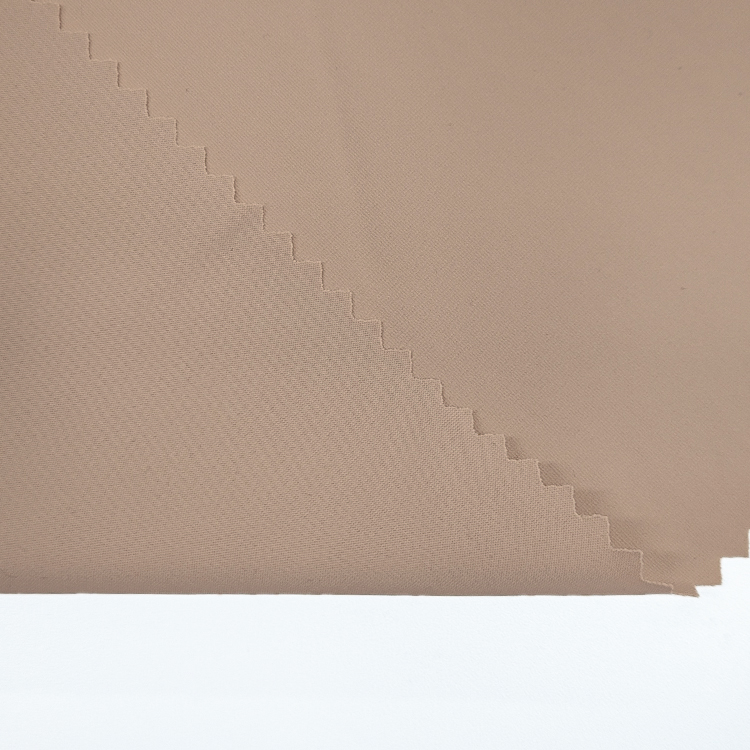
Athletes demand more from their clothing than ever before. The right terry fabric can mean the difference between comfort and distraction during intense training sessions. Terry fabric has become a cornerstone material in modern sportswear because of its exceptional moisture-wicking properties, durability, and soft texture against the skin. Understanding which terry fabric options work best for different athletic activities helps manufacturers and designers create garments that meet performance expectations. This guide explores the essential qualities of terry fabric, how it functions in sportswear applications, and why athletes increasingly prefer apparel made with quality terry fabric.
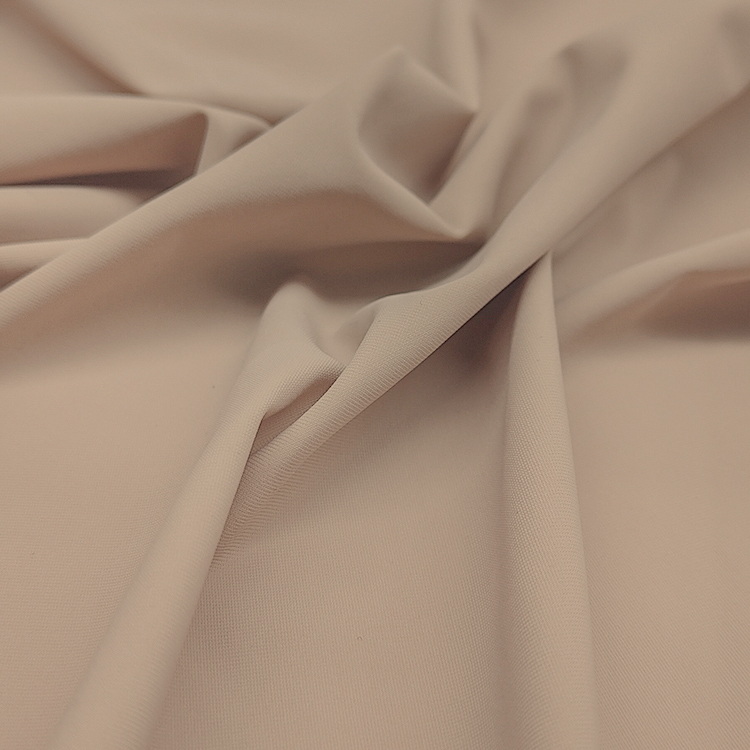
The evolution of terry fabric technology reflects decades of innovation in textile engineering. Modern terry fabric blends natural and synthetic fibers to achieve superior performance characteristics that traditional materials cannot match. Athletes today benefit from terry fabric that breathes efficiently, dries quickly, and maintains its integrity through hundreds of washing cycles. Whether designing training wear, casual activewear, or professional athletic apparel, selecting appropriate terry fabric ensures that final products meet consumer expectations and perform reliably under demanding conditions.
Understanding Terry Fabric Construction and Performance
The Structure of Terry Fabric
Terry fabric consists of loops of yarn that create its distinctive textured surface. Unlike smooth knit fabrics, terry fabric features uncut loops that extend perpendicular to the base weave, giving the material its characteristic plush feel. This looped construction makes terry fabric exceptionally absorbent because the loops trap moisture effectively. When manufacturers produce quality terry fabric, they maintain consistent loop height and density throughout the material, which ensures uniform performance and appearance. Understanding how terry fabric is constructed helps designers select appropriate weights and textures for specific athletic applications.
Key Performance Characteristics of Quality Terry Fabric
Premium terry fabric exhibits several critical performance features that make it ideal for sportswear. The absorbency of terry fabric ranks among its most valuable properties, allowing athletes to stay dry by pulling sweat away from skin. Terry fabric with proper construction also demonstrates excellent elasticity, meaning garments maintain their shape through repeated wear and washing. The durability of quality terry fabric means seams remain intact and loops stay firmly anchored even after intense activity. Additionally, modern terry fabric formulations offer enhanced breathability, allowing air circulation that keeps athletes cool during workouts. When selecting terry fabric for 2026 sportswear collections, these performance metrics should drive purchasing decisions.
Fiber Composition and Material Blending in Terry Fabric
Natural Fiber Options in Terry Fabric
Cotton-based terry fabric remains popular because cotton offers natural breathability and skin-friendliness. Pure cotton terry fabric provides excellent absorbency and a soft feel that many athletes prefer for comfort-focused applications. However, 100 percent cotton terry fabric can retain moisture longer than blended options, which may limit performance in high-intensity scenarios. Bamboo-based terry fabric has emerged as an eco-conscious alternative that combines absorbency with antimicrobial properties. When manufacturers blend cotton or bamboo with performance synthetics, they create terry fabric that balances natural comfort with enhanced durability and quick-dry capabilities.
Synthetic Fiber Integration in Terry Fabric
Polyester blended into terry fabric significantly improves moisture-wicking performance and color retention. Nylon components added to terry fabric increase strength and elasticity, allowing garments to withstand intense physical demands. Modern terry fabric often incorporates elastane or spandex to provide stretch recovery, ensuring that sportswear maintains fit through movement. Strategic blending of fibers in terry fabric creates materials that outperform single-fiber compositions. A well-designed terry fabric blend might combine 60 percent cotton, 35 percent polyester, and 5 percent spandex to achieve optimal balance between comfort, performance, and durability. Manufacturers who understand fiber synergies can develop superior terry fabric products that athletes actively seek.
Application-Specific Terry Fabric Selection for 2026 Sportswear
Terry Fabric for Moisture Management Apparel
Moisture-management garments rely heavily on quality terry fabric to function effectively. Sweatbands, training tops, and recovery wear benefit from terry fabric's exceptional absorption capacity. When athletes perform high-intensity activities, perspiration management becomes critical, and terry fabric handles this demand better than most alternatives. Terry fabric designed specifically for moisture management often incorporates faster-dry synthetics alongside absorbent natural fibers. Manufacturers targeting the 2026 market should prioritize terry fabric specifications that emphasize rapid moisture transfer and accelerated evaporation rates.
Terry Fabric for Durability-Focused Applications
Heavy-use athletic applications demand terry fabric that withstands repeated washing, friction, and stress. Professional sports teams, fitness facilities, and training centers require terry fabric that maintains performance characteristics through hundreds of cleaning cycles. Heavy-weight terry fabric options provide superior longevity without sacrificing comfort. The reinforced construction of quality sports terry fabric ensures loops remain firmly attached even with aggressive laundering. Brands focusing on institutional or professional markets should prioritize terry fabric options with enhanced durability ratings and proven performance in institutional laundering environments.
Terry Fabric for Premium Comfort-Driven Segments
Luxury sportswear segments demand exceptional softness and comfort alongside performance. Premium terry fabric formulations use fine-denier fibers that create ultra-soft surfaces while maintaining function. High-end athleisure brands choose terry fabric constructed from superior fiber quality and meticulous craftsmanship. Terry fabric at premium price points often features lighter weights, refined loop structures, and luxurious fiber blends. When designing for affluent consumer segments in 2026, selecting distinguished terry fabric options communicates quality and justifies premium positioning.
FAQ
What makes terry fabric better for athletes than standard knit materials?
Terry fabric outperforms standard knits because its looped construction creates exceptional absorbency and moisture-wicking capabilities. The loops trap perspiration efficiently while allowing air circulation, keeping athletes dry and comfortable. Additionally, quality terry fabric maintains elasticity and durability through intense physical activity and repeated washing, making it more reliable for performance-oriented applications. Athletes prefer terry fabric because it addresses the specific demands of athletic environments where moisture management and durability directly impact comfort and garment longevity.
How should manufacturers choose between different terry fabric weights and textures?
Weight selection depends on the intended application and climate conditions. Lightweight terry fabric works well for warm-weather training wear and high-intensity activities where minimal bulk is preferred. Medium-weight terry fabric balances versatility with performance, making it suitable for general-purpose sportswear. Heavy-weight terry fabric provides maximum durability and absorbency for cold-weather apparel and professional institutional use. Texture choices should align with comfort preferences and performance requirements—smooth terry fabric surfaces suit skin-sensitive applications, while traditional plush terry fabric textures maximize moisture absorption.
Is terry fabric sustainable for environmentally conscious 2026 sportswear collections?
Terry fabric can be produced sustainably when manufacturers prioritize eco-conscious fiber sourcing and production methods. Organic cotton-based terry fabric reduces environmental impact compared to conventional cotton varieties. Recycled polyester blended into terry fabric diverts waste from landfills while maintaining performance standards. Some manufacturers develop terry fabric from bamboo and other regenerative fibers. When brands select terry fabric produced through certified sustainable processes, they satisfy environmentally conscious consumers while maintaining the performance characteristics that define quality athletic apparel.