
 EN


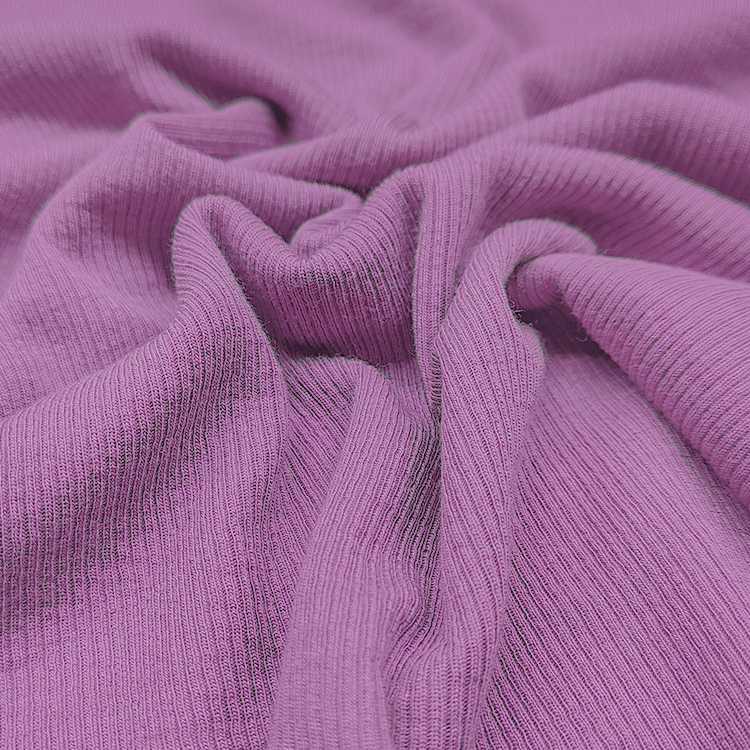
Choosing the right rib fabric for t-shirts is essential for achieving comfort, durability, and professional appearance in your garment production. Whether you're a manufacturer, designer, or retailer, understanding what makes quality rib fabric distinct directly impacts your product success. Rib fabric serves as the foundation for necklines, cuffs, and hemlines, requiring specific material properties that balance stretch, recovery, and breathability. This guide explores the critical factors that define superior rib fabric and how to select options that meet your exact production needs.
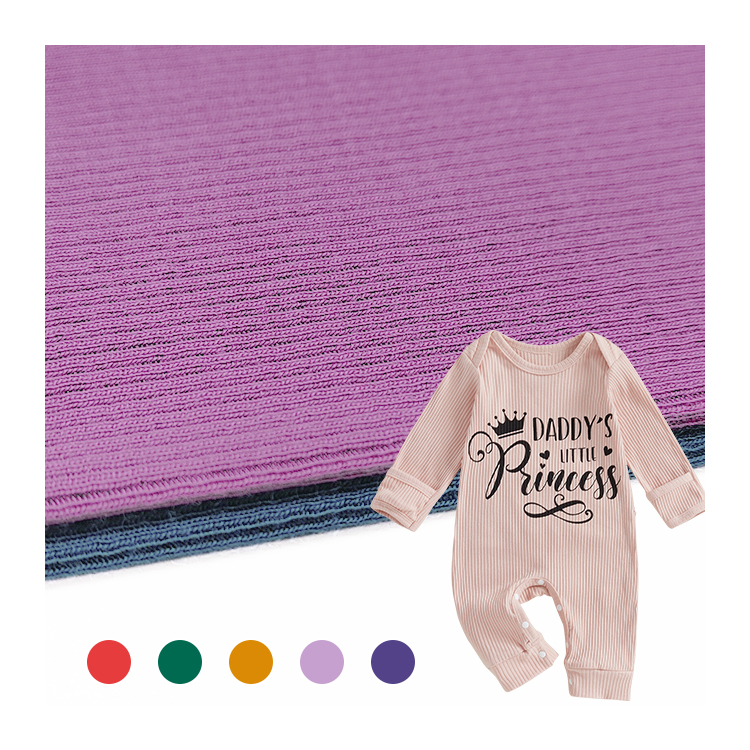
The global apparel industry increasingly recognizes that rib fabric quality directly correlates with finished garment performance and customer satisfaction. Every manufacturer and designer faces the same challenge: identifying reliable rib fabric suppliers that consistently deliver the right combination of elasticity, softness, and structural integrity. This buying guide provides the framework you need to evaluate rib fabric options, understand material specifications, and make informed purchasing decisions that align with your brand standards and production timelines.
Understanding Core Properties of Rib Fabric
Composition and Material Structure
Rib fabric derives its distinctive characteristics from its unique knit pattern, which creates raised vertical lines running perpendicular to the fabric surface. The construction of rib fabric typically combines natural fibers such as cotton with synthetic materials like elastane or spandex to achieve the elasticity required for t-shirt applications. Cotton content in rib fabric typically ranges from eighty to ninety-five percent, while elastane comprises five to twenty percent depending on the intended stretch requirements. Understanding the fiber composition of rib fabric is crucial because it directly influences how the finished t-shirt will perform during wear, washing, and multiple seasons of use.
The thickness and density of rib fabric determine how well it will hold its shape on t-shirt necklines and cuffs. Premium rib fabric maintains consistent weight throughout production runs, preventing variations that could result in uneven stretching or puckering. When evaluating potential rib fabric sources, request specification sheets that detail fiber percentages, weight measurements in grams per square meter, and elastane type. This transparency ensures that rib fabric meets your exact production standards and allows for quality consistency across multiple orders.
Stretch and Recovery Capabilities
Stretch performance distinguishes high-quality rib fabric from inferior alternatives in the marketplace. Professional rib fabric should recover to its original shape after being stretched, ensuring that t-shirt necklines remain snug and properly fitted after dozens of wash cycles. The elastane composition within rib fabric directly impacts recovery speed and durability, with higher-quality formulations maintaining shape retention even after extended use. Many manufacturers specify recovery rates for their rib fabric products, indicating what percentage of original dimensions the fabric will return to after stretching.
Testing rib fabric for stretch consistency requires pulling test samples in both lengthwise and crosswise directions, noting resistance and comparing results across multiple samples from the same production batch. Superior rib fabric demonstrates balanced stretch behavior in both directions, while compromised products may show irregular elasticity patterns. When ordering rib fabric for production, always request sample testing opportunities before committing to bulk orders, allowing your quality team to validate that rib fabric meets your specific stretch requirements and performance expectations.
Quality Factors That Define Premium Rib Fabric
Softness and Hand Feel
The tactile experience of rib fabric significantly influences customer perception and purchase decisions for finished t-shirts. Premium rib fabric achieves softness through carefully controlled fiber selection, yarn twist, and finishing processes that enhance skin compatibility without compromising structural integrity. Rib fabric that feels overly stiff or rough typically indicates inadequate fiber quality or insufficient finishing treatment, suggesting that the material will not provide the comfort customers expect from premium apparel. When evaluating potential rib fabric suppliers, request physical samples that you can assess personally, running your hands across the fabric to evaluate its inherent softness.
Finishing processes applied to rib fabric dramatically influence final hand feel, with some manufacturers employing enzyme treatments, sanforization, or specialized chemical processes to enhance softness and reduce pilling tendency. Rib fabric treated with quality finishing produces t-shirts that feel luxurious from the first wear, while inadequately finished rib fabric tends to feel harsh and becomes uncomfortable during extended wear. The investment in premium finishing processes for rib fabric ultimately justifies itself through improved customer satisfaction and reduced returns related to comfort complaints.
Color Fastness and Durability
Color retention stands as a critical quality metric for any rib fabric intended for t-shirt production, as fading or bleeding compromises the aesthetic appeal of finished garments over time. Superior rib fabric undergoes dyeing processes using high-quality dyes specifically formulated to bond permanently with cotton and elastane fibers, ensuring that colors remain vibrant through multiple wash cycles and extended sun exposure. Manufacturers should provide color fastness ratings for their rib fabric products, typically expressed in wash cycles or lightfastness grades, allowing you to verify durability against your specific market requirements.
Testing rib fabric for color fastness involves subjecting samples to standardized wash and light exposure protocols, comparing before and after photographs to identify any visible fading or bleeding to adjacent fabrics. Rib fabric that demonstrates poor color fastness creates liability issues for your brand and generates customer dissatisfaction that extends beyond initial purchase experience. When establishing supplier relationships, always request comprehensive testing data on rib fabric color retention, ensuring that your chosen material will maintain appearance standards throughout the intended product lifespan.
Practical Buying Considerations for Rib Fabric Selection
Minimum Order Quantities and Lead Times
Sourcing reliable rib fabric requires understanding the commercial realities of fabric production, including minimum order quantities that vary significantly among suppliers. Many premium rib fabric manufacturers establish minimum orders between five hundred to two thousand kilograms per color and construction type, reflecting the capital investment required to set up production runs. Understanding these thresholds helps you align purchasing strategy with production capacity and working capital constraints, preventing inventory challenges or supply interruptions. Experienced rib fabric suppliers typically provide transparent information about minimum quantities, allowing you to plan procurement cycles that balance inventory costs against production needs.
Lead times for rib fabric production typically range from three to eight weeks depending on complexity, dye requirements, and current supplier capacity. Rush orders for rib fabric incur additional charges that can substantially impact per-unit costs, making advance planning essential for maintaining healthy margins. When establishing long-term rib fabric sourcing relationships, discuss capacity commitments and lead time guarantees, ensuring that your supplier can reliably meet seasonal demand fluctuations without creating production delays.
Price Evaluation and Value Assessment
Evaluating rib fabric pricing requires looking beyond per-kilogram costs to understand the total value proposition offered by different suppliers. Premium rib fabric commands higher prices due to superior fiber quality, precise manufacturing controls, and rigorous quality assurance processes that reduce rejection rates and production waste. Calculating the true cost of rib fabric includes factoring in yield rates, shrinkage characteristics, and defect percentages, as lower-priced rib fabric often generates higher processing costs and customer returns. Experienced procurement teams develop total cost models for rib fabric that account for these variables, enabling accurate comparison between supplier options.
Negotiating favorable pricing on rib fabric becomes possible when demonstrating long-term commitment and volume potential to suppliers. Establishing open communication about your production forecast and seasonal patterns allows rib fabric suppliers to plan capacity investments that support competitive pricing. Building collaborative relationships with trusted rib fabric manufacturers often yields better pricing than seeking the lowest quoted rate, as suppliers reciprocate loyalty through priority access during supply constraints and willingness to customize specifications.
FAQ
What percentage of elastane should quality rib fabric contain?
Premium rib fabric typically contains between five and twenty percent elastane, with most applications requiring ten to fifteen percent for optimal stretch and recovery characteristics. The ideal elastane content depends on your specific application, with t-shirt necklines often requiring higher elastane percentages than hemlines or cuffs. Your supplier should clearly specify elastane content for each rib fabric option, allowing you to select material matching your exact performance requirements.
How can I test rib fabric quality before placing large orders?
Request sample swatches and production specifications from potential rib fabric suppliers, then conduct testing that includes stretch evaluation, color fastness validation, and hand feel assessment. Many suppliers provide sample sets at no cost for qualified buyers, allowing you to evaluate multiple rib fabric options before committing to bulk purchases. Sending samples to your quality laboratory for standardized testing ensures that rib fabric meets your specifications before entering full production.
What washing conditions should rib fabric withstand for t-shirt applications?
Professional rib fabric for t-shirts should maintain dimensional stability and color retention through repeated washing in hot water cycles, as most customers wash t-shirts using standard household methods. Quality rib fabric should survive at least fifty to one hundred wash cycles without significant shrinkage, pilling, or color fading. Request validation data from your rib fabric supplier confirming durability standards that match typical customer usage patterns and your brand's warranty commitments.