Ponte Roma Fabric Cost Analysis: Price Benefits and Manufacturing Value

Get a Free Quote

Our representative will contact you soon.
Email
Name
Company Name
Message
0/1000

ponte roma cost

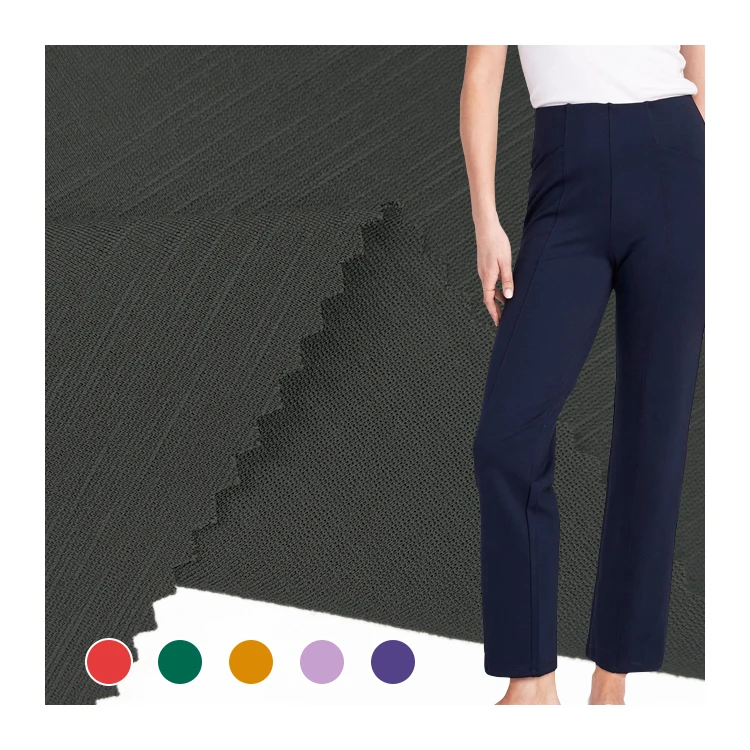
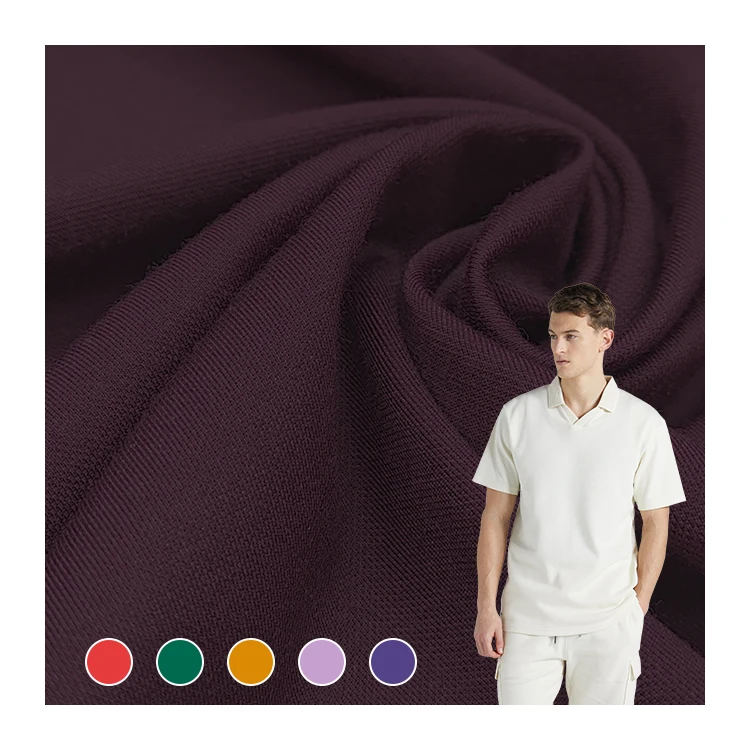
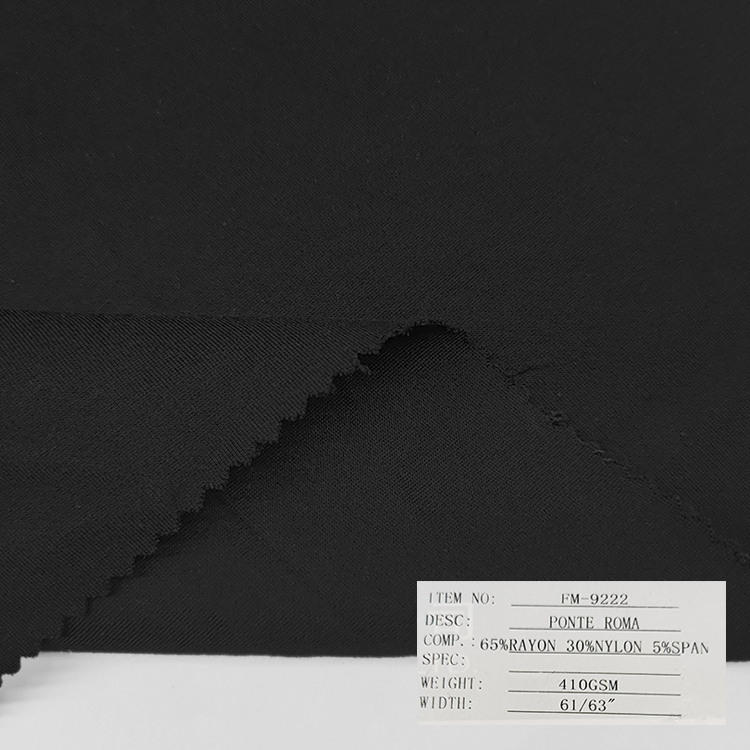
Ponte Roma cost represents a significant consideration in the textile and fashion manufacturing industry, particularly when dealing with this versatile double-knit fabric. The cost structure of Ponte Roma fabric varies depending on several factors, including material composition, manufacturing processes, and quantity ordered. Typically made from a blend of rayon, polyester, and spandex, this fabric offers exceptional durability and structure while maintaining comfort and flexibility. The manufacturing process involves specialized knitting machines that create a stable, double-knit construction, which influences the final cost. Quality Ponte Roma fabric generally ranges from $8 to $25 per yard, with premium versions reaching higher price points. The cost factors include raw material quality, production volume, finishing treatments, and supplier margins. Additionally, the fabric's weight and thickness, which usually falls between 8-12 ounces per square yard, can impact pricing. Understanding Ponte Roma cost is crucial for fashion designers, manufacturers, and businesses as it directly affects product pricing and profit margins. The investment in quality Ponte Roma fabric often justifies itself through the material's longevity, versatility, and consumer satisfaction.

Popular Products

The cost effectiveness of Ponte Roma fabric presents numerous advantages that make it a smart investment for both manufacturers and consumers. First, its exceptional durability means garments last longer, reducing the cost per wear and minimizing replacement needs. The fabric's stability eliminates the need for lining in many applications, saving both material and labor costs in garment production. Its wrinkle-resistant properties reduce maintenance costs and time investment for end users. The versatile nature of Ponte Roma allows for efficient fabric utilization during cutting and manufacturing, minimizing waste and optimizing material costs. From a production standpoint, the fabric's consistent behavior during sewing reduces manufacturing errors and associated costs. The material's color retention capabilities ensure garments maintain their appearance longer, enhancing customer satisfaction and reducing returns. Additionally, the fabric's year-round wearability makes it a cost-effective choice for seasonal collections. The relatively stable pricing structure of Ponte Roma helps in long-term budget planning for manufacturers. Its blend of synthetic fibers offers a more affordable alternative to pure natural fabrics while maintaining professional appearance and comfort. The fabric's adaptability to various garment styles maximizes its value in production planning. These cost advantages, combined with the fabric's performance characteristics, make Ponte Roma an economically sound choice for fashion businesses.

Practical Tips

New Trends Texture Fabric From Yongshu / Feimei - Perfect for Your Collection

12

Nov

New Trends Texture Fabric From Yongshu / Feimei - Perfect for Your Collection

View More
Yongshu / Feimei Knitting Fabric Factory: Your Global Partner for Premium Knit Fabrics

12

Nov

Yongshu / Feimei Knitting Fabric Factory: Your Global Partner for Premium Knit Fabrics

View More
Your One-Stop Knitted Fabric Partner for South America | Fast Delivery & OEM

12

Nov

Your One-Stop Knitted Fabric Partner for South America | Fast Delivery & OEM

View More
3-in-1 Fabric Excellence: Wholesale, Casual wear & Baby Textiles at Unbeatable Prices - Feimei Knitting/Yongshu

12

Nov

3-in-1 Fabric Excellence: Wholesale, Casual wear & Baby Textiles at Unbeatable Prices - Feimei Knitting/Yongshu

View More

Get a Free Quote

Our representative will contact you soon.
Email
Name
Company Name
Message
0/1000

ponte roma cost

Cost-Efficient Manufacturing Process

Cost-Efficient Manufacturing Process

The manufacturing process of Ponte Roma fabric represents a significant cost advantage in textile production. The specialized double-knit construction, while requiring specific machinery, allows for efficient large-scale production that optimizes resource utilization. The manufacturing setup enables continuous production runs, reducing per-unit costs through economies of scale. Modern manufacturing techniques have streamlined the production process, minimizing labor costs while maintaining high-quality standards. The fabric's consistent structure reduces quality control issues, leading to fewer rejections and better yield rates. These manufacturing efficiencies translate to competitive pricing for bulk orders, making it an attractive option for fashion brands and manufacturers.
Value-Based Price Point Positioning

Value-Based Price Point Positioning

Ponte Roma's price positioning offers exceptional value proposition in the textile market. The fabric's cost structure allows manufacturers to achieve attractive profit margins while maintaining competitive retail prices. The material's quality-to-price ratio exceeds that of many comparable fabrics, making it an economical choice for both high-end and mid-range fashion products. The price point flexibility enables brands to target different market segments effectively. The fabric's positioning as a premium yet accessible material helps manufacturers maintain profitable operations while meeting consumer expectations for quality and affordability.
Long-term Cost Benefits

Long-term Cost Benefits

The long-term cost benefits of Ponte Roma fabric extend beyond initial purchase price. Its durability significantly reduces the cost per use, making it an economical choice for both manufacturers and consumers. The fabric's resistance to wear and tear minimizes warranty claims and returns, reducing after-sales service costs. Its low maintenance requirements save on cleaning and care costs throughout the garment's lifecycle. The material's color fastness and shape retention properties ensure longer product life, enhancing customer satisfaction and brand loyalty. These long-term benefits contribute to reduced total ownership costs and improved product lifecycle economics.