
 EN


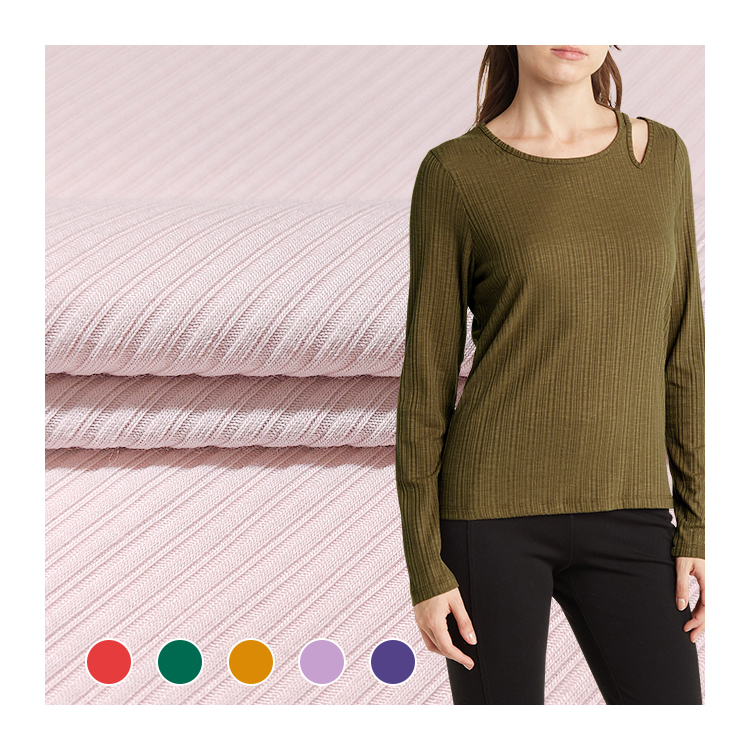
The choice of material significantly impacts the comfort, durability, and appeal of apparel. Among the many textile options available, rib fabric stands out as a versatile and highly sought-after choice for manufacturers and consumers alike. Understanding what makes rib fabric special, how it performs, and where it excels can help you make informed decisions about garment production and fabric selection. This comprehensive guide explores the key benefits of rib fabric, its best applications, and why it has become a staple in the fashion and textile industry.
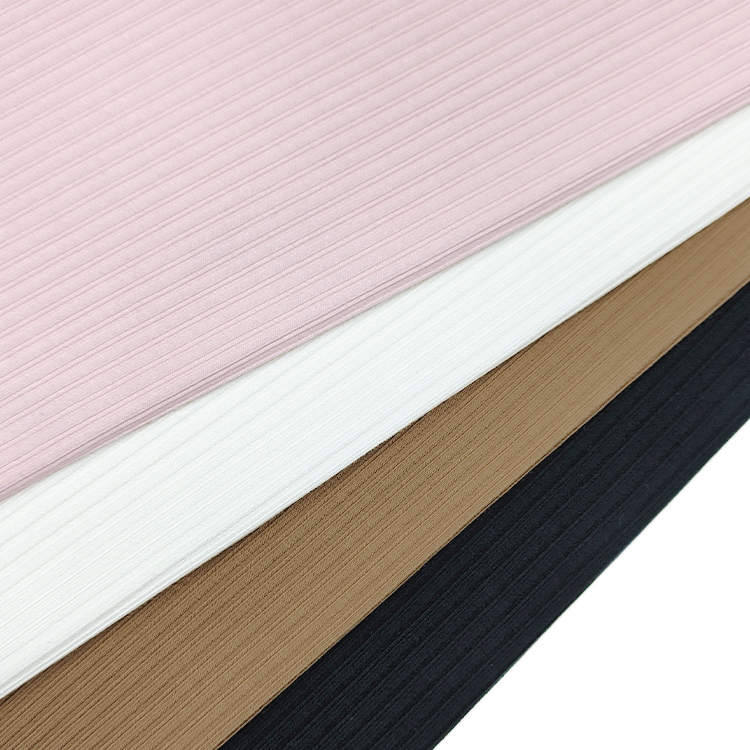
Modern consumers demand garments that offer both style and functionality. Rib fabric delivers on both fronts, providing elastic recovery, breathability, and a refined aesthetic that appeals across multiple demographics. Whether you are developing a new product line, sourcing materials for manufacturing, or simply learning about textile options, this guide will equip you with practical knowledge about rib fabric characteristics and its ideal use cases in contemporary apparel production.
Understanding Rib Fabric Structure and Composition
What Defines Rib Fabric
Rib fabric is characterized by its distinctive vertical raised lines or cords that run along the fabric surface. These ribs are created through a specific knit construction method where certain yarn feeds are lifted above others, producing the signature textured appearance. The structure of rib fabric makes it fundamentally different from smooth jersey knits, offering unique mechanical and aesthetic properties that suit specialized applications.
The fundamental appeal of rib fabric lies in its construction efficiency and stretch characteristics. Unlike flat knit fabrics, rib fabric incorporates alternating knit and purl stitches arranged in vertical columns. This structural arrangement gives rib fabric superior elasticity and recovery, allowing garments to stretch and return to their original shape reliably. The vertical rib pattern also creates visual interest and texture that elevates the perceived quality of finished garments.
Modal and Cotton Blends in Rib Fabric
Many modern rib fabric options combine modal fibers with cotton or other natural materials. Modal fibers are semi-synthetic cellulose fibers known for their softness, breathability, and moisture-wicking properties. When blended with cotton, rib fabric gains enhanced durability while maintaining the luxurious feel that modal provides. This combination creates rib fabric that performs exceptionally well in demanding applications while delivering superior comfort to end users.
The addition of modal to cotton-based rib fabric also improves color retention and reduces pilling, a common concern with pure cotton knits. Rib fabric with modal content demonstrates better shape retention over repeated wear and washing cycles. This makes such rib fabric particularly valuable for manufacturers focused on product longevity and customer satisfaction in competitive apparel markets.
Key Benefits of Rib Fabric for Apparel
Comfort and Fit Performance
The elastic nature of rib fabric ensures that garments conform naturally to body contours without feeling restrictive. Unlike rigid or loosely fitting fabrics, rib fabric hugs the body while allowing freedom of movement. This balanced fit is particularly valuable for fitted tees, tank tops, base layers, and athletic wear where both comfort and aesthetic appeal matter. The stretch recovery of quality rib fabric means garments maintain their shape even after extended wear and multiple washings.
Consumers increasingly value garments that feel as good as they look, and rib fabric delivers consistently on this expectation. The softness achieved through modal-cotton blends in premium rib fabric creates a pleasant tactile experience that encourages repeat purchases. When manufacturers specify rib fabric for their core product lines, they signal a commitment to quality and customer-focused design that resonates across demographic segments.
Durability and Maintenance Advantages
Quality rib fabric resists common textile problems like shrinkage, color fading, and pilling far better than many alternative knit constructions. The tightly formed rib structure itself provides inherent protection against fiber surface degradation. Garments made from premium rib fabric maintain their appearance through dozens of wash cycles, which directly extends product lifespan and increases customer satisfaction. This durability advantage translates into competitive benefits for manufacturers positioning their brands around quality and value retention.
Maintenance is another area where rib fabric excels. Most rib fabric garments require only standard home washing without special detergents or techniques. The inherent strength of the rib knit construction means that rib fabric items can handle regular machine washing without degradation. This ease of care appeals to busy consumers and commercial laundry operations, making rib fabric an economically sound choice for high-volume production environments.
Aesthetic and Market Appeal
The textured surface of rib fabric creates visual sophistication that plain jersey knits cannot match. Fashion-forward brands leverage the distinctive appearance of rib fabric to differentiate their offerings in crowded markets. Whether used for casual wear or refined basics, rib fabric products command premium positioning due to their refined look and tangible quality perception. The vertical rib pattern flatters diverse body types while maintaining contemporary styling appeal.
Best Uses and Application Scenarios for Rib Fabric
Fitted Tee Shirts and Casual Wear
Fitted t-shirts represent perhaps the most iconic and successful application of rib fabric in mass-market apparel. The stretch and recovery properties of rib fabric allow these garments to fit precisely without feeling tight or uncomfortable. Many premium casual brands build their core collections around rib fabric basics in solid colors and seasonal tones. The structured yet flexible nature of rib fabric makes it ideal for layering, a styling approach that drives multiple purchases per consumer across seasons.
Tank tops and sleeveless styles particularly benefit from rib fabric construction. The armhole stability provided by rib fabric prevents excessive stretching or sagging that commonly plagues lower-quality tank alternatives. Consumers purchasing premium rib fabric tanks expect them to maintain perfect fit and appearance through years of regular wear, and quality manufacturers consistently deliver on this expectation. The investment in quality rib fabric directly translates into reduced returns and increased brand loyalty.
Athletic and Performance Applications
Active wear manufacturers increasingly specify rib fabric for base layers and fitted performance pieces. The moisture-wicking properties of modal-enhanced rib fabric make it particularly suitable for sports and fitness applications where breathability matters. The elastic recovery of rib fabric supports natural body movement during exercise while maintaining flattering fit. Athletes and fitness enthusiasts appreciate how rib fabric garments provide support without restriction, making them ideal for both training and casual recovery wear.
Compression-style garments often employ premium rib fabric because of its strength and consistent stretch characteristics. The structural integrity of rib fabric allows designers to create garments that provide meaningful support while remaining comfortable for extended wear. Many leading athletic brands have built significant market share by positioning rib fabric as a core component of their product innovation strategy, demonstrating the material's relevance across diverse performance contexts.
Intimates and Specialized Apparel
Bra tops, sports bras, and undergarment applications increasingly incorporate rib fabric for its combination of support, comfort, and breathability. The elastic nature of rib fabric provides the containment and shaping that these applications demand while remaining gentle against skin. Specialized rib fabric options designed for intimates often incorporate additional stretch fibers or technical treatments that enhance performance. The growth in athleisure and casual intimates has dramatically expanded the market for quality rib fabric across multiple consumer segments.
Selecting and Sourcing Quality Rib Fabric
Key Quality Indicators
When sourcing rib fabric, manufacturers should evaluate fiber composition, yarn weight consistency, and knit construction precision. Premium rib fabric demonstrates uniform rib height and spacing without variations that indicate construction flaws. The hand feel of quality rib fabric should be soft yet structured, with noticeable elasticity that recovers immediately after stretching. Testing color fastness and shrinkage rates on sample lots helps verify that sourced rib fabric meets specification requirements before full production commitments.
Weight and thickness variations significantly impact how finished rib fabric garments perform. Lighter weight rib fabric suits warm-weather applications and layering pieces, while heavier rib knits work better for structured items and colder seasons. Quality suppliers provide detailed specifications for each rib fabric offering, including GSM (grams per square meter), stretch percentages, and care recommendations. Establishing clear specifications with rib fabric suppliers ensures consistency across production runs and seasons.
Partnering with Reliable Suppliers
Successful brands build relationships with rib fabric suppliers who demonstrate consistency, transparency, and responsiveness. Leading rib fabric manufacturers maintain modern dyeing and finishing facilities that support custom color development and technical treatments. Regular communication with rib fabric suppliers helps manufacturers stay informed about new fiber options, construction innovations, and market trends that might enhance product competitiveness. Long-term partnerships with proven rib fabric sources reduce supply chain risk and enable collaborative product development initiatives.
Care and Maintenance of Rib Fabric Garments
Washing and Drying Best Practices
Most rib fabric garments benefit from gentle machine washing in cool water with mild detergent to preserve color and elasticity. Turning garments inside out before washing protects the outer surface of rib fabric from friction-related wear. Air drying is recommended for premium rib fabric items to maintain optimal elasticity and prevent shrinkage. While many modern rib fabric options tolerate machine drying, heat exposure can gradually reduce the performance characteristics that make quality rib fabric valuable.
Storage conditions also influence long-term performance of rib fabric garments. Flat storage is generally preferable to hanging for rib fabric items, as prolonged hanging can stretch knit structures over time. Keeping rib fabric garments in cool, dry environments away from direct sunlight preserves color vibrancy and material integrity. Proper care of rib fabric ensures that expensive pieces maintain quality and appearance for years, maximizing the return on investment for consumers and reinforcing brand reputation for durability.
FAQ
What is the difference between rib fabric and jersey knit?
The primary difference lies in construction. Jersey knit consists of uniform knit stitches that create a smooth surface, while rib fabric features alternating knit and purl stitches arranged vertically, producing raised ribs. Rib fabric offers superior elasticity, recovery, and visual texture compared to jersey. Rib fabric also resists rolling at edges and provides better shape retention, making it preferable for fitted garments and applications requiring consistent structure and support.
Is rib fabric suitable for all seasons?
Yes, though weight and fiber composition determine seasonal appropriateness. Lightweight rib fabric blended with breathable modal works well for warm weather and layering, while heavier rib fabric suits cooler seasons. Many manufacturers source different weight options of rib fabric to support year-round product availability. The versatility of rib fabric across weight categories makes it a reliable choice for brands seeking to maintain consistent quality across seasonal collections.
How should I specify rib fabric when sourcing from manufacturers?
Provide detailed specifications including fiber content, weight (GSM), color requirements, stretch percentage, and intended application. Request sample swatches and testing data for color fastness and shrinkage. Specify care instructions that will appear on finished garments. Clear communication of expectations regarding rib fabric quality and consistency helps suppliers deliver products that meet your brand standards and customer expectations consistently.