
 EN
EN



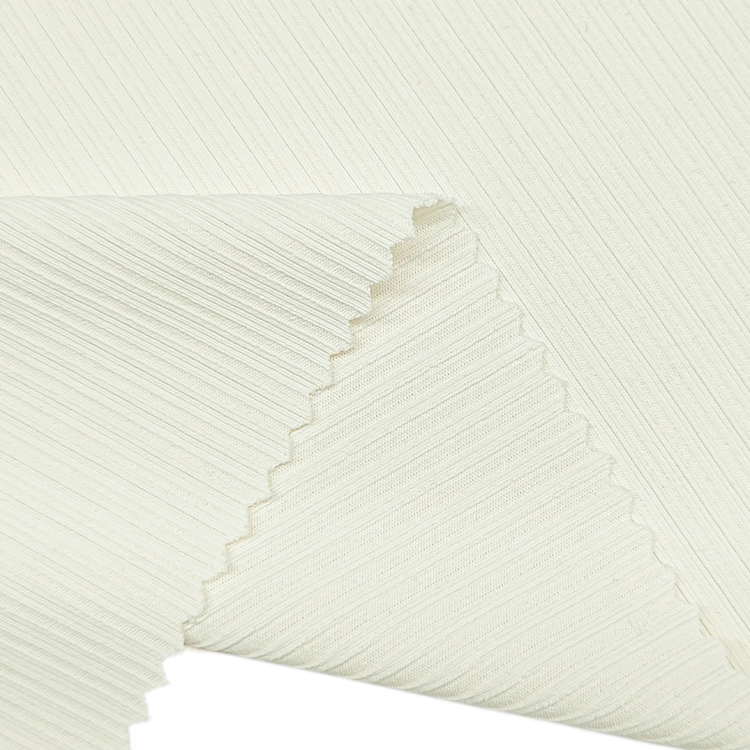
Manufacturing high-quality garments requires careful selection of materials, and rib fabric stands as one of the most versatile and essential textiles in the apparel industry. This specialized knit construction offers unique properties that make it indispensable for creating comfortable, durable, and aesthetically pleasing clothing items. Understanding the characteristics and applications of rib fabric can significantly impact your manufacturing success and product quality.
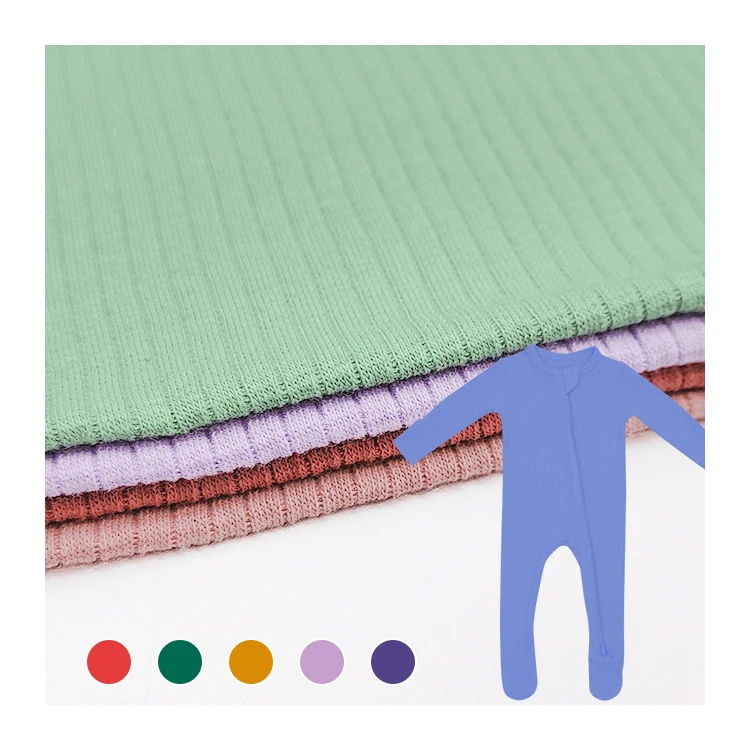
The textile manufacturing landscape has evolved considerably, with rib fabric emerging as a cornerstone material for various applications. From casual wear to athletic apparel, this fabric type provides manufacturers with exceptional flexibility in design and functionality. The distinctive ribbed texture not only adds visual appeal but also enhances the fabric's performance characteristics, making it suitable for diverse manufacturing requirements.
Understanding Rib Fabric Construction
Knitting Structure and Formation
The foundation of rib fabric lies in its unique knitting structure, which alternates between knit and purl stitches in vertical columns. This alternating pattern creates the characteristic ridged appearance that gives rib fabric its name. The construction method significantly influences the fabric's elasticity, recovery properties, and overall performance in finished garments.
Modern manufacturing techniques have refined the production of rib fabric to achieve consistent quality and enhanced performance characteristics. The knitting process involves precise control of tension, yarn feed, and needle selection to ensure uniform rib formation. Advanced machinery allows manufacturers to create various rib configurations, from basic 1x1 patterns to complex multi-gauge constructions.
Material Composition Variations
Contemporary rib fabric incorporates diverse fiber compositions to meet specific manufacturing requirements. Cotton remains a popular choice for its natural breathability and comfort, while synthetic blends offer enhanced durability and moisture-wicking properties. The selection of fiber content directly impacts the fabric's behavior during manufacturing and its performance in end-use applications.
Blended compositions have gained significant traction in manufacturing applications, combining the best attributes of different fibers. Cotton-polyester blends provide balanced performance, while cotton-spandex combinations offer superior stretch and recovery. Understanding these compositional variations enables manufacturers to select the most appropriate rib fabric for their specific production needs.
Quality Assessment Criteria
Physical Properties Evaluation
Assessing the quality of rib fabric requires comprehensive evaluation of its physical properties. Weight consistency, dimensional stability, and stretch characteristics form the foundation of quality assessment. Manufacturers must examine these properties to ensure the fabric meets production specifications and performance requirements.
Fabric weight variations can significantly impact manufacturing efficiency and final product quality. Consistent weight distribution across fabric rolls ensures uniform behavior during cutting, sewing, and finishing processes. Additionally, evaluating the fabric's recovery properties helps predict its performance in garments subjected to repeated stretching and washing cycles.
Surface Quality and Appearance
Visual inspection plays a crucial role in rib fabric quality assessment. Surface uniformity, color consistency, and absence of defects are essential criteria for manufacturing applications. High-quality rib fabric exhibits consistent rib definition, smooth surface texture, and uniform coloration throughout the fabric length.
Defect identification requires systematic examination for issues such as dropped stitches, uneven tensioning, or color variations. These defects can compromise the manufacturing process and result in substandard finished products. Establishing clear quality standards and inspection protocols ensures consistent fabric quality for manufacturing operations.
Manufacturing Applications and Benefits
Garment Construction Advantages
Rib fabric offers numerous advantages in garment construction, making it a preferred choice for various applications. The fabric's natural stretch properties facilitate comfortable fit and ease of movement, while its recovery characteristics maintain garment shape over time. These properties make rib fabric particularly suitable for fitted garments and activewear applications.
The versatility of rib fabric extends to its compatibility with various construction techniques. It performs well in both cut-and-sew operations and seamless manufacturing processes. The fabric's stability during handling reduces production challenges and enhances manufacturing efficiency, contributing to overall cost-effectiveness in production operations.
Design Flexibility and Styling Options
Contemporary rib fabric manufacturing has expanded design possibilities through innovative construction techniques and finishing processes. Various rib gauges and patterns create distinct visual textures, enabling designers to achieve specific aesthetic goals in their products. The fabric's adaptability to different dyeing and printing processes further enhances design flexibility.
Advanced manufacturing technologies have introduced new possibilities for rib fabric customization. Engineered stretch properties, moisture management features, and specialized finishes can be incorporated during the manufacturing process. These enhancements allow manufacturers to create specialized rib fabric variants tailored to specific market segments and applications.
Selection Guidelines for Manufacturers
Application-Specific Requirements
Successful rib fabric selection requires careful consideration of the intended application and performance requirements. Different garment categories demand specific fabric characteristics, from casual wear requiring comfort and durability to athletic wear needing moisture management and stretch properties. Understanding these requirements guides manufacturers toward optimal fabric choices.
Manufacturing volume and production timeline considerations also influence fabric selection decisions. Large-scale production requires consistent fabric availability and predictable performance characteristics. Establishing relationships with reliable rib fabric suppliers ensures steady material flow and consistent quality for ongoing manufacturing operations.
Cost-Performance Balance
Achieving optimal cost-performance balance in rib fabric selection requires comprehensive evaluation of material costs, manufacturing efficiency, and end-product value. While premium fabrics may command higher initial costs, their superior performance characteristics often result in improved manufacturing efficiency and enhanced product quality.
Long-term cost considerations include fabric durability, processing requirements, and waste generation during manufacturing. High-quality rib fabric typically exhibits better cutting efficiency, reduced defect rates, and improved sewing performance, contributing to overall manufacturing cost reduction despite higher material costs.
Processing and Handling Considerations
Pre-Production Preparation
Proper pre-production preparation is essential for successful rib fabric manufacturing applications. Fabric relaxation and conditioning help stabilize dimensions and reduce potential distortion during processing. Establishing appropriate storage conditions maintains fabric quality and prevents deterioration before manufacturing begins.
Quality control procedures during fabric receiving ensure that materials meet specified requirements before entering the production process. Systematic inspection and testing protocols identify potential issues early, preventing costly production delays and quality problems in finished products.
Manufacturing Process Optimization
Optimizing manufacturing processes for rib fabric requires understanding its unique handling characteristics. Proper tension control during cutting and sewing operations prevents distortion and ensures consistent seam quality. Machine settings and operational parameters must be adjusted to accommodate the fabric's stretch and recovery properties.
Finishing processes play a crucial role in achieving desired product characteristics with rib fabric. Heat setting, pressing, and finishing treatments must be carefully controlled to maintain the fabric's inherent properties while achieving required appearance and performance standards.
FAQ
What makes rib fabric different from other knit fabrics
Rib fabric is distinguished by its alternating knit and purl stitch construction, creating vertical ridges and superior stretch properties. This construction provides enhanced elasticity in the width direction while maintaining stability in the length direction, making it ideal for fitted garments and trim applications. The unique structure also creates visual texture and improved shape retention compared to plain knit fabrics.
How do I determine the right weight of rib fabric for my manufacturing needs
Fabric weight selection depends on your specific application requirements and seasonal considerations. Lighter weights work well for undergarments and summer apparel, while heavier weights suit outerwear and cooler weather applications. Consider factors such as drape requirements, durability needs, and cost constraints when selecting appropriate fabric weight for your manufacturing project.
What are the key quality indicators to look for when sourcing rib fabric
Key quality indicators include consistent rib definition, uniform weight distribution, appropriate stretch and recovery properties, and absence of visible defects. Check for consistent color throughout fabric rolls, proper dimensional stability, and appropriate hand feel for your intended application. Reliable suppliers should provide technical specifications and quality certifications to verify fabric performance characteristics.
Can rib fabric be used for all types of garment construction
While rib fabric is versatile, it works best for applications that benefit from its stretch properties and textured appearance. It excels in fitted garments, trim applications, cuffs, collars, and waistbands. However, it may not be suitable for loose-fitting garments or applications requiring minimal stretch. Consider the garment design and fit requirements when determining if rib fabric is appropriate for your manufacturing project.