
 EN
EN



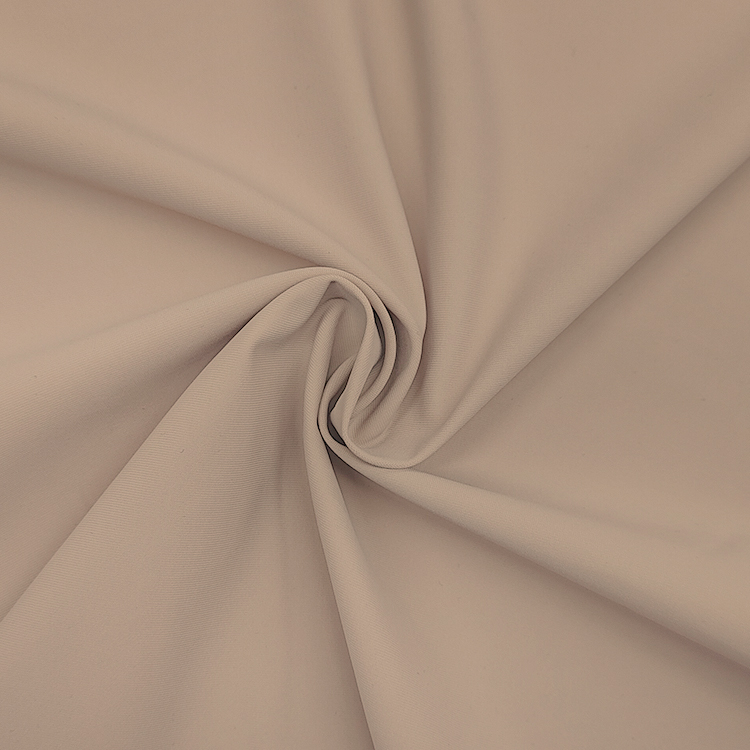
When selecting the perfect material for comfortable, durable t-shirts, jersey fabric stands out as the industry standard for its exceptional blend of stretch, breathability, and versatility. This knitted textile has revolutionized casual wear manufacturing, offering designers and consumers alike a material that adapts to body movement while maintaining its shape and appearance through countless washes. Understanding the intricacies of jersey fabric construction, fiber compositions, and performance characteristics enables manufacturers to create superior garments that meet evolving consumer demands for both comfort and style.
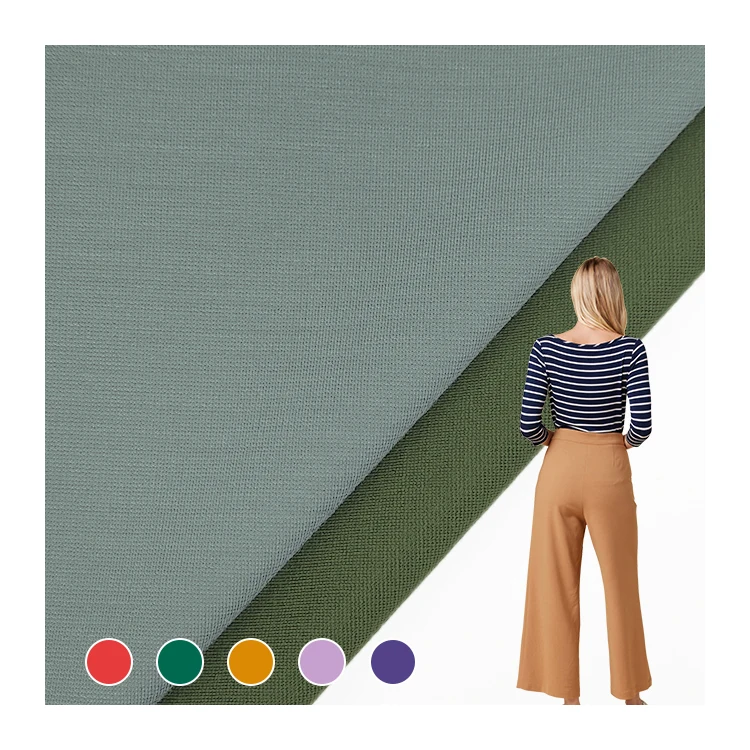
Understanding Jersey Fabric Construction
Knit Structure and Manufacturing Process
Jersey fabric derives its distinctive properties from its unique knit construction, where loops of yarn interlock in a continuous pattern creating a flexible, stretchable textile. This single-knit structure differentiates jersey from woven fabrics by allowing greater elasticity and recovery, making it ideal for garments that require movement and comfort. The manufacturing process involves specialized circular knitting machines that create seamless tubes of fabric, which are then cut and processed according to specific requirements.
The knitting technique used in jersey fabric production creates a smooth face side and a more textured reverse side, giving manufacturers options for different aesthetic finishes. Modern production methods incorporate advanced yarn feeding systems and tension controls to ensure consistent fabric weight and stretch properties throughout the manufacturing run. Quality control measures during production include monitoring stitch density, fabric width consistency, and color uniformity to meet stringent industry standards.
Fiber Composition Variations
Contemporary jersey fabric incorporates diverse fiber blends to achieve specific performance characteristics and price points. Cotton jersey remains popular for its natural breathability and softness, while synthetic blends introduce moisture-wicking properties and enhanced durability. Rayon blends offer silk-like drape and excellent dye absorption, creating vibrant colors that resist fading over time.
Polyester content in jersey fabric blends provides wrinkle resistance and quick-drying properties, making these fabrics suitable for activewear applications. Spandex or elastane additions, typically comprising two to five percent of the total fiber content, significantly enhance stretch and recovery properties without compromising the fabric's overall hand feel. These carefully engineered fiber combinations allow manufacturers to tailor fabric performance to specific end-use requirements.
Performance Characteristics and Benefits
Stretch and Recovery Properties
The inherent stretch properties of jersey fabric make it exceptionally suitable for t-shirt applications where comfort and fit are paramount considerations. This stretch capability allows garments to accommodate various body shapes and sizes while maintaining a flattering silhouette. The fabric's recovery properties ensure that stretched areas return to their original dimensions after wear, preventing permanent deformation and extending garment lifespan.
Modern jersey fabric formulations can achieve stretch percentages ranging from fifteen to forty percent in both horizontal and vertical directions, depending on the specific fiber blend and knit structure. This bidirectional stretch capability is particularly valuable in fitted t-shirt designs where the fabric must conform to body contours without restricting movement. Recovery rates typically exceed ninety percent when quality fibers and proper knitting techniques are employed.
Breathability and Comfort Features
Jersey fabric's knit structure creates natural air channels that promote ventilation and moisture management, essential features for comfortable t-shirt wear. The loose knit construction allows air circulation while the fiber properties determine moisture absorption and release characteristics. Cotton-based jersey fabrics excel in moisture absorption, while synthetic blends offer superior moisture-wicking capabilities for active wear applications.
Temperature regulation represents another significant advantage of jersey fabric in t-shirt manufacturing, as the material adapts to ambient conditions and body temperature changes. The fabric's thermal properties can be enhanced through specialized finishing treatments or fiber selections, creating garments suitable for various climatic conditions and activity levels. These comfort features contribute to jersey fabric's widespread adoption in casual wear markets.
Manufacturing Considerations and Quality Standards
Production Efficiency and Scalability
Jersey fabric production offers significant advantages in terms of manufacturing efficiency and scalability compared to woven alternatives. The knitting process generates less waste material and allows for more precise control over fabric properties during production. Circular knitting machines can produce continuous tubes of jersey fabric, reducing cutting waste and streamlining the manufacturing workflow for t-shirt production.
Quality control protocols in jersey fabric manufacturing include monitoring yarn tension, stitch formation, and dimensional stability throughout the production process. Advanced production facilities employ computerized monitoring systems that track fabric properties in real-time, ensuring consistent quality across large production runs. These technological advances enable manufacturers to meet demanding delivery schedules while maintaining superior quality standards.
Finishing Treatments and Enhancements
Post-production finishing treatments significantly impact the final performance characteristics of jersey fabric used in t-shirt manufacturing. Mechanical finishing processes such as brushing or sueding can alter surface texture and hand feel, while chemical treatments may enhance specific properties like antimicrobial protection or flame resistance. Heat setting processes stabilize dimensional properties and improve shape retention in finished garments.
Dyeing and printing compatibility represents another crucial consideration in jersey fabric finishing, as the knit structure and fiber composition influence color uptake and fastness properties. Pre-treatment processes prepare the fabric surface for optimal dye penetration and adhesion, while post-dyeing treatments lock in colors and enhance wash fastness. These finishing considerations directly impact the aesthetic durability and commercial viability of t-shirts manufactured from jersey fabric.
Selection Criteria for T-Shirt Applications
Weight and Density Specifications
Selecting appropriate jersey fabric weight represents a critical decision factor in t-shirt manufacturing, as fabric weight directly influences drape, opacity, and durability characteristics. Lightweight jersey fabrics, typically ranging from 120 to 160 grams per square meter, offer superior drape and comfort for casual wear applications. Medium-weight options, between 160 to 200 grams per square meter, provide enhanced durability and opacity for everyday wear garments.
Heavier jersey fabrics, exceeding 200 grams per square meter, deliver maximum durability and shape retention but may sacrifice some comfort characteristics in favor of longevity. The relationship between fabric weight and manufacturing costs must be carefully evaluated against target market expectations and pricing strategies. Optimal weight selection balances performance requirements with cost considerations to achieve commercial success.
Sustainability and Environmental Impact
Environmental considerations increasingly influence jersey fabric selection decisions as consumers demand more sustainable textile options. Organic cotton jersey fabrics reduce environmental impact through elimination of synthetic pesticides and fertilizers in fiber production. Recycled polyester content in jersey fabric blends diverts plastic waste from landfills while maintaining performance characteristics.
Biodegradable fiber options such as Tencel or modal provide sustainable alternatives to conventional synthetic fibers while offering enhanced moisture management and antimicrobial properties. Life cycle assessments of different jersey fabric options help manufacturers make informed decisions regarding environmental impact and sustainability claims. These considerations align with growing consumer awareness of environmental issues in textile production.
Market Trends and Innovation
Advanced Fiber Technologies
Innovation in fiber technology continues to expand the capabilities and applications of jersey fabric in t-shirt manufacturing. Smart fibers incorporating phase change materials can provide active temperature regulation, adapting to environmental conditions and wearer activity levels. Antimicrobial treatments integrated during fiber production offer long-lasting odor control without compromising fabric softness or breathability.
Moisture-wicking enhancements through fiber modification or surface treatments create jersey fabrics suitable for athletic and performance applications. These technological advances expand market opportunities for jersey fabric manufacturers while meeting evolving consumer expectations for functional textiles. Integration of these innovations requires careful balance between performance enhancement and cost considerations.
Customization and Specialty Applications
Growing demand for customized and specialty t-shirts drives innovation in jersey fabric development and production capabilities. Digital printing compatibility requires specific surface treatments and fiber compositions to achieve optimal print quality and durability. Stretch recovery properties become critical in fitted designs where precise sizing and shape retention are essential.
Specialty applications such as UV protection, flame resistance, or enhanced durability require targeted fiber selections and finishing treatments. These niche markets often command premium pricing while requiring specialized knowledge and manufacturing capabilities. Success in specialty jersey fabric markets depends on deep understanding of application requirements and technical expertise in fabric development.
FAQ
What makes jersey fabric ideal for t-shirt manufacturing compared to other textile options?
Jersey fabric offers superior stretch and recovery properties that allow t-shirts to maintain their shape while providing exceptional comfort and fit. The knit construction creates natural breathability and moisture management capabilities that enhance wearer comfort across various conditions. Additionally, jersey fabric manufacturing processes generate less waste and offer greater production efficiency compared to woven alternatives, making it both environmentally and economically advantageous for t-shirt production.
How do different fiber blends affect the performance characteristics of jersey fabric?
Fiber composition significantly impacts jersey fabric performance, with cotton providing natural breathability and softness while synthetic fibers contribute moisture-wicking and quick-drying properties. Spandex content enhances stretch and recovery capabilities, while rayon offers improved drape and color absorption. The optimal fiber blend depends on intended use, with activewear requiring higher synthetic content for moisture management and casual wear benefiting from cotton comfort characteristics.
What weight range is most suitable for different t-shirt applications?
Lightweight jersey fabrics between 120-160 GSM work best for fashion-forward and fitted t-shirts where drape and comfort are priorities. Medium-weight fabrics ranging from 160-200 GSM provide the ideal balance of durability and comfort for everyday casual wear. Heavier options exceeding 200 GSM offer maximum durability for workwear or promotional t-shirts but may sacrifice some comfort characteristics in favor of longevity and opacity.
How do sustainability considerations impact jersey fabric selection for modern t-shirt manufacturing?
Sustainability concerns drive increased adoption of organic cotton, recycled polyester, and biodegradable fiber options in jersey fabric production. These materials reduce environmental impact while often providing enhanced performance characteristics such as improved moisture management or antimicrobial properties. Manufacturers must balance sustainability goals with performance requirements and cost considerations, often requiring life cycle assessments to make informed decisions about environmental impact and market positioning.
Table of Contents
- Understanding Jersey Fabric Construction
- Performance Characteristics and Benefits
- Manufacturing Considerations and Quality Standards
- Selection Criteria for T-Shirt Applications
- Market Trends and Innovation
-
FAQ
- What makes jersey fabric ideal for t-shirt manufacturing compared to other textile options?
- How do different fiber blends affect the performance characteristics of jersey fabric?
- What weight range is most suitable for different t-shirt applications?
- How do sustainability considerations impact jersey fabric selection for modern t-shirt manufacturing?