
 EN
EN


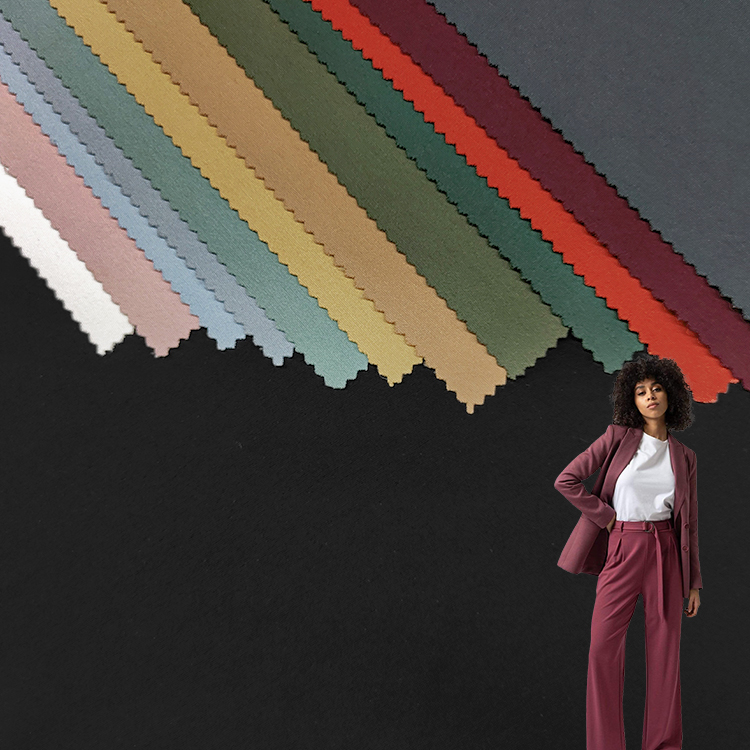
Selecting the right roma fabric for your DIY projects is essential to creating pieces that last, feel comfortable, and meet your creative vision. Whether you're crafting hoodies, blankets, loungewear, or home décor items, the quality of roma fabric you choose directly impacts the final result. Many DIY enthusiasts overlook the importance of understanding fabric characteristics, construction methods, and material composition, leading to disappointing outcomes. This guide will help you navigate the process of choosing quality roma fabric that aligns with your project goals and budget constraints.
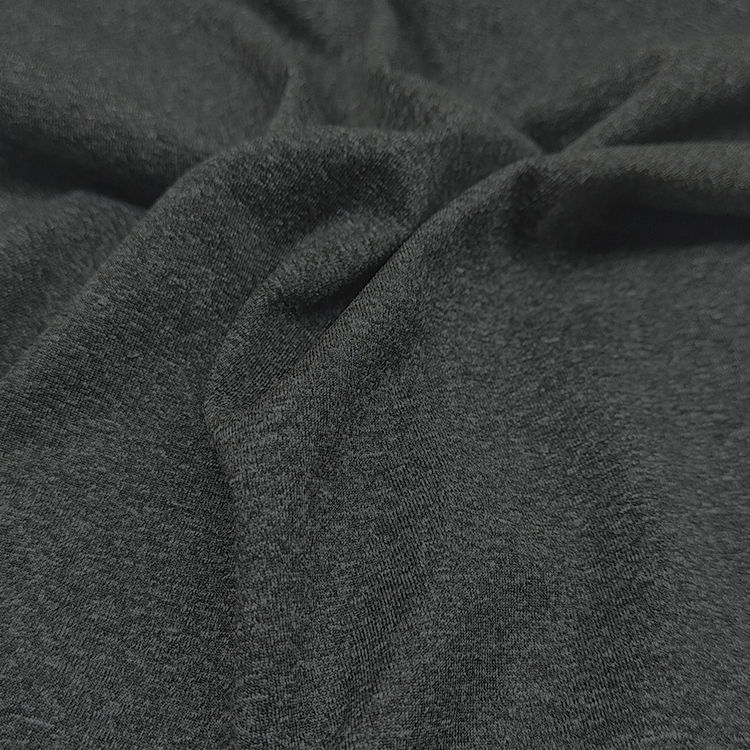
Roma fabric has become a favorite choice among DIY crafters because it combines versatility, durability, and comfort in one material. Understanding what differentiates premium roma fabric from lower-grade alternatives will save you time and money while ensuring your projects succeed. By learning to evaluate roma fabric quality through practical assessment methods, you'll make confident purchasing decisions that yield exceptional DIY results.
Understanding Roma Fabric Composition and Weight
Material Structure and Fiber Content
Roma fabric typically consists of high-quality cotton or cotton-blend fibers that create a soft, durable surface ideal for DIY applications. The composition of roma fabric determines how it performs during cutting, sewing, and wearing. Premium roma fabric uses tightly woven fibers that resist pilling, fraying, and excessive shrinkage. When examining roma fabric samples, look for consistent fiber density throughout the material rather than loose or irregular weaving patterns. The best roma fabric for DIY projects maintains its shape and structure even after multiple wash cycles, making it reliable for long-term use.
Weight and Density Considerations
The weight of roma fabric significantly affects how well it performs in different project types. Lightweight roma fabric works better for summer clothing and delicate items, while heavier roma fabric suits hoodies, outerwear, and upholstered projects. Quality roma fabric weight should be consistent across the entire bolt, indicating uniform manufacturing standards. A well-made roma fabric will feel substantial without being stiff or uncomfortable against skin. DIY crafters should select roma fabric weight based on their specific project requirements and intended wear conditions.
Evaluating Visual and Tactile Quality Indicators
Color Consistency and Finish Quality
Premium roma fabric displays uniform color throughout without streaking, fading, or uneven dye distribution. Examine roma fabric samples under natural and artificial light to ensure the color remains consistent and true to the product description. High-quality roma fabric maintains vibrant colors after washing when produced using proper dyeing techniques. The surface finish should be smooth and uniform, without visible defects, rough patches, or manufacturing imperfections. When comparing roma fabric options, prioritize samples with even color saturation and professional-grade finish quality.
Texture and Softness Assessment
The tactile qualities of roma fabric play a crucial role in DIY project success, especially for wearable items and home goods. Quality roma fabric feels soft to the touch without being flimsy or overly thin, providing comfort and durability simultaneously. Run your fingers across the roma fabric surface to detect any roughness, pilling, or loose fibers that indicate poor manufacturing. Premium roma fabric maintains consistent texture throughout, without stiff areas or patches that feel different from surrounding sections. For DIY projects that involve prolonged skin contact, selecting roma fabric with superior softness and comfort characteristics becomes even more important.
Durability and Performance Testing Methods
Shrinkage and Colorfastness Testing
Before committing to large quantities of roma fabric, conduct simple durability tests on small samples. Wash a roma fabric swatch in warm water using standard detergent, then measure any dimensional changes after drying to assess shrinkage rates. Quality roma fabric should experience minimal shrinkage, typically less than three percent, after standard washing. Test colorfastness by washing roma fabric samples with white fabric to check if dyes bleed or transfer. Premium roma fabric resists color fading after multiple wash cycles, maintaining its original appearance throughout the project's lifespan.
Seam Strength and Wear Resistance
Examine how roma fabric responds to needle penetration and stress when sewn on your machine at standard settings. High-quality roma fabric accepts stitches cleanly without puckering, gathering, or distorting along seam lines. Flex and bend small sewn samples of roma fabric to ensure seams remain intact and strong under normal use conditions. Quality roma fabric resists fraying at edges and maintains structural integrity even when stretched or stressed. For DIY projects that will experience frequent movement or stress, selecting roma fabric with proven seam strength becomes essential for long-term durability.
Practical Selection Criteria for Different DIY Projects
Project-Specific Roma Fabric Requirements
Different DIY projects demand different roma fabric characteristics based on their intended function and use patterns. Hoodies and sweatshirts require roma fabric with excellent insulation properties and durability against frequent washing. Blankets and throw projects benefit from roma fabric that maintains softness and loft through extended use. Home décor applications need roma fabric with color stability and resistance to fading from sunlight exposure. Evaluate each project's specific demands before selecting roma fabric samples to compare. Taking time to match roma fabric specifications to project requirements ensures superior results and customer satisfaction.
Budget Optimization Without Compromising Quality
Quality roma fabric doesn't always require premium pricing when you understand what to look for in manufacturing standards and material composition. Compare roma fabric options from multiple suppliers, evaluating weight, composition, and durability features rather than price alone. Bulk purchasing of roma fabric often reduces per-yard costs while maintaining quality standards. Establish relationships with reliable suppliers of roma fabric who consistently deliver products meeting your standards. Balancing budget constraints with quality assurance ensures you create DIY projects that satisfy both your wallet and creative ambitions.
FAQ
What weight of roma fabric works best for beginner DIY sewers?
Beginners typically find mid-weight roma fabric most forgiving and easier to work with during initial projects. Mid-weight roma fabric provides enough body to handle standard sewing machine tension without puckering or distorting. This roma fabric weight is substantial enough to hide minor sewing imperfections while remaining easy to cut and manipulate by hand. Avoid very lightweight or heavy roma fabric until you've developed core sewing skills with standard-weight options.
How can I verify roma fabric quality before making a large purchase?
Always request roma fabric samples from suppliers before committing to bulk orders, then conduct washing and durability tests on small pieces. Perform the shrinkage test, colorfastness test, and seam strength evaluation described in this guide to assess roma fabric performance. Photograph roma fabric samples in various lighting conditions and compare color consistency against product descriptions. Contact suppliers directly to ask about their roma fabric manufacturing standards, fiber sourcing, and quality control procedures before placing large orders.
Does roma fabric require special care during storage?
Store roma fabric in a cool, dry location away from direct sunlight to prevent color fading and material degradation. Keep roma fabric on bolts or in sealed containers to protect against dust accumulation and environmental contaminants. Avoid storing roma fabric in damp basements or attics where humidity fluctuations can cause mildew or moisture damage. Proper storage conditions preserve roma fabric quality and readiness for future DIY projects.