
 EN




Loungewear has become essential in modern wardrobes, blending comfort with style for everyday wear. The foundation of exceptional loungewear lies in selecting the right rib fabric, which determines how your garments feel against the skin and how well they maintain their shape through repeated wear. Understanding rib fabric characteristics helps you make informed decisions when shopping for loungewear pieces that will serve you for years.
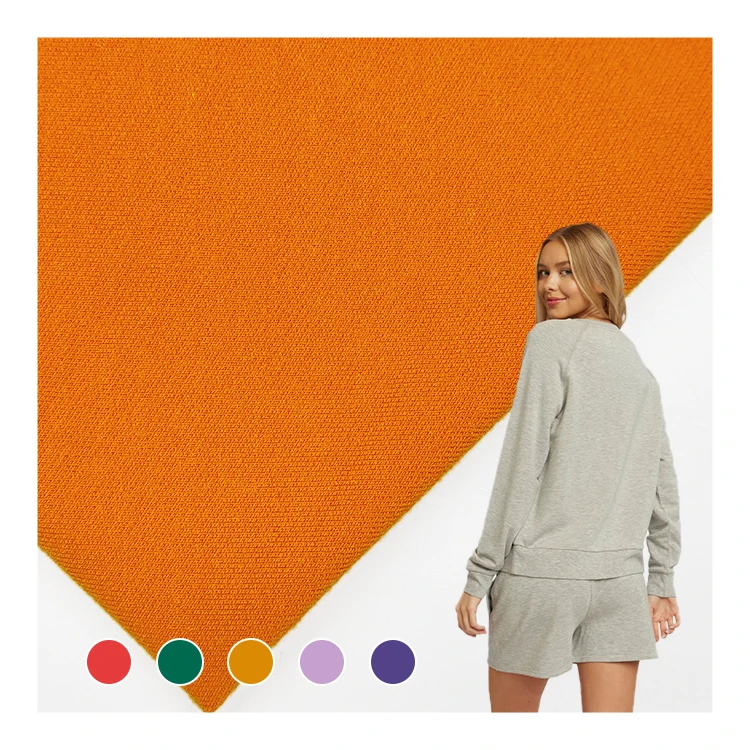
The loungewear market continues to expand as consumers recognize the value of quality clothing for relaxation and casual settings. Rib fabric has emerged as a preferred choice among manufacturers and consumers alike because of its unique blend of stretchability and durability. This comprehensive guide explores what makes rib fabric ideal for loungewear, how different fiber compositions affect performance, and practical considerations for selecting pieces that prioritize both comfort and longevity.
Understanding Rib Fabric Construction and Properties
What Defines Rib Fabric
Rib fabric is characterized by its distinctive vertical raised lines or ridges that run lengthwise through the material. These ridges are created by alternating knit and purl stitches during the weaving or knitting process, which produces a textured surface with exceptional elasticity. Rib fabric naturally stretches in multiple directions while maintaining its structure, making it ideal for garments that require both comfort and shape retention.
The construction of rib fabric provides inherent two-way or four-way stretch capabilities, depending on the specific technique used during manufacturing. This elasticity makes rib fabric forgiving around the body, adapting to different body types without restricting movement. The ridged texture also creates visual interest, adding depth and sophistication to loungewear designs that might otherwise appear flat or plain.
Performance Benefits of Rib Fabric in Loungewear
Rib fabric excels in loungewear applications because it provides superior comfort without sacrificing durability. The material's natural recovery properties ensure that garments maintain their fit and shape wash after wash, preventing the sagging or bagging that compromises loungewear aesthetics. Additionally, rib fabric offers excellent breathability, allowing air circulation that keeps the wearer comfortable during extended periods of wear.
The thermal regulation capabilities of rib fabric make it suitable for year-round loungewear. During warmer months, rib fabric allows sweat to evaporate naturally, while its insulating properties provide warmth during cooler seasons. This versatility means that a single rib fabric piece can function effectively across different climate conditions, making it a practical investment for any loungewear collection.
Fiber Content and Its Impact on Rib Fabric Performance
Viscose and Rayon Options for Premium Rib Fabric
Viscose and rayon blends significantly enhance the performance characteristics of rib fabric used in loungewear manufacturing. These semi-synthetic fibers add softness and a luxurious feel that pure cotton rib fabric cannot match. Viscose-infused rib fabric drapes beautifully while maintaining the structural integrity that makes rib fabric so desirable for loungewear pieces that need to hold their shape.
The combination of viscose with rib fabric construction creates a material that feels expensive and sophisticated while remaining practical for everyday wear. Viscose fibers also enhance moisture-wicking properties, allowing rib fabric garments to feel dry and comfortable even during light activity. When selecting loungewear, examining whether the rib fabric contains viscose or rayon helps determine the overall quality and comfort level you can expect.
Elastane and Stretch Fiber Integration
Elastane fibers, also known as spandex, are frequently blended with rib fabric to enhance stretch capability and recovery. Even small percentages of elastane in rib fabric—typically between five and ten percent—dramatically improve the fabric's ability to bounce back to its original shape after stretching. This addition ensures that your rib fabric loungewear maintains a polished appearance throughout the day, regardless of movement or position changes.
The presence of elastane in rib fabric is particularly important for garments that experience frequent washing and wearing. Without adequate elastane content, rib fabric may gradually lose its elasticity, leading to visible wear and reduced comfort. Quality loungewear manufacturers carefully balance elastane percentages to optimize rib fabric performance, ensuring customers receive pieces that remain comfortable and attractive for extended periods.
Selecting the Right Rib Fabric for Your Loungewear Needs
Weight and Density Considerations
Rib fabric comes in various weights, ranging from lightweight and delicate to heavy and substantial. Lightweight rib fabric works best for warm-weather loungewear, offering breathability and ease of movement without excessive heat retention. In contrast, heavier rib fabric provides better insulation and a more luxurious, substantial feel that many consumers prefer for year-round comfort.
The density of rib fabric affects both durability and comfort levels in loungewear applications. Higher-density rib fabric resists pilling and wear, maintaining a refined appearance after multiple wash cycles. When evaluating loungewear options, checking the fabric weight specification helps ensure you select pieces that match your climate preferences and usage patterns.
Finish and Treatment Technologies
Modern rib fabric production incorporates various finishing treatments that enhance functionality and longevity. Anti-microbial treatments prevent odor development in rib fabric loungewear, maintaining freshness between washes. Moisture-wicking finishes improve the fabric's ability to draw perspiration away from the body, enhancing comfort during extended wear periods.
Some manufacturers apply permanent-press or wrinkle-resistant treatments to rib fabric, reducing the need for frequent ironing and improving the practical appeal of loungewear items. Color-fastness treatments ensure that rib fabric maintains vibrant hues through numerous wash cycles, preserving the visual appeal of your garments. Understanding these treatment options helps you select loungewear that aligns with your lifestyle and maintenance preferences.
Caring for Rib Fabric Loungewear
Washing and Maintenance Best Practices
Proper care extends the lifespan of rib fabric loungewear significantly. Washing rib fabric garments in cool water with gentle cycles preserves the fabric's elasticity and prevents premature wear. Turning garments inside out before washing protects rib fabric surfaces from pilling and fading while reducing friction during the washing process.
Drying methods dramatically impact how well your rib fabric maintains its properties. Air-drying is ideal for rib fabric items, as heat from machine dryers can degrade elastane fibers and cause shrinkage. If machine drying is necessary, using low-heat settings and removing rib fabric garments promptly prevents damage and maintains the fabric's natural stretch and recovery capabilities.
Storage and Long-Term Preservation
Storing rib fabric loungewear properly ensures pieces remain comfortable and attractive for years. Folding rather than hanging rib fabric garments prevents stretching and distortion, particularly for heavier pieces that might develop permanent creases from hangers. Maintaining consistent humidity and temperature in storage areas protects rib fabric from environmental stressors that accelerate deterioration.
Regular inspection of stored rib fabric items catches potential issues early, such as moth damage or color fading. Keeping rib fabric loungewear away from direct sunlight and strong odors preserves both the material's integrity and its sensory appeal. These simple practices ensure that your investment in quality rib fabric loungewear continues delivering comfort and style over extended ownership periods.
FAQ
What percentage of elastane should quality rib fabric contain for loungewear?
Quality rib fabric for loungewear typically contains between five and ten percent elastane or spandex. This range provides optimal stretch and recovery without making the fabric feel overly elastic or uncomfortable. Higher elastane percentages can sometimes reduce breathability, while lower percentages may not provide sufficient recovery, so the five to ten percent range represents the industry standard for premium loungewear rib fabric.
How does rib fabric compare to other loungewear materials like French terry?
Rib fabric differs from French terry in both construction and feel. While French terry features loops on one side and a flat surface on the other, rib fabric maintains consistent ridged texture throughout. Rib fabric offers superior moisture-wicking and temperature regulation, while French terry provides more cushioning and softness. For active loungewear or warm-weather comfort, rib fabric is often preferred, whereas French terry excels in cozy, casual applications.
Can rib fabric shrink during washing and drying?
Rib fabric can experience minimal shrinkage if subjected to high heat, particularly if elastane content is compromised. Using cool water and gentle washing cycles minimizes shrinkage risks significantly. Air-drying eliminates heat-related shrinkage concerns entirely, making it the preferred method for maintaining rib fabric dimensions and fit. Most quality loungewear manufacturers pre-shrink rib fabric during production, so properly cared-for pieces should maintain consistent size through normal use.