
 EN


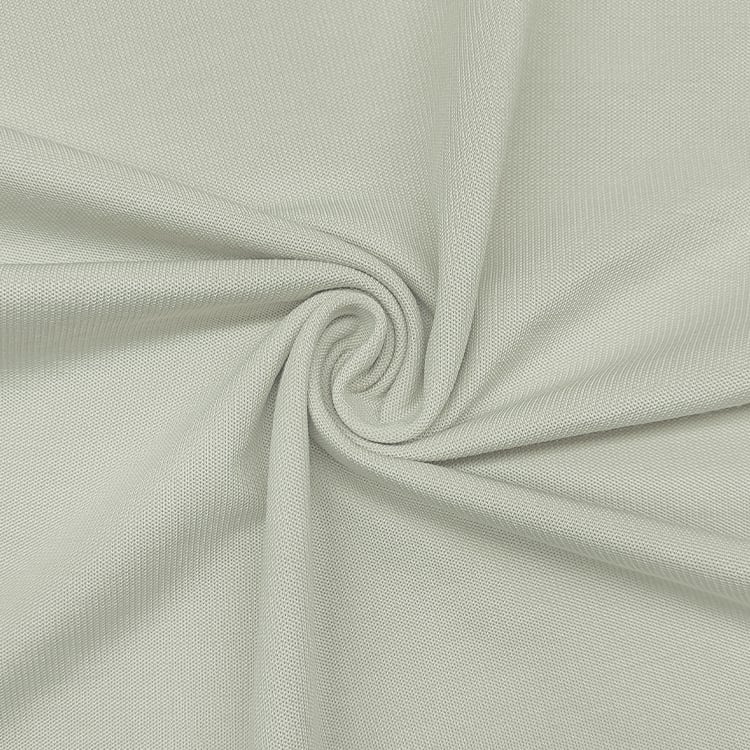
Bamboo fabric has transformed the textile industry by offering a sustainable alternative to conventional materials while maintaining exceptional comfort and performance. Understanding the relationship between bamboo fabric and pique fabric helps designers, manufacturers, and retailers make informed decisions about material selection. The demand for eco-friendly textiles continues to rise as consumers become increasingly conscious of environmental impact, making bamboo-based solutions an attractive option across multiple industries.
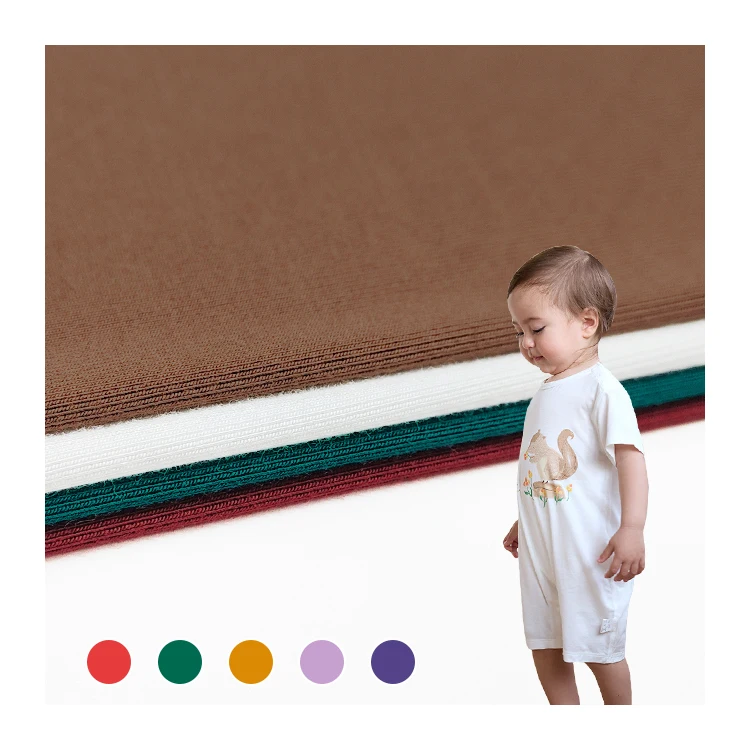
This comprehensive guide explores the multifaceted benefits of bamboo fabric, its practical applications, and why pique fabric construction specifically enhances the performance characteristics of bamboo materials. Whether you're developing apparel lines, selecting fabrics for intimate wear, or seeking sustainable textile solutions, understanding the synergy between bamboo fiber properties and pique fabric weave patterns provides critical competitive advantage. The intersection of sustainability and performance makes bamboo-based pique fabric a compelling choice for forward-thinking businesses.
Understanding Bamboo Fabric and Its Sustainability Advantages
The Bamboo Fabric Production Process
Bamboo fabric production begins with harvesting bamboo plants, which grow rapidly without requiring pesticides or fertilizers, making them exceptionally sustainable compared to conventional cotton cultivation. The processing method determines the final fabric characteristics, with viscose processing being the most common approach for creating soft, breathable bamboo textiles. Pique fabric constructed from bamboo viscose demonstrates superior moisture management and breathability compared to standard flat weaves, making this combination particularly valuable for performance-focused applications. The entire lifecycle of bamboo fabric production generates significantly lower carbon emissions and water consumption than traditional synthetic or cotton alternatives.
Environmental and Economic Benefits of Bamboo Material
Bamboo fabric offers remarkable environmental credentials that resonate with sustainability-focused consumers and manufacturers alike. The plant regenerates naturally without replanting, requires minimal water inputs, and eliminates the need for harmful pesticides used extensively in cotton farming. Pique fabric made from bamboo creates a textured surface that enhances durability and reduces overall material consumption per garment, further improving the environmental footprint. Cost efficiency improves over large production volumes, making bamboo-based pique fabric increasingly competitive with conventional materials while maintaining or exceeding quality standards that consumers demand.
Performance Characteristics of Bamboo Pique Fabric
Comfort and Temperature Regulation
Bamboo fabric naturally provides exceptional thermoregulation, maintaining comfortable body temperature across varying weather conditions by effectively wicking moisture away from skin. The pique fabric construction amplifies this benefit by creating micro-air pockets within the weave structure, enhancing breathability and ventilation properties that consumers expect from premium apparel. Pique fabric's textured surface also prevents moisture from clinging to the body, reducing that uncomfortable clammy feeling during physical activity or in humid environments. This combination makes bamboo pique fabric ideal for athleisure wear, sports performance clothing, and everyday comfort apparel where temperature stability matters.
Durability and Longevity Advantages
The pique fabric construction creates a durable, three-dimensional surface that resists pilling and maintains structural integrity through repeated washing and wearing cycles. Bamboo fibers possess natural strength that improves when combined with pique fabric's double-layer weave pattern, creating garments that maintain appearance and functionality over extended use periods. Pique fabric constructed from bamboo demonstrates superior color retention compared to many alternatives, reducing fading concerns that typically emerge after multiple cleaning cycles. Consumers investing in bamboo pique fabric products experience longer garment lifecycles, reducing replacement frequency and delivering stronger value propositions for sustainable fashion choices.
Best Applications and Market Opportunities for Bamboo Pique Fabric
Apparel and Clothing Applications
Bamboo pique fabric serves as an exceptional choice for polo shirts, casual wear, and athletic clothing where comfort, durability, and sustainable credentials create competitive differentiation. The pique fabric's textured appearance appeals to design-forward consumers while its performance characteristics satisfy functionality requirements across diverse climate conditions and activity levels. Women's intimate apparel benefits significantly from bamboo's natural hypoallergenic properties combined with pique fabric's moisture management, making this combination particularly suitable for sensitive skin applications. Children's clothing manufacturers increasingly specify bamboo pique fabric because the material eliminates concerns about harsh chemicals, irritants, and temperature regulation issues that plague conventional options.
Market Expansion and Industry Trends
The global bamboo fabric market experiences continuous growth as retailers recognize consumer demand for sustainable, performance-oriented textiles that don't compromise on quality or comfort. Pique fabric's versatility allows manufacturers to expand product lines across multiple categories, from basic casual wear to premium sportswear and luxury casual brands positioning sustainability as a core brand value. Emerging markets demonstrate particularly strong demand for bamboo pique fabric as middle-class consumers seek quality apparel options that align with environmental consciousness and ethical production practices. Textile manufacturers incorporating bamboo pique fabric into their product portfolios position themselves advantageously within market segments where sustainability and performance command premium pricing and customer loyalty.
FAQ
How does bamboo pique fabric compare to cotton pique fabric in terms of comfort?
Bamboo pique fabric typically surpasses cotton pique fabric in moisture management and temperature regulation, providing superior comfort in warm, humid conditions. The natural hypoallergenic properties of bamboo make pique fabric constructed from bamboo fibers gentler on sensitive skin, while the breathable pique weave structure ensures consistent air circulation. Cotton pique fabric offers excellent durability and classic aesthetic qualities, but bamboo pique fabric delivers enhanced performance benefits that justify premium positioning for brands emphasizing comfort and sustainability.
What industries benefit most from using bamboo pique fabric?
Fashion, activewear, intimate apparel, and children's clothing industries derive substantial benefits from bamboo pique fabric's unique combination of performance, comfort, and sustainability credentials. Healthcare and hospitality sectors increasingly specify bamboo pique fabric for employee uniforms and patient wear where hygiene, comfort, and durability represent critical requirements. Luxury casual brands utilize pique fabric made from bamboo to create premium positioning around sustainable luxury, commanding higher price points while appealing to environmentally conscious consumers willing to invest in quality.
Is bamboo pique fabric suitable for high-volume commercial production?
Yes, bamboo pique fabric supports high-volume commercial production with established supply chains, efficient manufacturing processes, and cost structures that become increasingly competitive at scale. Manufacturers familiar with conventional pique fabric production adapt quickly to bamboo-based specifications, minimizing process disruptions while capturing sustainability benefits. Quality consistency, color stability, and performance metrics for bamboo pique fabric now match or exceed conventional alternatives, making commercial-scale adoption practical and economically viable for textile manufacturers worldwide.