
 EN


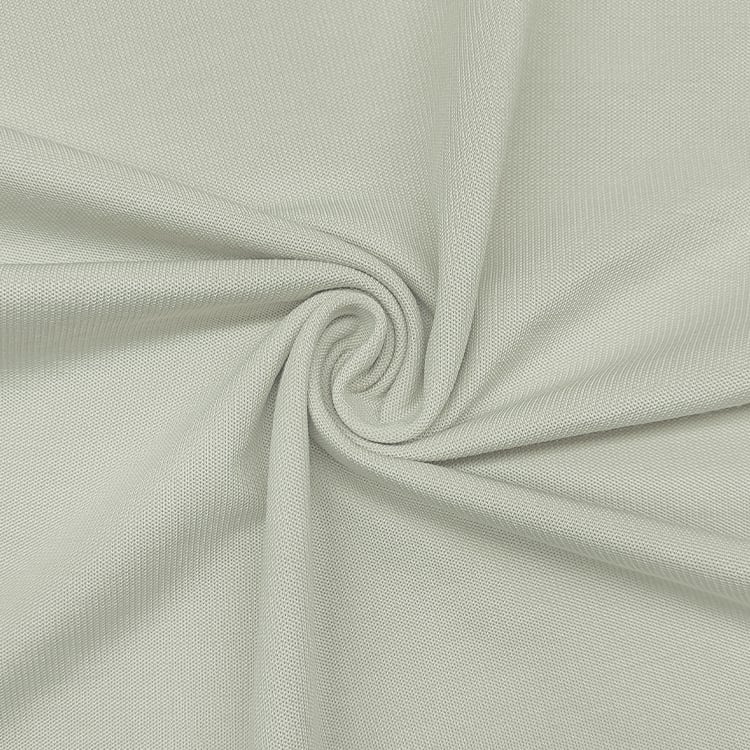
Mesh fabrics have become essential in modern textile design, offering unique properties that make them ideal for numerous applications across industries. Whether you're sourcing materials for sportswear, activewear, or technical garments, understanding the characteristics of different mesh types—including pique fabric—is crucial for making informed purchasing decisions. Pique fabric stands out as a premium choice within the mesh fabric category, combining durability with superior breathability and comfort for discerning manufacturers and end users alike.
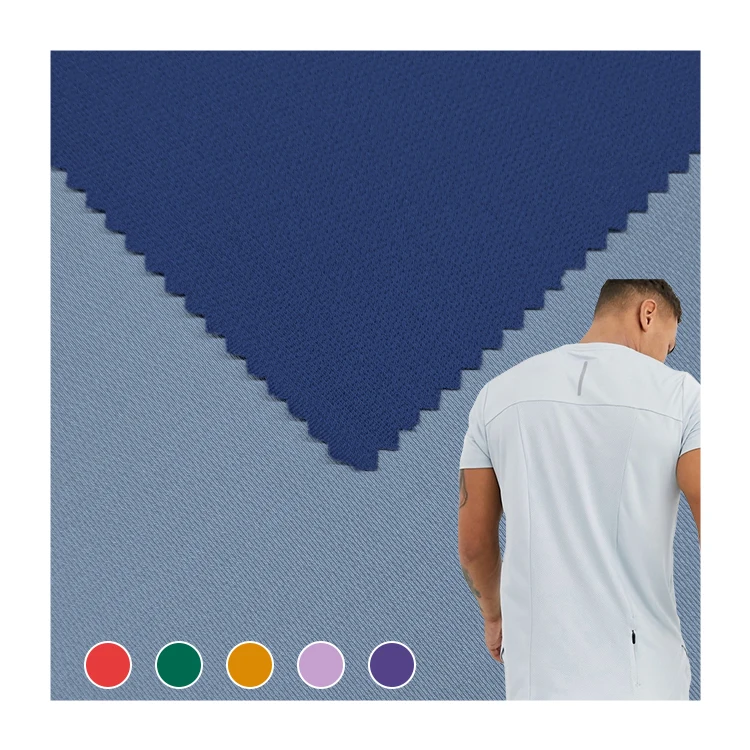
The global demand for high-performance mesh fabric continues to rise as consumers prioritize comfort, functionality, and durability in their clothing choices. Pique fabric represents a significant segment within this market, valued for its distinctive textured surface and exceptional moisture-wicking capabilities. This comprehensive guide explores the various dimensions of mesh fabric selection, including detailed coverage of pique fabric varieties, practical applications, and strategic buying considerations that will help you navigate the textile marketplace with confidence.
Understanding Mesh Fabric Categories and Pique Fabric Characteristics
Core Properties of Pique Fabric
Pique fabric is characterized by its raised, geometric surface pattern that creates a distinctive three-dimensional appearance. This elevated texture in pique fabric not only enhances visual appeal but also significantly improves airflow through the material, making it exceptionally breathable. The construction of pique fabric typically involves a specialized weaving technique that creates waffle-like or diamond-shaped indentations, which effectively separate the fabric layers and promote continuous air circulation.
The structural advantages of pique fabric extend beyond aesthetics to functional performance metrics. When you choose pique fabric for your applications, you benefit from enhanced moisture management capabilities that keep wearers comfortable during intense physical activity. Pique fabric maintains its shape and structure remarkably well, resisting pilling and degradation even after repeated washing and extended use, making it an economical choice for premium garment production.
Pique Fabric versus Other Mesh Options
While various mesh fabric types exist in the market, pique fabric distinguishes itself through its combination of durability and aesthetic refinement. Standard mesh fabrics may offer basic breathability, but pique fabric delivers superior moisture-wicking performance alongside its decorative surface pattern. The weight and thickness options available in pique fabric allow manufacturers to tailor their material selection to specific end-use requirements, from lightweight athletic shirts to more substantial performance wear.
Understanding how pique fabric compares to other textured mesh options helps inform your sourcing strategy. Pique fabric typically demonstrates better color retention and wash fastness compared to basic mesh fabrics, making it ideal for products destined for frequent laundering. The investment in quality pique fabric often translates to longer product lifecycles and enhanced customer satisfaction, particularly in competitive sportswear and casual wear markets.
Applications and Industry Use Cases for Pique Fabric
Sportswear and Athletic Performance Markets
The sportswear industry represents the primary market for high-quality pique fabric, where performance requirements demand materials that combine breathability with durability. Pique fabric's moisture-wicking properties make it exceptionally suitable for manufacturing athletic shirts, performance polos, and training wear that must maintain comfort during vigorous physical exertion. Premium brands consistently specify pique fabric for their flagship performance collections because the material's structural integrity withstands the rigorous demands of athletic use.
When designing products destined for the gym, field, or court, pique fabric offers manufacturers the confidence that their garments will perform reliably across diverse climatic conditions. The three-dimensional surface of pique fabric creates micro-channels that facilitate efficient sweat evaporation, addressing one of the most critical comfort factors in athletic apparel. Additionally, pique fabric resists color fading under ultraviolet exposure, maintaining vibrant hues throughout the product's useful lifespan in outdoor or indoor training environments.
Casual Wear and Lifestyle Applications
Beyond strictly athletic contexts, pique fabric has gained substantial traction in casual wear and lifestyle segments. Contemporary consumers increasingly seek clothing that combines casual aesthetic appeal with functional performance, and pique fabric perfectly satisfies this dual requirement. Manufacturers recognize that pique fabric delivers a refined, textured appearance that elevates casual garments above basic jersey-constructed alternatives.
Pique fabric's versatility extends to polo shirts, casual cardigans, and hybrid garments that transition seamlessly between work and leisure environments. The material's comfort profile makes extended wear practical, while its aesthetic sophistication appeals to discerning consumers in developed markets. Corporate and hospitality sectors increasingly specify pique fabric for employee uniforms because the material projects professionalism while delivering the breathability essential for customer-facing roles.
Strategic Considerations for Buying and Sourcing Pique Fabric
Evaluating Quality Parameters and Performance Specifications
When sourcing pique fabric, establishing clear quality benchmarks ensures that materials meet your production and performance standards. Weight per square meter, typically ranging from 150 to 220 grams, directly impacts the fabric's drape, durability, and end-product price point. The fiber composition of pique fabric—whether 100% polyester, cotton blends, or specialty synthetic combinations—significantly influences moisture management, stretch recovery, and temperature regulation properties.
Conduct thorough testing of pique fabric samples regarding dimensional stability, shrinkage potential, and color fastness before committing to bulk orders. Specification sheets should document tensile strength, tear resistance, and pilling resistance metrics that verify the material meets your intended application requirements. Reputable pique fabric suppliers should provide comprehensive technical documentation and allow sampling protocols that permit validation testing aligned with your quality assurance processes.
Cost Optimization and Market Positioning
Pique fabric pricing varies considerably based on fiber quality, production region, and supplier scale, directly affecting your finished product cost structure. Understanding the value hierarchy within pique fabric options enables strategic sourcing decisions that balance cost efficiency with performance requirements. Premium pique fabric variants incorporating stretch fibers or specialized treatments command higher per-unit costs but may reduce long-term quality issues and customer returns.
Market positioning strategies should reflect the material quality advantages that pique fabric delivers relative to alternative mesh fabrics. Communicating the superior breathability, durability, and aesthetic refinement of pique fabric to end consumers justifies premium pricing and establishes differentiation in competitive categories. Volume commitment negotiations with pique fabric suppliers often yield meaningful cost reductions while securing dedicated supply streams for critical production seasons.
FAQ
What makes pique fabric superior to standard mesh in athletic applications?
Pique fabric excels in athletic contexts because its three-dimensional surface structure creates micro-channels that facilitate superior moisture evaporation compared to flat mesh alternatives. The textured pattern in pique fabric distributes sweat more efficiently across the fabric surface, promoting faster drying and enhanced comfort during intense physical activity. Additionally, pique fabric demonstrates exceptional shape retention and pilling resistance, ensuring that athletic garments maintain their performance characteristics and appearance through repeated wear cycles.
How should manufacturers test pique fabric quality before bulk procurement?
Manufacturers should request sample quantities of pique fabric and conduct standardized testing protocols including dimensional stability assessments, color fastness verification, and tensile strength evaluation. Pique fabric samples should undergo multiple wash cycles to evaluate shrinkage patterns and verify that the material maintains its structural integrity and aesthetic qualities. Fiber content analysis, weight verification, and comparative performance testing against competitor pique fabric samples provide objective data for informed sourcing decisions.
What pricing factors influence pique fabric costs across different suppliers?
Pique fabric pricing is influenced by fiber composition, production region, supplier manufacturing scale, and whether the material incorporates specialty treatments or stretch components. Premium pique fabric incorporating technical enhancements commands higher costs but may deliver superior performance and customer satisfaction. Volume commitments, payment terms, and long-term partnership arrangements typically enable cost optimization, making strategic supplier relationships essential for manufacturers seeking to maximize value within their pique fabric sourcing strategies.