
 EN




Selecting the right fabric for loungewear is one of the most critical decisions in apparel design and manufacturing. The comfort, durability, and aesthetic appeal of loungewear depend almost entirely on the choice of material. Whether you're developing a casual collection or expanding your loungewear line, understanding fabric properties will help you make informed decisions that satisfy customer expectations. The rib fabric category has become increasingly popular in the loungewear market because it combines structural integrity with exceptional softness and stretch performance.
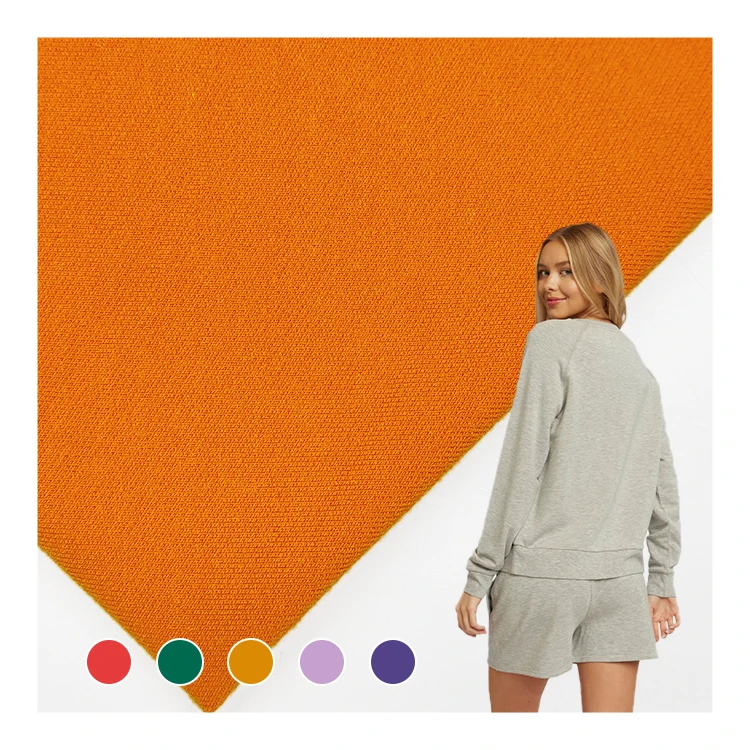
The loungewear industry continues to evolve, with consumers demanding materials that feel luxurious while maintaining shape retention and breathability. Modern rib fabric solutions address these requirements by offering engineered blends that outperform traditional cotton options. Understanding the relationship between fiber content, construction method, and finishing processes will empower you to choose a rib fabric that aligns with your brand values and customer demographics.
Understanding Rib Fabric Properties and Benefits
Core Characteristics of Rib Fabric
Rib fabric is distinguished by its distinctive vertical ribbed pattern, created through a specific knitting technique that produces parallel columns of raised texture. This structural design gives rib fabric its signature elasticity and recovery properties, which are essential for loungewear that needs to maintain its shape through repeated wearing and washing. The raised ribs in rib fabric also create channels that enhance airflow, making the material naturally breathable. When selecting rib fabric for loungewear applications, manufacturers value this construction because it provides both comfort and functional durability that consumers expect from premium relaxation apparel.
Why Rib Fabric Dominates the Loungewear Market
Rib fabric has become the preferred choice for loungewear because it combines aesthetic appeal with practical performance characteristics. The textured surface of rib fabric creates visual interest while the elastic fibers within the weave ensure a snug yet comfortable fit that adapts to body movement. Unlike flat-knit alternatives, rib fabric resists pilling and maintains its integrity through extended use and multiple wash cycles. Quality rib fabric also dries faster than heavier knit materials, making it ideal for everyday loungewear that customers may wash frequently.
Key Factors for Selecting Premium Loungewear Fabric
Evaluating Fiber Content and Blends
The fiber composition of rib fabric directly influences how the garment performs and feels against the skin. Pure cotton rib fabric offers natural breathability and softness but may lack the recovery properties needed for shape retention. Many manufacturers now blend cotton with elastane, polyester, or rayon to create rib fabric that combines the best characteristics of each fiber. When choosing rib fabric, assess whether the blend includes appropriate percentages of performance fibers like elastane to ensure consistent stretch and recovery through the garment's lifespan.
Assessing Weight and Density in Rib Fabric Selection
The weight of rib fabric, typically measured in grams per square meter, determines the garment's drape, insulation properties, and perceived quality. Lighter-weight rib fabric works well for warm-climate loungewear and summer collections, while heavier rib fabric suits cold-season items like sweatshirts and jogging pants. The density of rib fabric also affects how much the material stretches and recovers after extension. For loungewear applications, mid-weight rib fabric between 200-300 GSM often provides the optimal balance between comfort, durability, and aesthetic appeal that consumers prefer.
Color Retention and Finishing Quality
Quality rib fabric for loungewear should maintain consistent color through multiple washing cycles without fading or color bleeding onto other garments. The finishing processes applied to rib fabric determine whether it resists shrinkage and maintains its softness after laundering. Advanced dyeing techniques combined with proper chemical finishing ensure that your rib fabric selection will perform reliably in real-world consumer use. When evaluating suppliers, request samples that have been washed multiple times to verify that the rib fabric maintains its appearance and hand feel over its intended lifespan.
Practical Application and Market Trends for Loungewear Fabric
Matching Rib Fabric Choices to Target Demographics
Different customer segments prioritize different attributes when selecting loungewear. Health-conscious consumers may prefer rib fabric with high moisture-wicking properties derived from performance fiber blends. Budget-focused buyers might accept basic cotton rib fabric that meets minimum comfort standards. Premium market segments often seek rib fabric that combines luxury aesthetics with technical performance, justifying higher price points through superior durability and refined finishing. By understanding your target demographic's priorities, you can narrow your rib fabric options to choices that maximize customer satisfaction and brand loyalty.
Sustainability Considerations in Loungewear Fabric Selection
An increasing number of consumers now evaluate loungewear based on environmental impact and manufacturing ethics. Choosing rib fabric produced from sustainably grown fibers, recycled materials, or through environmentally responsible processes can differentiate your brand in the marketplace. Some rib fabric manufacturers now offer options derived from lyocell or other regenerated fibers that combine performance with lower environmental footprints. When comparing suppliers, investigate their sustainability certifications and manufacturing transparency to align your rib fabric sourcing with your brand's environmental commitments.
Cost-Benefit Analysis of Premium Rib Fabric Options
While premium rib fabric typically costs more than basic alternatives, the long-term value often justifies the investment through reduced returns, improved customer reviews, and brand positioning advantages. Rib fabric that resists pilling, maintains elasticity, and retains color through extended use will generate higher customer lifetime value than cheaper alternatives that degrade quickly. Calculate the cost difference between standard rib fabric and premium options against factors like reduced warranty claims, increased repeat purchases, and premium pricing ability. This financial perspective helps justify rib fabric selections that might appear expensive initially but deliver superior return on investment when measured across full product lifecycles.
FAQ
What percentage of elastane should quality loungewear rib fabric contain?
Most high-performance loungewear rib fabric includes between 5-15% elastane mixed with cotton, polyester, or rayon base fibers. The optimal elastane percentage depends on intended garment use and desired recovery characteristics. Loungewear pieces that need maximum stretch recovery typically incorporate rib fabric with 10-15% elastane, while casual pieces may use rib fabric with 5-8% elastane. Always verify elastane content with your rib fabric supplier and test samples to confirm the stretch and recovery properties meet your specifications.
How does rib fabric compare to other knit structures for loungewear applications?
Rib fabric outperforms many alternative knit structures in shape retention and recovery due to its distinctive construction technique. Jersey knits offer similar softness but lack the structural integrity of rib fabric, leading to more stretching out over time. Waffle knits provide excellent insulation but may feel stiffer and less comfortable for extended wear. Rib fabric strikes an optimal balance between comfort, durability, and visual appeal, which explains its market dominance in premium loungewear collections where performance expectations are highest.
What quality standards should loungewear rib fabric meet before final production?
Quality loungewear rib fabric should pass multiple testing protocols including shrinkage tests, colorfastness evaluations, pilling resistance assessments, and elasticity recovery measurements. Reputable suppliers provide test certificates documenting how rib fabric performs after simulated washing cycles and extended wear conditions. Before committing to large production runs, request that your rib fabric undergo pill testing, tensile strength evaluation, and dimensional stability verification to ensure it meets your brand's performance standards and customer expectations.