
 EN


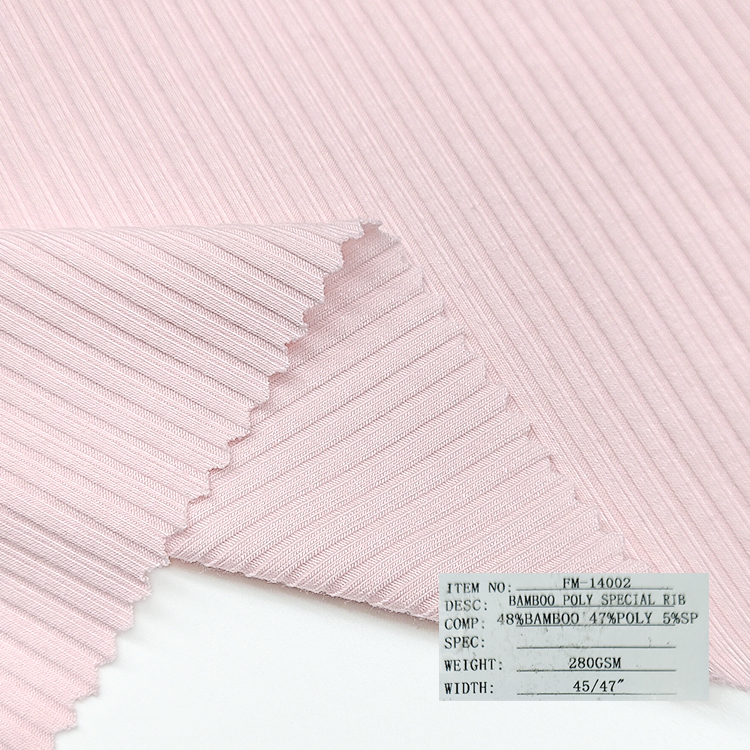
Ponte Roma fabric represents one of the most versatile and widely used rib fabric options in contemporary garment manufacturing. Understanding the properties and applications of rib fabric is essential for designers, manufacturers, and fashion professionals who need to select materials that balance comfort, durability, and aesthetic appeal. Rib fabric construction offers unique characteristics that make it suitable for diverse clothing applications, from professional wear to casual everyday garments, and this comprehensive guide explores every aspect of what makes rib fabric such a valuable choice in the textile industry.

The rib fabric category encompasses a range of knitted textiles distinguished by their characteristic raised vertical ridges or ribs that run lengthwise along the material. Ponte Roma, a specific type of rib fabric, combines natural fibers with synthetic components to create a fabric that exhibits exceptional elasticity, recovery, and dimensional stability. This guide will help you navigate the technical specifications, physical properties, practical benefits, and industry applications of rib fabric, ensuring you make informed decisions about material selection for your projects.
Understanding Rib Fabric Construction and Properties
Structural Characteristics of Rib Fabric
Rib fabric is constructed using a specialized knitting technique that creates distinct vertical channels or ridges running down the length of the material. The rib fabric structure forms through the interlocking of yarns in a pattern that differs from jersey or other flat knit fabrics, resulting in a fabric that exhibits superior dimensional stability compared to lighter knits. The characteristic ridges in rib fabric are not merely aesthetic; they serve functional purposes including enhanced stretch recovery, improved shape retention, and better structural integrity. When examining rib fabric under magnification, you'll observe a precise, uniform pattern of raised wales that contribute to the fabric's distinctive tactile quality and visual appearance.
Physical and Performance Attributes
Rib fabric typically demonstrates exceptional elasticity, often recovering to its original dimensions after stretching due to the inherent properties of the knit construction combined with the fiber composition. Modern rib fabric formulations frequently incorporate synthetic fibers such as nylon and elastane alongside natural fibers like rayon, creating a blend that optimizes both comfort and performance characteristics. The rib fabric weight typically ranges from medium to heavy, providing substantial body and drape compared to lightweight jersey constructions. Additionally, rib fabric exhibits excellent breathability while maintaining sufficient opacity, making it suitable for garments worn close to the body without requiring additional linings.
Key Advantages and Industrial Applications of Rib Fabric
Performance Benefits Driving Rib Fabric Adoption
The widespread adoption of rib fabric in the apparel industry stems from multiple performance advantages that address contemporary manufacturing and consumer demands. Rib fabric offers superior shape retention, meaning garments maintain their form throughout extended wear cycles without excessive bagging or loss of fit. The natural stretch properties inherent to rib fabric reduce the need for excessive elastane content, which lowers production costs while maintaining excellent comfort and mobility. Furthermore, rib fabric demonstrates enhanced resistance to pilling compared to lower-density knits, contributing to superior longevity and sustained aesthetic appeal across multiple wash cycles. The dimensional stability of rib fabric ensures that garments cut from this material maintain consistent measurements throughout manufacturing and after laundering, reducing quality control complications and customer returns.
Versatile Industry and Garment Applications
Rib fabric serves multiple market segments due to its balanced combination of performance, comfort, and aesthetic qualities. In the professional and business wear sector, rib fabric appears in blazers, structured dresses, and tailored separates where its dimensional stability and body-hugging properties create flattering silhouettes. The sportswear and athletic apparel industries rely heavily on rib fabric for leggings, fitted tops, and performance bottoms that require substantial stretch without sagging. Casual wear manufacturers incorporate rib fabric in sweaters, cardigans, ribbed tops, and fitted casual garments where its textural richness enhances visual interest. Additionally, rib fabric functions as an essential component in children's clothing, swimwear, and transitional season garments where durability, comfort, and maintenance ease are paramount considerations.
Selection Criteria and Garment Quality Considerations
Fiber Composition and Rib Fabric Blending
The fiber composition of rib fabric fundamentally influences its performance characteristics, visual appearance, and care requirements. Premium rib fabric formulations typically combine rayon or cotton base fibers with strategic inclusions of nylon for durability and elastane for recovery properties. Rib fabric containing higher rayon percentages delivers superior drape, breathability, and a luxurious hand feel, making it ideal for fashion-forward applications where aesthetics matter significantly. Conversely, rib fabric with increased nylon content provides enhanced durability and abrasion resistance, suiting high-traffic applications and frequent-wear garments. When selecting rib fabric for specific projects, understanding the target market's priorities between aesthetics, durability, care ease, and cost considerations becomes essential for achieving desired outcomes.
Weight, Density, and Finishing Specifications
Rib fabric weight variations range from lightweight constructions suitable for layering pieces to heavyweight versions designed for structured outerwear and substantial separates. The density of rib fabric—measured by stitches per unit length—directly correlates with fabric durability, opacity, and hand feel, with higher-density rib fabric offering superior structural integrity. Specialized finishing processes applied to rib fabric can enhance its properties further, including sanforization for reduced shrinkage, softening treatments for enhanced hand feel, and antimicrobial applications for performance garments. The finishing chosen for rib fabric must align with the intended garment category and consumer expectations regarding care, performance, and longevity. Manufacturers selecting rib fabric should specify exact weight, density, and finishing requirements to ensure the received material meets precise application demands and quality standards.
FAQ
What distinguishes rib fabric from other knit fabric types?
Rib fabric differs fundamentally from jersey and other flat knit constructions through its distinctive raised vertical ridges and superior dimensional stability. The rib fabric structure creates a fabric that stretches more uniformly in both directions, recovers more effectively after stretching, and resists sagging better than lightweight jersey. Jersey fabric appears smooth and flat, whereas rib fabric exhibits visible texture and deeper weight, making rib fabric more suitable for garments requiring substantial structure and shape retention throughout extended wear cycles.
How does rib fabric perform through repeated washing?
Rib fabric demonstrates exceptional durability through multiple wash and dry cycles when properly cared for according to fiber-specific instructions. The inherent dimensional stability of rib fabric prevents excessive shrinkage or stretching compared to lower-density knits, ensuring garments maintain original proportions and fit consistency. Properly finished rib fabric resists pilling, fading, and fiber degradation better than inferior constructions, contributing to sustained garment appearance and longevity. Following manufacturer care recommendations—including appropriate water temperature, gentle detergents, and proper drying methods—ensures rib fabric garments perform optimally throughout their service life.
Which applications benefit most from rib fabric's characteristics?
Rib fabric proves most valuable in applications requiring dimensional stability, shape retention, and comfortable stretch, making it ideal for fitted professional wear, performance athletic garments, structured casual pieces, and children's clothing. Fashion designers favor rib fabric for creating body-conscious silhouettes where fabric recovery and structural integrity directly influence the final garment's appearance and longevity. Industries prioritizing garment durability, reduced returns, and consistent quality across production runs particularly benefit from rib fabric's reliable performance characteristics and minimal quality variation compared to lighter knit alternatives.