
 EN



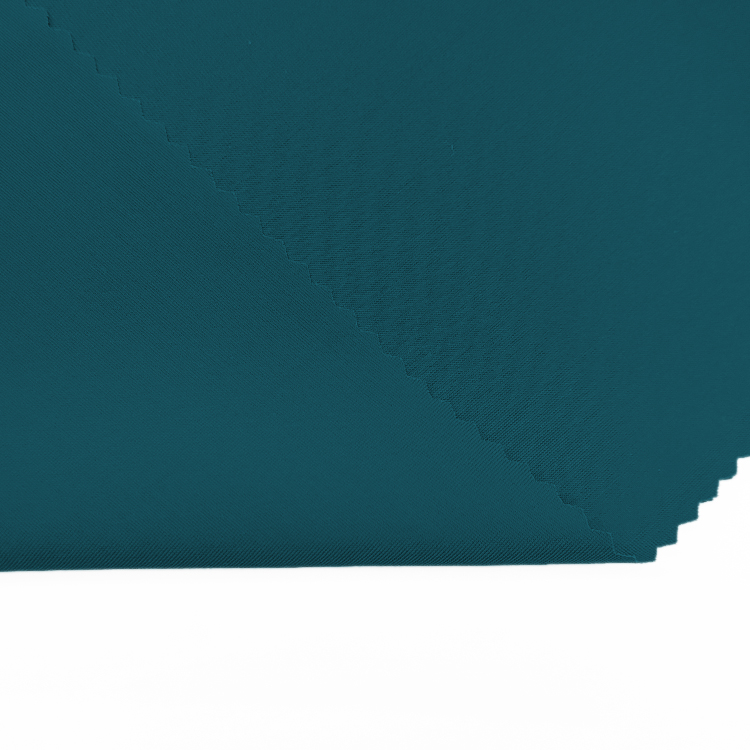
Interlock fabric has become an essential material in the textile industry, offering a unique construction that delivers superior comfort, durability, and versatility. Whether you are a garment manufacturer, fashion designer, or textile professional, understanding interlock fabric is crucial to making informed decisions about material selection. This comprehensive guide explores the characteristics, types, applications, and advantages of interlock fabric so you can determine whether it meets your production requirements and end-use needs.

The construction method of interlock fabric sets it apart from other knit textiles. Unlike single-knit structures, interlock fabric features two sets of interlocking stitches that create a dense, stable surface on both sides. This distinctive weaving pattern gives interlock fabric exceptional dimensional stability, reduced curling, and a smooth appearance that appeals to both manufacturers and consumers. Understanding the fundamentals of how interlock fabric is produced helps clarify why it performs so effectively in demanding applications.
Understanding Interlock Fabric Construction
How Interlock Fabric is Made
Interlock fabric is manufactured using a specialized knitting technique where two sets of yarns loop around each other in opposite directions. This interlocking mechanism means that interlock fabric has identical right and wrong sides, creating a uniform appearance and consistent performance throughout the material. The construction of interlock fabric results in a fabric that is less prone to unraveling, curling at edges, or stretching unevenly during cutting and sewing. Because interlock fabric maintains such dimensional stability, it minimizes production waste and reduces quality control issues during garment manufacturing.
Key Structural Characteristics
The density of interlock fabric is one of its defining features, making it heavier and more substantial than comparable single-knit alternatives. This increased density means interlock fabric provides better opacity, moisture management, and temperature regulation in finished garments. The tightness of the stitch structure in interlock fabric also contributes to its resistance to pilling and color fading, ensuring that garments maintain their appearance after repeated wear and washing. These structural qualities make interlock fabric an excellent choice for both casual wear and performance-oriented applications where durability is essential.
Types of Interlock Fabric Available
Fiber Composition Options
Interlock fabric is available in numerous fiber compositions, each offering distinct performance characteristics. Pure cotton interlock fabric provides breathability, softness, and hypoallergenic properties, making it ideal for babies' clothing and sensitive skin applications. Cotton-nylon interlock fabric combines the comfort of cotton with the durability and stretch recovery of nylon, creating a material perfect for activewear and yoga wear. Polyester-based interlock fabric offers excellent color retention, moisture-wicking capabilities, and easy care, making it suitable for athletic wear and outdoor garments. Wool interlock fabric delivers superior insulation and temperature regulation for cold-weather applications. These diverse options ensure that interlock fabric can be tailored to meet specific performance and comfort requirements.
Weight and Thickness Classifications
Interlock fabric comes in various weights, ranging from lightweight versions suitable for summer garments to heavy-duty versions designed for layering and winter wear. Lightweight interlock fabric maintains breathability while providing the structural benefits of the interlocking construction. Mid-weight interlock fabric represents the most versatile category, offering an ideal balance between comfort, durability, and ease of production. Heavy-weight interlock fabric serves specialized purposes, including outerwear, swimwear linings, and protective garments where maximum stability and performance are required. Understanding these weight classifications helps designers and manufacturers select the appropriate interlock fabric for their specific end-use applications.
Applications and Benefits of Interlock Fabric
Performance Wear and Activewear
Interlock fabric has become the material of choice for performance wear because it excels in moisture management, stretch recovery, and dimensional stability. Athletes and active individuals benefit from garments made with interlock fabric because the material maintains its shape during intense movement and frequent washing. Sports enthusiasts specifically favor yoga wear, running shirts, and training garments constructed from interlock fabric due to their superior comfort and durability. The consistent thickness and smooth surface of interlock fabric also makes it an excellent base for printed logos, patterns, and decorative elements that maintain their quality through the garment's lifecycle.
Casual and Everyday Clothing
Beyond athletic applications, interlock fabric offers significant advantages for everyday casual wear including t-shirts, polo shirts, and comfortable basics. The softness and breathability of interlock fabric create garments that feel pleasant against the skin while maintaining structural integrity through multiple wash cycles. Children's clothing manufacturers particularly favor interlock fabric because it combines durability for active play with the comfort necessary for sensitive skin. Home textile producers also utilize interlock fabric for pajamas, loungewear, and undergarments where comfort and longevity are paramount considerations.
Medical and Therapeutic Applications
The hypoallergenic properties and controlled stretch of interlock fabric make it valuable in medical textiles and therapeutic garments. Compression wear utilizing interlock fabric helps manage circulation and provides therapeutic support for various medical conditions. Post-surgical garments often incorporate interlock fabric because its smooth surface minimizes irritation to sensitive or healing skin. Occupational health applications, including wound care and skin contact applications, benefit from the purity and consistency of interlock fabric. Medical professionals increasingly specify interlock fabric in prescriptive garments because it delivers predictable performance and biocompatibility.
Manufacturing and Production Advantages
Quality Control and Consistency
Manufacturers choose interlock fabric because its stable construction enables superior quality control and predictable production outcomes. The reduced curl and edge stability of interlock fabric minimize cutting waste and re-work, directly improving production efficiency and reducing manufacturing costs. Pattern grading becomes more accurate with interlock fabric because the material's dimensional stability means less shrinkage and distortion during production and finishing processes. This consistency makes interlock fabric particularly valuable for large-scale production runs where quality uniformity is essential for brand reputation and customer satisfaction.
Processing and Finishing Capabilities
Interlock fabric processes smoothly through dyeing, printing, and finishing operations because its dense construction resists damage during wet processing. Dye uptake in interlock fabric is exceptionally uniform, producing consistent color throughout the material without streaking or uneven absorption. The compatibility of interlock fabric with various finishing treatments allows manufacturers to impart additional properties such as water resistance, antimicrobial treatment, or enhanced softness. Advanced finishing techniques can enhance the natural benefits of interlock fabric while maintaining its structural integrity and performance characteristics.
Design Considerations and Best Practices
Pattern Grading and Fit
Designers working with interlock fabric benefit from its minimal shrinkage, which allows for more accurate fit predictions and pattern grading. The stable nature of interlock fabric means that garments maintain consistent sizing through production, reducing the need for multiple fit sessions and adjustments. Interlock fabric's two-sided structure allows designers to create reversible garments or designs that utilize both the face and back of the material. The smooth surface of interlock fabric enables precise placement of design elements, making it ideal for high-quality embroidery, printing, and embellishment work.
Care Instructions and Longevity
Garments produced from interlock fabric typically require simple care instructions, making them attractive to consumers. Machine washing in cool water and tumble drying on low settings maintain the integrity of interlock fabric while extending garment lifespan. The resistance of interlock fabric to pilling and color fading means garments maintain their appearance over extended periods of use and care. Consumers appreciate the longevity of interlock fabric garments, often making repeat purchases because they value the durability and consistent quality that interlock fabric provides.
FAQ
What makes interlock fabric different from regular knit fabric?
Interlock fabric differs from regular knit fabric primarily through its construction method, where two sets of interlocking stitches create a double-knit structure. This interlocking mechanism gives interlock fabric superior dimensional stability, reduced curling, and identical appearance on both sides compared to single-knit alternatives. The density of interlock fabric provides better opacity, moisture management, and pilling resistance, making it more durable and suitable for performance applications where regular knit fabric would be insufficient.
Is interlock fabric suitable for all seasons?
Yes, interlock fabric is versatile across seasons when selected in appropriate weights and fiber compositions. Lightweight cotton or cotton-blend interlock fabric works excellently for summer and warm-weather garments because it breathes while maintaining structural integrity. Mid-weight interlock fabric serves year-round applications, while heavier versions provide the insulation and stability needed for winter wear. The availability of interlock fabric in various fiber blends, including wool and synthetic options, ensures suitable choices for every climate and seasonal need.
Why do manufacturers prefer interlock fabric for quality production?
Manufacturers prefer interlock fabric because it delivers consistent quality, minimal production waste, and predictable performance throughout the manufacturing process. The dimensional stability of interlock fabric reduces shrinkage during cutting and finishing, improving pattern accuracy and reducing costly re-work. The smooth, stable surface of interlock fabric enables high-quality printing, dyeing, and embellishment, making garments more marketable and valuable. Additionally, interlock fabric's reputation for durability and longevity builds brand confidence and encourages customer loyalty, making it a smart investment for manufacturers focused on quality-driven market positioning.