
 EN


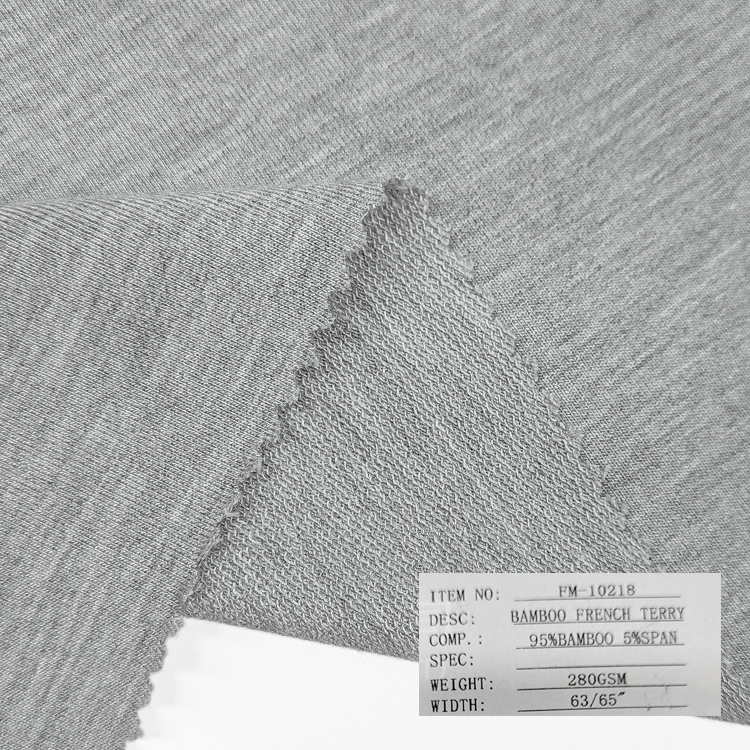
Choosing the right materials for yoga wear is one of the most critical decisions in activewear design and manufacturing. Terry fabric has emerged as a leading choice for yoga apparel, offering a unique combination of comfort, breathability, and durability that aligns perfectly with the demands of modern fitness enthusiasts. Whether you are developing a new yoga line, expanding your activewear collection, or seeking high-performance materials for your brand, understanding terry fabric and related performance materials is essential to meeting consumer expectations and market standards.

The yoga apparel industry has undergone significant transformation in recent years, with performance materials becoming the foundation of product differentiation. Terry fabric stands out because it combines natural absorbency with technical performance, creating garments that feel luxurious while delivering superior functionality. This guide explores why terry fabric has become indispensable in yoga wear manufacturing, how it compares to alternative performance materials, and what specifications matter most when sourcing terry fabric for your production needs.
Understanding Terry Fabric Structure and Performance Benefits
What Makes Terry Fabric Ideal for Yoga Apparel
Terry fabric is constructed with uncut loops on one or both sides of a woven base, creating a textured surface that delivers exceptional absorption and softness. The loop structure of terry fabric traps moisture effectively, making it one of the most efficient performance materials for sweat management during intense yoga sessions. Unlike smooth woven fabrics, terry fabric provides cushioning and comfort against the skin, which is particularly valuable for practitioners who spend extended periods on yoga mats or in contact with studio flooring.
The versatility of terry fabric extends across multiple yoga applications, from fitted leggings and tops to loose-fitting joggers and wrap styles. Because terry fabric can be engineered in various weights and blend ratios, manufacturers can customize the hand feel and performance characteristics to match specific market segments. Lightweight terry fabric works well for warm climate yoga and fast-drying requirements, while heavier terry fabric suits cooler environments and provides additional durability for frequently washed garments.
Technical Properties That Define Terry Fabric Performance
The absorption capacity of terry fabric makes it fundamentally different from other performance materials commonly used in yoga wear. A single terry fabric garment can absorb up to 24% of its weight in moisture without feeling wet or heavy against the body, a characteristic that directly addresses the primary challenge yoga practitioners face during extended sessions. This moisture-wicking capability of terry fabric creates a microclimate that keeps skin dry and comfortable, reducing friction and the risk of chafing during movement.
Durability is another defining feature of quality terry fabric used in professional yoga apparel. The loop structure distributes stress across multiple fibers, making terry fabric more resistant to pilling and wear compared to flat-weave performance materials. When properly constructed, terry fabric maintains its softness and absorbency through dozens of wash cycles, which is essential for yoga garments that are frequently laundered. The resilience of terry fabric also means that yoga wear made from this material can withstand the regular stretching, bending, and contact with studio equipment without losing shape or performance characteristics.
Selecting the Right Blend: Terry Fabric Composition Matters
Natural Fiber Options in Terry Fabric Formulations
The fiber content of terry fabric directly influences its performance, feel, and sustainability profile. Pure cotton terry fabric offers maximum softness and breathability, making it popular for yoga wear designed for comfort-first consumers who prioritize natural materials. Cotton-based terry fabric naturally regulates temperature and provides excellent moisture absorption, though pure cotton may require longer drying times compared to synthetic-blend alternatives. Many manufacturers choose cotton-dominant blends to balance the natural feel of terry fabric with the performance enhancements that synthetic fibers provide.
Bamboo viscose blended into terry fabric has gained significant traction in premium yoga wear markets, as this combination delivers softness comparable to luxury materials while improving sustainability. Terry fabric made with bamboo viscose offers silky hand feel and natural temperature regulation, which appeals to environmentally conscious yoga practitioners. The antimicrobial properties of bamboo-based terry fabric also provide additional value, as this performance characteristic reduces odor development in worn garments between wash cycles.
Synthetic Blend Strategies for Enhanced Performance
Polyester-blended terry fabric represents the most common formulation in commercial yoga wear production, as this combination optimizes moisture-wicking, color fastness, and durability. When polyester is integrated into terry fabric at ratios between 20% and 40%, the resulting material maintains the comfort characteristics of the natural fiber while dramatically improving quick-dry performance. This type of terry fabric is ideal for yoga studios in humid climates or for practitioners who wear their apparel throughout the day without access to immediate drying facilities.
Spandex or elastane additions to terry fabric create performance materials that provide stretch recovery and shape retention during dynamic yoga movements. Even small percentages of elastane in terry fabric formulations significantly enhance the fit and comfort of yoga wear, allowing garments to move with the body rather than against it. Terry fabric engineered with 3% to 8% elastane provides optimal stretch without compromising the core absorbency and softness that define high-quality yoga apparel.
Practical Considerations for Sourcing and Production
Weight, Finish, and Customization Options
Terry fabric weight is measured in grams per square meter (gsm) and directly impacts how the finished garment will perform and feel. Lightweight terry fabric between 250 and 350 gsm works best for fitted yoga leggings and performance tops, offering breathability and minimal bulk. Medium-weight terry fabric in the 350 to 450 gsm range suits versatile yoga pieces like joggers and loose-fitting layers that require durability without excessive weight. Heavy-weight terry fabric above 450 gsm provides maximum cushioning and absorbency, making it ideal for yoga towels, specialized practice garments, and winter activewear collections.
Finishing treatments applied to terry fabric can enhance performance characteristics and extend the lifespan of yoga apparel. Anti-pill treatments protect the loop structure of terry fabric from snagging and deterioration during use and washing. Specialized dyes and pigment applications ensure that terry fabric maintains color vibrancy through repeated exposure to sunlight, chlorine, and detergents, which is particularly important for yoga wear worn in studios or outdoor environments. Pre-shrinking processes applied during manufacture prevent unexpected sizing changes after the first wash, a critical factor for fitted yoga apparel where dimensional stability directly impacts garment fit and comfort.
Quality Standards and Cost-Effectiveness
Understanding the relationship between terry fabric quality grades and production costs helps manufacturers make informed sourcing decisions. Premium-grade terry fabric uses longer staple fibers and tighter loop construction, delivering superior softness and longevity but commanding higher per-unit costs. Mid-range terry fabric quality still meets functional requirements for yoga wear while offering better cost efficiency for brands targeting value-conscious market segments. Regardless of grade selected, reputable suppliers provide detailed specifications, performance test results, and sample options so manufacturers can evaluate terry fabric quality before committing to large production orders.
Sustainability considerations increasingly influence sourcing decisions for terry fabric in the yoga wear sector. Organic cotton-based terry fabric appeals to environmentally aware consumers and can justify premium pricing in upscale markets. Water-efficient production methods and responsible dyeing practices applied to terry fabric manufacturing reduce environmental impact and support brand positioning around sustainability commitments. Forward-thinking manufacturers recognize that investing in high-quality, responsibly sourced terry fabric today aligns with market trends and builds long-term brand value.
FAQ
Why is terry fabric preferred over smooth performance materials in yoga wear?
Terry fabric outperforms smooth fabrics for yoga wear because the loop construction absorbs and disperses moisture more efficiently, keeping skin dry and comfortable during extended practice sessions. The cushioning properties of terry fabric also reduce pressure points and provide additional comfort against sensitive areas, a feature that flat-weave performance materials cannot replicate. Additionally, the textured surface of terry fabric provides subtle grip and stability when worn against studio flooring, enhancing the tactile experience for practitioners.
How should I choose between cotton, bamboo, and polyester blends in terry fabric?
Cotton-based terry fabric suits eco-conscious consumers and those prioritizing maximum softness, though drying times may be longer. Bamboo-blended terry fabric offers luxury feel with improved sustainability and antimicrobial benefits, making it ideal for premium product lines. Polyester blends in terry fabric maximize quick-dry performance and durability, which is essential for high-use environments like professional yoga studios or climates with humidity challenges. The right choice depends on your target market, climate conditions, and performance priorities.
What gsm weight of terry fabric works best for fitted yoga leggings?
Lightweight to medium-weight terry fabric between 250 and 400 gsm provides the optimal balance for fitted yoga leggings, offering breathability and comfort without excess bulk or weight. This weight range ensures adequate moisture absorption while maintaining the form-fitting silhouette that modern yoga practitioners expect. If you plan to market leggings for cooler climates or extended wear, medium-weight terry fabric at 350 to 400 gsm will provide additional durability and coverage without compromising mobility or comfort during dynamic yoga movements.