
 EN



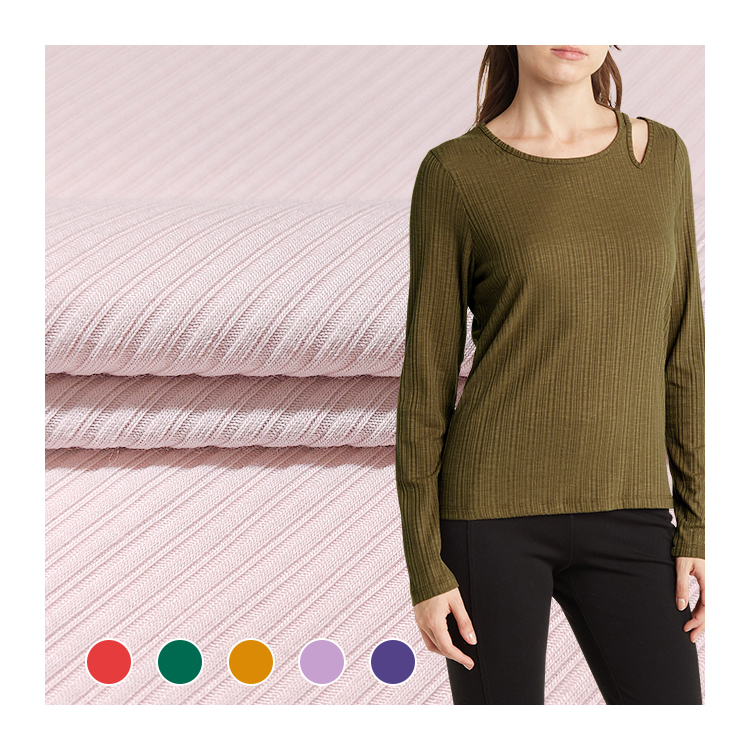
Rib fabric represents one of the most versatile and widely used textile solutions in the modern garment industry. Whether you're designing activewear, casual clothing, or performance apparel, understanding rib fabric characteristics, construction methods, and sourcing channels is essential for making informed material decisions. This comprehensive guide explores the distinct types of rib fabric, their practical applications across industries, and how to identify quality rib fabric suppliers that meet your production requirements.

Rib fabric has become the foundation of comfortable, functional clothing because of its unique stretch properties and durability. The distinctive raised lines characteristic of rib fabric construction allow for excellent elasticity in one or multiple directions, making rib fabric ideal for fitted garments that require both support and flexibility. Professionals in textiles, fashion design, and apparel manufacturing rely on rib fabric to deliver consistent performance, aesthetic appeal, and long-term wearability.
Understanding Rib Fabric Construction and Structure
What Defines Rib Fabric Design
Rib fabric is created through a specialized knitting technique that produces vertical ridges running lengthwise along the material. The fundamental structure of rib fabric consists of alternating knit and purl stitches that create these distinctive raised and recessed patterns. This construction method is what separates rib fabric from other knit types, giving it superior elasticity and recovery properties that are highly valued in garment manufacturing.
The quality of rib fabric depends heavily on the yarn composition, knit density, and finishing processes employed during production. High-quality rib fabric maintains its shape after repeated stretching and washing, making it a preferred choice for garments that demand longevity. The structural integrity of rib fabric also contributes to its ability to provide gentle compression without restricting movement, which is why rib fabric appears so frequently in athletic and leisurewear collections.
Variations in Rib Fabric Weights and Textures
Rib fabric comes in multiple weight categories, ranging from lightweight single rib to heavier double and triple rib constructions. Lightweight rib fabric options work well for summer garments, lingerie, and form-fitting pieces where comfort and breathability are priorities. Heavier rib fabric variants provide more structure and warmth, making them suitable for winter clothing, camisoles, and supportive undergarments where durability matters significantly.
The texture profile of rib fabric can vary based on fiber content and finishing techniques applied post-production. Some rib fabric suppliers offer smooth, refined textures, while others provide more textured finishes that add visual depth and tactile interest. Understanding these variations in rib fabric helps designers select materials that align with their specific design vision and end-use requirements.
Types of Rib Fabric and Their Unique Characteristics
Single Rib and Double Rib Options
Single rib fabric features one raised ridge pattern and represents the most commonly produced rib fabric type in the industry. This rib fabric variant offers excellent stretch in both directions and is lightweight enough for layering pieces and fitted shirts. Double rib fabric, by contrast, features two parallel ridge patterns and provides increased thickness and more structured recovery properties, making double rib fabric ideal for cuffs, collars, and garment edges where durability is critical.
The choice between single rib fabric and double rib fabric depends on the garment's intended use and desired aesthetic outcome. Designers working on premium activewear often select double rib fabric for reinforced areas, while single rib fabric serves as the primary body material. Both rib fabric types maintain excellent shape retention, which is why fashion professionals consistently specify rib fabric for items meant to last through multiple seasons of wear.
Fiber Content and Performance Variations
Rib fabric is manufactured from diverse fiber blends, including pure cotton, polyester, rayon, nylon, and carefully formulated blends. Cotton-based rib fabric delivers breathability and comfort, making it suitable for everyday wear and sensitive skin applications. Synthetic rib fabric alternatives using polyester or nylon offer enhanced durability, moisture-wicking capabilities, and color retention, positioning these rib fabric types as preferred choices for athletic and performance-driven garments.
Rayon-blended rib fabric combines the softness of natural fibers with the stretch resilience of synthetics, creating a versatile rib fabric option that appeals to designers seeking balanced performance. Many manufacturers now produce blended rib fabric formulations that optimize cost-effectiveness while maintaining the structural advantages that define quality rib fabric. Understanding fiber composition helps ensure your selected rib fabric meets sustainability goals, performance requirements, and target price points.
Applications and Sourcing Channels for Rib Fabric
Industry Applications and Market Demand
Rib fabric dominates multiple industry segments including activewear, casualwear, intimates, and sportswear manufacturing. Athletic brands consistently rely on rib fabric for performance tights, fitted tops, and supportive base layers because rib fabric delivers the necessary compression and recovery. The fashion industry embraces rib fabric for its ability to create flattering silhouettes while maintaining comfort, making rib fabric a staple in contemporary casualwear collections.
Healthcare and medical apparel manufacturers increasingly specify rib fabric for compression garments and recovery wear because rib fabric provides consistent, graduated support. Dancewear designers depend on rib fabric for its unmatched stretch and movement flexibility, while swimwear producers value rib fabric for its chlorine resistance and shape retention properties. This widespread adoption across diverse industries confirms that rib fabric remains central to modern garment production strategies.
Finding and Evaluating Rib Fabric Suppliers
Sourcing quality rib fabric requires identifying suppliers who maintain rigorous production standards and offer consistent fiber specifications. Reputable rib fabric suppliers provide detailed technical sheets outlining weight, elasticity measurements, shrinkage data, and care instructions. When evaluating potential rib fabric sources, request sample swatches to assess quality, feel, and performance characteristics firsthand.
Established rib fabric manufacturers typically offer volume pricing, customization options, and responsive customer service that supports your production timeline. Look for suppliers who can provide certifications confirming sustainable practices, ethical labor standards, and compliance with international textile regulations. Building relationships with reliable rib fabric vendors ensures consistent material availability and quality throughout your production cycles.
FAQ
What makes rib fabric different from other knit fabrics?
Rib fabric stands apart through its distinctive vertical ridge pattern created by alternating knit and purl stitches, which gives it exceptional elasticity and recovery properties. Unlike jersey or other flat knits, rib fabric provides superior compression and maintains its shape after repeated stretching and washing. This structural uniqueness makes rib fabric the go-to choice for fitted garments requiring both comfort and durability.
Can rib fabric be used for both warm and cold weather clothing?
Yes, rib fabric versatility extends across all seasons because weight and fiber content can be customized. Lightweight rib fabric works perfectly for summer layering pieces and fitted tanks, while heavier rib fabric constructions provide warmth and insulation for winter garments. The ability to produce rib fabric in various weights and blends makes it equally suitable for year-round wardrobe applications.
How do I ensure quality when purchasing rib fabric in bulk?
Request comprehensive specifications and sample testing before committing to bulk rib fabric purchases, including shrinkage tests, elasticity measurements, and color fastness data. Work with rib fabric suppliers who provide consistent lot-to-lot quality and maintain detailed production records. Request certificates of compliance and establish clear quality acceptance criteria in your supplier contracts to guarantee that your rib fabric meets production standards.