
 EN
EN



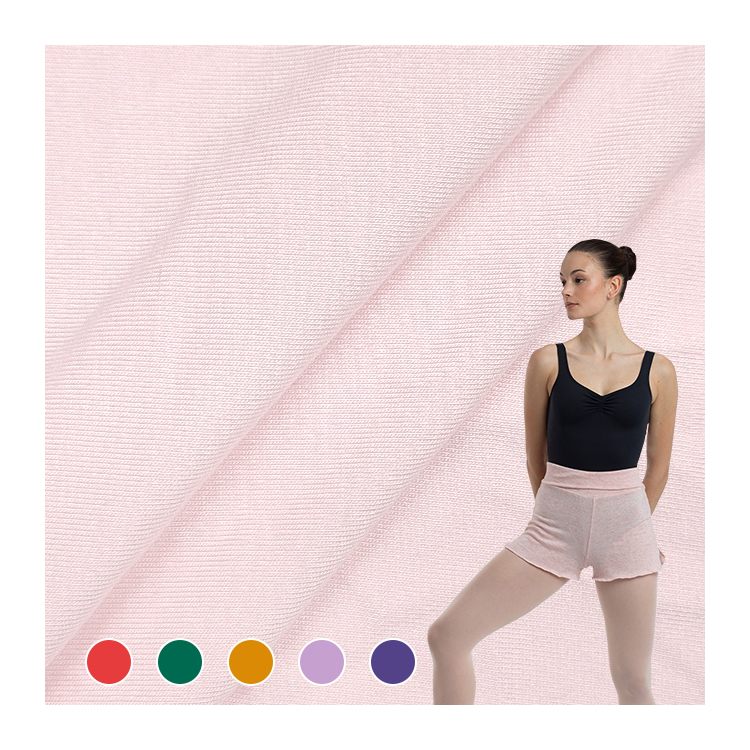
When selecting the ideal textile for clothing, home goods, or industrial applications, the choice between terry fabric and traditional cotton often creates confusion among manufacturers, designers, and consumers alike. Both materials offer distinct advantages, but understanding their unique properties, manufacturing processes, and practical applications is essential for making informed decisions. Terry fabric, with its distinctive loop construction, provides exceptional absorbency and comfort, while cotton remains a versatile natural fiber beloved for its breathability and durability across countless applications.
Understanding Terry Fabric Construction and Properties
The Unique Loop Structure of Terry Materials
Terry fabric distinguishes itself through its characteristic loop pile construction, created during the weaving process when additional warp threads form uncut loops on one or both sides of the base fabric. This specialized weaving technique produces the signature texture that makes terry fabric exceptionally absorbent and soft to the touch. The loops create increased surface area, allowing the material to trap air and moisture more effectively than flat-woven alternatives. Modern terry fabric production often incorporates various fiber blends, including cotton-polyester combinations that enhance durability while maintaining the desired absorbency characteristics.
The density and height of terry loops significantly impact the fabric's performance characteristics, with higher pile densities generally providing superior absorbency and cushioning properties. Manufacturers can adjust loop height and density to create terry fabric suitable for specific applications, from lightweight towels to heavy-duty bath linens. The structural integrity of terry loops depends on precise tension control during weaving, ensuring consistent loop formation that withstands repeated washing and use without significant deterioration.
Absorbency and Moisture Management Features
The exceptional absorbency of terry fabric results from both its loop construction and fiber composition, making it particularly valuable for applications requiring moisture management. Each loop acts as a microscopic reservoir, capable of holding substantial amounts of liquid while maintaining quick-drying properties when properly constructed. High-quality terry fabric can absorb multiple times its weight in moisture while still feeling relatively dry to the touch, a property that makes it indispensable for towels, bathrobes, and athletic wear.
The moisture-wicking capabilities of terry fabric extend beyond simple absorption, as the loop structure facilitates rapid evaporation and air circulation. This characteristic proves particularly beneficial in activewear applications, where effective moisture management directly impacts comfort and performance. Advanced terry fabric formulations may incorporate synthetic fibers that enhance these properties, creating materials that dry faster while maintaining the soft texture and absorbency that define quality terry products.
Cotton Fabric Fundamentals and Characteristics
Natural Fiber Properties and Benefits
Cotton's status as a natural cellulose fiber provides inherent advantages that have made it a textile industry staple for centuries. The fiber's natural structure allows for excellent breathability, as the cellular composition facilitates air circulation and moisture vapor transmission. This breathability makes cotton particularly comfortable for direct skin contact, explaining its dominance in undergarments, casual clothing, and bed linens. Unlike synthetic alternatives, cotton's natural origin means it biodegrades readily and presents fewer environmental concerns during disposal.
The versatility of cotton extends to its dyeing and finishing capabilities, as the natural fiber readily accepts various dyes and chemical treatments. This characteristic allows manufacturers to create cotton fabrics in virtually any color or pattern while maintaining color fastness and fabric integrity. Cotton's natural absorbency, while lower than terry fabric, still provides adequate moisture management for most clothing applications, and its strength increases when wet, contributing to durability during washing and care.
Weave Variations and Textile Applications
Cotton's adaptability shines through the numerous weave structures possible with this versatile fiber, from basic plain weaves to complex jacquards and satins. Each weave pattern imparts different characteristics to the final fabric, allowing manufacturers to optimize cotton for specific applications. Plain weave cotton provides durability and easy care, while twill weaves offer increased drape and wrinkle resistance. Satin weaves create lustrous surfaces ideal for luxury applications, demonstrating cotton's remarkable versatility across diverse market segments.
The weight range achievable with cotton fabrics spans from gossamer-light voiles to heavy canvas materials, each serving distinct market needs. Lightweight cotton fabrics excel in summer clothing and delicate applications, while heavyweight cotton constructions provide durability for workwear, upholstery, and industrial applications. This range flexibility allows cotton to compete effectively across numerous textile categories, though it may lack the specialized performance characteristics that make terry fabric superior for specific moisture-management applications.
Performance Comparison in Key Applications
Absorbency and Moisture Control Analysis
When comparing absorbency capabilities, terry fabric consistently outperforms standard cotton weaves due to its increased surface area and loop structure design. Laboratory testing typically shows terry fabric absorbing 300-500% of its weight in water, while conventional cotton fabrics generally absorb 200-300% of their weight. This performance difference becomes critical in applications like towels, where superior absorbency directly translates to user satisfaction and product effectiveness. The rate of absorption also favors terry fabric, as the loop structure facilitates faster liquid uptake compared to tightly woven cotton alternatives.
However, cotton's moisture management extends beyond simple absorbency to include vapor transmission and quick-drying properties. In clothing applications, cotton's ability to move moisture vapor away from the skin often proves more valuable than maximum liquid absorption capacity. Terry fabric's superior absorbency can become a disadvantage in some clothing applications, as excessive moisture retention may lead to prolonged dampness and reduced comfort during extended wear periods.
Durability and Care Requirements
Durability comparisons between terry fabric and cotton depend heavily on construction quality and intended use patterns. High-quality cotton fabrics, particularly those with tight weaves and premium fiber grades, often demonstrate superior longevity in clothing applications due to reduced snagging potential and maintained structural integrity over time. Terry fabric's loop construction, while providing functional benefits, can be more susceptible to snagging and loop damage, particularly in low-quality products or harsh use conditions.
Care requirements also differ significantly between these materials, with cotton generally offering easier maintenance and greater tolerance for various washing conditions. Terry fabric requires more careful handling to preserve loop integrity and prevent matting or crushing that can reduce absorbency and aesthetic appeal. Professional laundry operations often charge premium rates for terry fabric items due to these specialized care requirements, making cotton more economical for high-volume applications where frequent laundering is necessary.
Cost Analysis and Economic Considerations
Manufacturing and Production Costs
The production costs associated with terry fabric typically exceed those of standard cotton fabrics due to the specialized weaving equipment and additional processing steps required. Terry fabric manufacturing demands precise tension control and specialized looms capable of creating consistent loop formation, representing significant capital investment for textile manufacturers. The additional fiber content required for loop formation also increases raw material costs, as terry fabric construction inherently uses more yarn per square yard than equivalent flat-woven cotton materials.
Cotton fabric production benefits from established manufacturing infrastructure and standardized processes that have been refined over decades. The widespread availability of cotton processing equipment and expertise helps maintain competitive pricing across global markets. Volume production of cotton fabrics achieves significant economies of scale, making cotton increasingly cost-effective for large-scale applications. However, specialty cotton treatments or premium fiber grades can approach or exceed terry fabric pricing, particularly for organic or sustainably produced variants.
Market Pricing and Value Considerations
Market pricing for terry fabric reflects both its specialized performance characteristics and higher production costs, with premium terry products commanding significant price premiums over comparable cotton alternatives. End-user willingness to pay these premiums depends heavily on application requirements and performance benefits realized. In towel and bathrobe markets, consumers consistently demonstrate preference for terry fabric despite higher costs, validating the value proposition of superior absorbency and comfort.
Cotton's broad market acceptance and competitive pricing make it the default choice for many applications where terry fabric's specialized properties provide limited added value. The established supply chains and manufacturing base for cotton products create pricing stability that appeals to cost-conscious buyers and high-volume applications. However, lifecycle cost analysis sometimes favors terry fabric in applications where durability and performance justify initial price premiums through extended service life and superior functionality.
Environmental Impact and Sustainability Factors
Resource Consumption and Production Effects
Environmental considerations increasingly influence textile selection decisions, with both terry fabric and cotton presenting distinct sustainability profiles. Terry fabric production typically requires more water and energy during manufacturing due to the complex weaving processes and additional finishing treatments needed to achieve desired loop characteristics. The higher yarn consumption inherent in terry fabric construction also increases the environmental footprint per unit of finished fabric, though this may be offset by superior durability in appropriate applications.
Cotton production faces well-documented environmental challenges, including water consumption, pesticide use, and soil depletion concerns. However, organic cotton cultivation and sustainable farming practices are increasingly available, providing environmentally conscious options for cotton fabric production. The natural biodegradability of cotton provides end-of-life advantages that synthetic terry fabric blends cannot match, contributing to overall environmental sustainability in long-term assessments.
Recycling and Disposal Considerations
Recycling possibilities differ significantly between pure cotton fabrics and terry fabric blends, with cotton's natural fiber composition facilitating easier recycling and disposal. Cotton fabrics can be mechanically recycled into lower-grade products or composted under appropriate conditions, providing multiple end-of-life options. Terry fabric containing synthetic fiber blends presents recycling challenges due to the difficulty of separating different fiber types and the specialized processing required for loop construction materials.
The growing emphasis on circular economy principles in textile manufacturing favors materials with clear recycling pathways and minimal environmental impact during disposal. Cotton's established recycling infrastructure and natural decomposition properties align well with these sustainability goals, while terry fabric manufacturers increasingly explore bio-based synthetic alternatives and improved recycling technologies to address environmental concerns.
Application-Specific Selection Guidelines
Home Textile Applications
Home textile applications reveal clear performance distinctions between terry fabric and cotton, with specific use cases favoring each material type. Terry fabric dominates bathroom applications, where absorbency and quick-drying properties provide essential functionality for towels, bath mats, and robes. The loop structure's ability to maintain loft and absorbency through repeated washing cycles makes terry fabric indispensable for these moisture-intensive applications. Kitchen applications also benefit from terry fabric's superior absorbency for dish towels and cleaning cloths.
Cotton excels in bedroom textiles, where breathability and smooth texture create optimal sleeping comfort. Bed sheets, pillowcases, and lightweight blankets benefit from cotton's moisture vapor transmission and temperature regulation properties. The wide range of cotton weaves available allows manufacturers to optimize fabric characteristics for specific bedroom applications, from percale's crisp coolness to sateen's smooth luxury feel. Decorative applications also favor cotton due to its superior printability and dyeing characteristics.
Apparel and Fashion Industry Uses
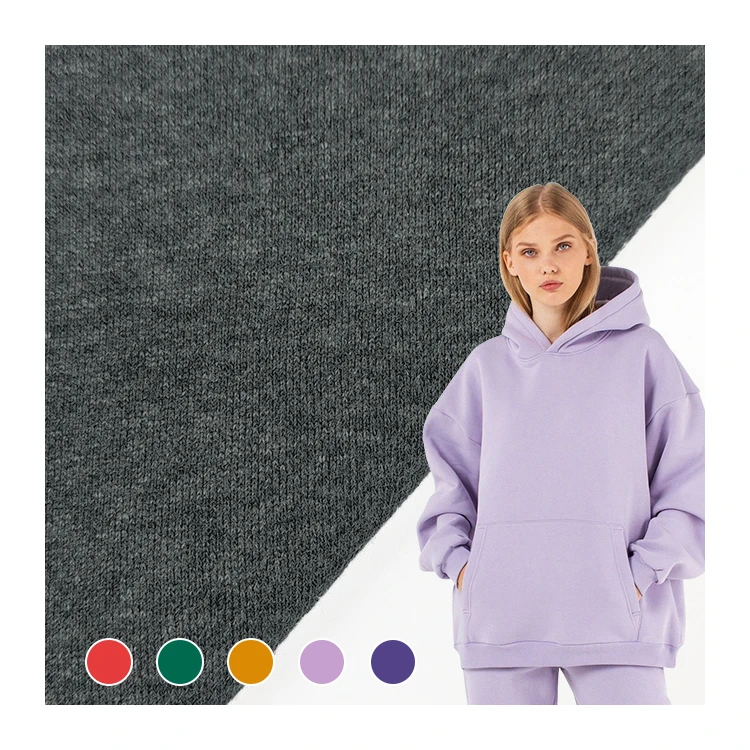
Apparel applications demonstrate both materials' strengths in different garment categories, with terry fabric finding specialized niches in activewear and casual comfort clothing. Sweatshirts, hoodies, and athletic wear benefit from terry fabric's moisture management and soft texture, though designers must balance absorbency benefits against potential fabric weight and drying time considerations. The casual, relaxed aesthetic of terry fabric suits loungewear and sportswear markets where comfort takes precedence over formal appearance.
Cotton's versatility shines across all apparel categories, from formal dress shirts requiring crisp structure to casual t-shirts demanding comfort and breathability. The ability to create cotton fabrics with widely varying weights, textures, and performance characteristics makes it suitable for virtually any garment type. Fashion designers particularly value cotton's dyeing and printing capabilities, which allow creative expression and trend adaptation. However, specialized performance requirements may favor terry fabric in specific athletic and comfort-focused applications.
FAQ
Which material is more durable for everyday use
Durability depends on the specific application and quality grade, but cotton fabrics generally offer superior longevity in clothing applications due to their resistance to snagging and structural damage. Terry fabric provides excellent durability in toweling applications where its loop structure is protected, but may be more vulnerable to damage in rough use conditions. High-quality versions of both materials can provide years of reliable service when properly cared for and used in appropriate applications.
How do washing and care requirements differ between these materials
Cotton fabrics typically require less specialized care and can tolerate a wider range of washing conditions, including higher temperatures and stronger detergents. Terry fabric needs gentler handling to preserve loop integrity and absorbency, often requiring lower spin speeds and careful drying to prevent matting or crushing. Both materials benefit from avoiding fabric softeners, which can reduce absorbency in terry fabric and may affect cotton's breathability.
Which option provides better value for money
Value assessment depends on intended use and performance requirements. Cotton provides excellent value for general clothing and basic home textile applications due to its versatility and competitive pricing. Terry fabric offers superior value in applications requiring high absorbency and moisture management, such as towels and athletic wear, where its specialized properties justify higher initial costs through improved performance and user satisfaction.
Are there environmental advantages to choosing one over the other
Cotton offers environmental advantages through its natural biodegradability and established sustainable farming practices, though conventional cotton production has significant water and pesticide impacts. Terry fabric's environmental profile varies depending on fiber content, with natural fiber terry fabrics sharing cotton's biodegradability benefits while synthetic blends may offer improved durability that extends product life. Both materials are increasingly available with sustainable production certifications that address environmental concerns.