
 EN



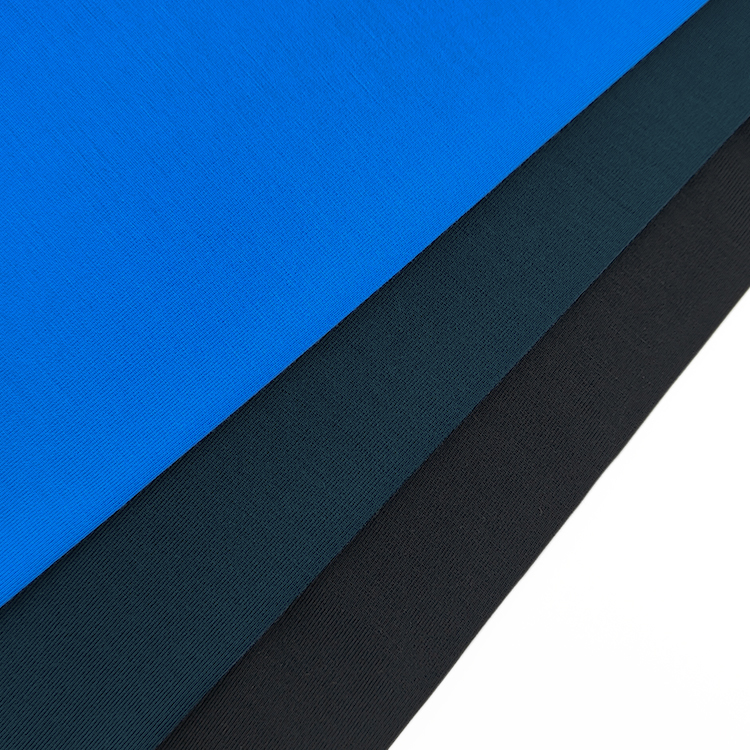
The sportswear industry is experiencing unprecedented transformation as jersey fabric technology reaches new heights in 2026. From elite athletic brands to mainstream fitness retailers, the demand for advanced jersey fabric solutions continues to accelerate. This evolution reflects a fundamental shift in how manufacturers approach performance, sustainability, and consumer expectations. Understanding these emerging jersey fabric innovation trends is essential for anyone involved in sportswear production, procurement, or retail.
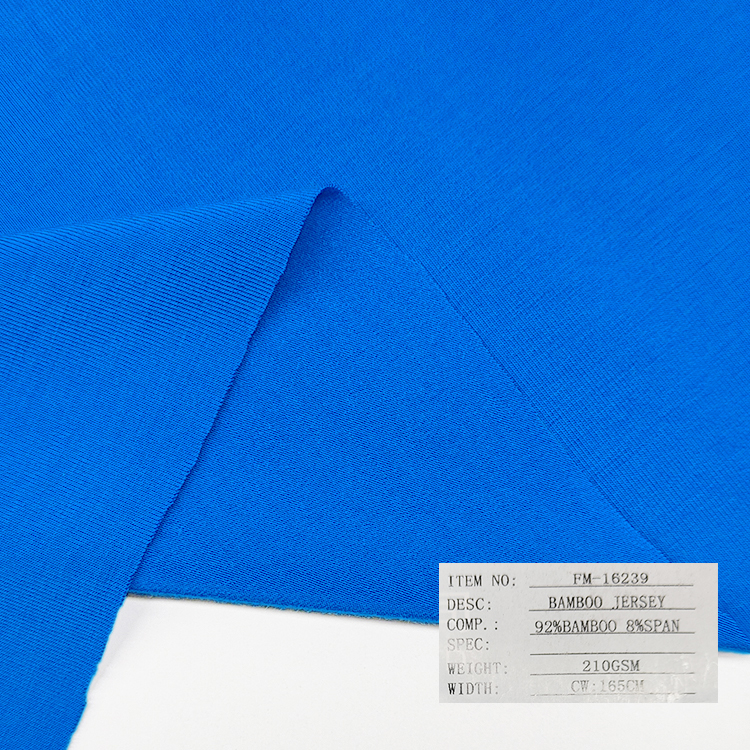
The jersey fabric market in 2026 reflects deeper changes in manufacturing philosophy and resource management. Modern jersey fabric production now integrates smart textiles, advanced moisture-wicking systems, and circular economy principles that were previously reserved for premium segments. These innovations are democratizing access to high-performance jersey fabric, allowing mid-market manufacturers to compete effectively with established giants. The convergence of technology, sustainability, and performance has redefined what consumers expect from their sportswear.
Advanced Performance Technologies in Jersey Fabric Development
Moisture Management and Thermoregulation Breakthroughs
Contemporary jersey fabric innovation centers on intelligent moisture transport systems that go far beyond basic sweat wicking. Advanced jersey fabric now incorporates engineered fiber structures and chemical finishes that actively manage moisture at the molecular level. These systems maintain optimal skin temperature across varying activity intensities and environmental conditions. The jersey fabric technologies emerging in 2026 employ nano-coating applications and fiber blend optimization to create unprecedented comfort profiles.
Leading manufacturers are developing jersey fabric that adapts dynamically to athlete needs. This jersey fabric responds to humidity, temperature, and movement patterns through specially engineered fiber compositions. The innovation combines polyester, nylon, and specialty polymers in strategic arrangements that maximize performance. Premium jersey fabric products now feature gradient moisture absorption zones, allowing different regions of a garment to handle moisture differently based on activity zones.
Durability Enhancement and Mechanical Properties
Modern jersey fabric formulations prioritize longevity without compromising breathability or comfort. Advanced jersey fabric undergoes precision engineering during the knitting phase to create tighter, more resilient structures. This jersey fabric maintains elasticity and shape retention through hundreds of washing cycles. Innovative bonding techniques embedded within the jersey fabric matrix reinforce seams and stress points, reducing premature wear in high-friction areas.
Contemporary jersey fabric manufacturers utilize advanced testing protocols to verify durability claims. The jersey fabric industry now employs accelerated wear testing, pilling resistance assessments, and color-fastness evaluations that exceed previous standards. This jersey fabric quality assurance ensures that performance claims remain valid across garment lifecycles. Enhanced jersey fabric durability directly reduces replacement cycles, delivering long-term value to consumers and sustainability benefits to manufacturers.
Sustainability and Circular Economy Integration in Jersey Fabric
Eco-Conscious Material Sourcing and Production Methods
Sustainability has become central to jersey fabric innovation strategy in 2026. Progressive manufacturers are reformulating jersey fabric using recycled content, bio-based fibers, and environmentally certified material sources. This jersey fabric evolution reflects both regulatory pressure and consumer demand for responsible production practices. The jersey fabric industry increasingly applies low-impact dyes, reduced chemical processing, and water-efficient manufacturing techniques.
Leading brands now specify jersey fabric suppliers based on environmental certifications and transparent supply chain documentation. Sustainable jersey fabric production methods reduce carbon footprints, water consumption, and toxic waste generation. The jersey fabric sector is embracing circular production models where manufacturing byproducts are recaptured and reprocessed. Advanced jersey fabric technologies now enable closed-loop systems where fabric scraps become fiber inputs for future production runs.
End-of-Life Solutions and Fabric Recyclability
The future of jersey fabric increasingly focuses on end-of-life recovery and material regeneration. Innovative jersey fabric designs now facilitate easier separation of blended fibers, enabling higher-quality recycling outcomes. This jersey fabric approach recognizes that true sustainability extends beyond production into garment retirement and material recovery. Advanced jersey fabric formulations utilize mono-material constructions or easily separable fiber combinations that support circular textile systems.
Jersey fabric manufacturers are investing heavily in collaboration with textile recyclers to develop compatible material streams. This jersey fabric integration between production and recovery creates truly circular ecosystems. Forward-thinking jersey fabric suppliers now track materials through entire lifecycles and work toward regeneration targets. The emerging jersey fabric paradigm views end-of-life as a resource opportunity rather than a waste problem.
Digital Integration and Smart Textile Features in Jersey Fabric
Embedded Sensor Technology and Biometric Monitoring
Smart textile integration represents perhaps the most transformative jersey fabric innovation trend in 2026. Advanced jersey fabric now incorporates embedded sensors that monitor heart rate, body temperature, and movement patterns without compromising comfort. This jersey fabric technology enables real-time health and performance feedback directly from the garment. The jersey fabric substrate serves as both functional apparel and data collection interface.
Leading athletic brands are launching jersey fabric products that communicate with mobile applications and fitness tracking platforms. This jersey fabric integration allows athletes to receive personalized performance insights during training and competition. The jersey fabric technology operates through conductive fiber pathways and biocompatible sensor networks seamlessly integrated during manufacturing. Smart jersey fabric systems now provide coaching feedback, injury prevention alerts, and recovery recommendations based on real-time biometric data.
Customization and Personalization Through Digital Design
Digital technologies are revolutionizing how jersey fabric gets designed and customized for specific user needs. Modern manufacturers now offer jersey fabric products with personalized fiber blends, weight distributions, and feature configurations based on individual athlete profiles. This jersey fabric customization extends to targeted support zones, compression patterns, and thermal properties tailored to specific sports and body types. Advanced jersey fabric production systems utilize digital knitting technologies that enable economical small-batch customization.
The democratization of jersey fabric customization allows independent designers and smaller brands to compete effectively in premium markets. Digital jersey fabric design tools now allow creators to test prototypes virtually before committing to physical production. This jersey fabric innovation reduces development cycles and waste while enabling rapid market responsiveness. Customers increasingly expect jersey fabric products tailored to their specific performance requirements rather than accepting generic mass-market solutions.
FAQ
What Makes Jersey Fabric Different from Other Knit Materials in 2026?
Jersey fabric distinguishes itself through superior elasticity, consistent weight, and optimized fiber architecture compared to alternative knits. Modern jersey fabric incorporates advanced technological features including moisture management systems, thermal regulation, and durability enhancements that exceed previous generations. The jersey fabric used in contemporary sportswear represents a convergence of performance science and sustainable manufacturing practices that set it apart from conventional knit fabrics.
How Does Sustainable Jersey Fabric Production Impact Cost and Performance?
Sustainable jersey fabric production methods have become increasingly cost-competitive while actually enhancing performance characteristics. Advanced jersey fabric utilizing recycled materials and eco-friendly processes now matches or exceeds the durability and moisture-wicking performance of traditional production methods. Strategic jersey fabric sourcing from certified sustainable suppliers often qualifies for market premiums that offset production efficiency investments, creating favorable economics for responsible manufacturers.
Can Jersey Fabric Technology Accommodate Custom Personalization for Individual Athletes?
Yes, digital jersey fabric manufacturing technologies now enable economical personalization at scales previously reserved for mass production. Jersey fabric customization includes variable fiber blends, targeted support zones, compression patterns, and thermal properties configured for specific athletes and sports disciplines. Advanced jersey fabric production systems utilize digital knitting and integrated sensor technology to deliver truly personalized garments without prohibitive cost premiums.