
 EN
EN



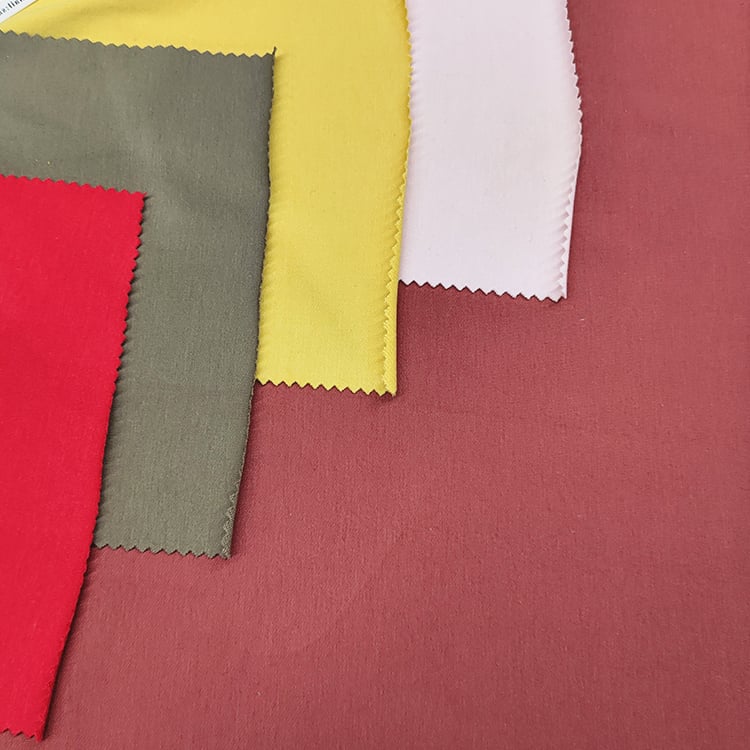
The textile industry stands at a critical crossroads in the fight against climate change, where innovative materials like recycled polyester fabric are emerging as powerful solutions to reduce environmental impact. As consumer awareness grows and sustainability becomes a driving force in fashion and manufacturing, recycled polyester fabric represents a significant breakthrough in creating eco-friendly textiles without compromising quality or performance. This revolutionary material transforms plastic waste into high-quality fibers, offering manufacturers and consumers an opportunity to participate actively in environmental conservation while meeting their textile needs.

Understanding the Environmental Impact of Traditional Textile Production
Carbon Footprint of Conventional Polyester Manufacturing
Traditional polyester production relies heavily on petroleum-based raw materials, contributing significantly to greenhouse gas emissions and environmental degradation. The manufacturing process requires substantial energy consumption, with conventional polyester production generating approximately 9.52 kg of CO2 per kilogram of fiber produced. This process involves complex chemical reactions, high-temperature treatments, and extensive transportation of raw materials, all of which contribute to the textile industry's overall carbon footprint. The environmental cost extends beyond production, as conventional polyester manufacturing consumes vast quantities of water and releases harmful chemicals into surrounding ecosystems.
The extraction and refinement of petroleum for polyester production further amplifies environmental concerns, as these processes contribute to habitat destruction and air quality deterioration. Manufacturing facilities often operate in regions with less stringent environmental regulations, leading to increased pollution levels and negative impacts on local communities. The cumulative effect of these factors positions conventional polyester as one of the most environmentally challenging materials in the textile industry, highlighting the urgent need for sustainable alternatives.
Waste Generation and Disposal Challenges
The textile industry generates enormous amounts of waste throughout the production and consumption cycle, with millions of tons of fabric waste ending up in landfills annually. Conventional polyester's non-biodegradable nature means that discarded garments can persist in the environment for hundreds of years, contributing to long-term pollution and resource waste. Post-consumer textile waste represents a growing environmental challenge, as fast fashion trends encourage frequent disposal and replacement of clothing items.
Manufacturing waste from cutting, trimming, and quality control processes adds another layer to the environmental burden, with many facilities lacking adequate recycling infrastructure to manage these byproducts effectively. The linear model of textile production, characterized by take-make-dispose patterns, perpetuates resource depletion and environmental degradation. These challenges underscore the importance of transitioning toward circular economy principles and sustainable material alternatives.
The Science Behind Recycled Polyester Fabric Production
Mechanical Recycling Processes
Mechanical recycling represents the most common method for producing recycled polyester fabric, involving the physical breakdown of plastic bottles and textile waste into small flakes or chips. This process begins with the collection and sorting of post-consumer plastic bottles, primarily PET bottles, which undergo thorough cleaning to remove labels, adhesives, and contaminants. The cleaned bottles are then shredded into small flakes, which are melted and extruded through spinnerets to create new polyester fibers suitable for textile applications.
The mechanical recycling process requires significantly less energy compared to virgin polyester production, reducing overall carbon emissions by approximately 50-70%. Quality control measures ensure that the resulting fibers meet industry standards for strength, durability, and color retention. Advanced sorting technologies, including optical sorting and density separation, maximize the efficiency of the recycling process while maintaining fiber quality. This closed-loop approach transforms waste materials into valuable textile resources, demonstrating the practical viability of circular economy principles in textile manufacturing.
Chemical Recycling Innovations
Chemical recycling technologies offer advanced solutions for creating high-quality recycled polyester fabric through molecular-level processing techniques. This approach breaks down plastic waste into its fundamental chemical components, allowing for the creation of virgin-quality polyester fibers without the quality degradation often associated with mechanical recycling. Depolymerization processes convert PET waste back into its original monomers, which can then be repolymerized into new polyester with properties identical to virgin material.
Glycolysis and methanolysis represent two primary chemical recycling methods, each offering unique advantages in terms of processing efficiency and final product quality. These technologies enable infinite recycling loops, as the resulting materials maintain their original properties and can be recycled repeatedly without quality loss. Investment in chemical recycling infrastructure continues to grow, driven by increasing demand for high-performance sustainable textiles and supportive regulatory frameworks promoting circular economy initiatives.
Environmental Benefits and Climate Impact Reduction
Carbon Emission Reductions
The production of recycled polyester fabric generates substantially lower carbon emissions compared to virgin polyester manufacturing, with studies indicating emission reductions of 50-70% depending on the recycling method and energy sources used. This significant reduction stems from eliminated petroleum extraction, refined processing requirements, and reduced energy consumption throughout the manufacturing process. The carbon savings multiply when considering the avoided emissions from plastic waste that would otherwise be incinerated or left to decompose in landfills.
Life cycle assessments demonstrate that recycled polyester fabric production requires approximately 60% less energy than conventional polyester production, translating to meaningful climate impact reductions at scale. The transportation of recycled materials typically involves shorter distances compared to petroleum-based raw materials, further reducing the overall carbon footprint. As renewable energy adoption increases in manufacturing facilities, the environmental benefits of recycled polyester fabric production will continue to expand, positioning it as a crucial tool in achieving textile industry decarbonization goals.
Resource Conservation and Waste Diversion
Recycled polyester fabric production directly addresses resource conservation by diverting plastic waste from landfills and oceans while reducing demand for virgin petroleum resources. Each kilogram of recycled polyester fabric can incorporate waste from approximately 25-30 plastic bottles, demonstrating the material's significant waste diversion capacity. This process not only prevents plastic pollution but also extends the useful life of materials that would otherwise contribute to environmental degradation.
Water consumption in recycled polyester fabric production is typically 50-60% lower than conventional polyester manufacturing, addressing one of the textile industry's most pressing environmental challenges. The reduced reliance on virgin petroleum resources helps preserve these finite resources for essential applications while promoting more sustainable material sourcing practices. By creating economic value from waste materials, recycled polyester fabric production incentivizes improved waste collection and sorting systems, contributing to broader circular economy development.
Quality and Performance Characteristics
Durability and Strength Properties
Modern recycled polyester fabric exhibits comparable durability and strength characteristics to virgin polyester, with advanced processing techniques ensuring minimal quality compromise. The fiber strength of high-quality recycled polyester fabric typically maintains 90-95% of virgin polyester performance, making it suitable for demanding applications including athletic wear, outdoor gear, and industrial textiles. Tensile strength testing confirms that recycled polyester fabric can withstand repeated washing, stretching, and general wear without significant degradation.
Colorfastness and UV resistance properties of recycled polyester fabric often exceed those of natural fibers, providing long-lasting appearance and protection in various environmental conditions. The synthetic nature of the material ensures consistent performance across different production batches, while quality control measures maintain uniformity in fiber diameter, strength, and processing characteristics. These performance attributes make recycled polyester fabric an attractive option for manufacturers seeking sustainable materials without compromising product quality or consumer satisfaction.
Versatility and Application Range
The versatility of recycled polyester fabric enables its use across diverse applications, from fashion and home textiles to technical and industrial products. Fabric weight, texture, and finish characteristics can be customized during production to meet specific application requirements, whether for lightweight apparel or heavy-duty industrial uses. Blending capabilities allow recycled polyester fabric to be combined with other sustainable fibers, creating innovative textile solutions with enhanced properties and performance characteristics.
Processing techniques such as brushing, calendering, and coating can be applied to recycled polyester fabric to achieve specialized surface treatments and functional properties. The material's compatibility with various dyeing and printing processes ensures design flexibility while maintaining environmental benefits. Advanced finishing treatments can impart moisture-wicking, antimicrobial, or flame-retardant properties, expanding the application potential of recycled polyester fabric in specialized markets and technical applications.
Industry Adoption and Market Trends
Fashion Industry Integration
Leading fashion brands and retailers have increasingly embraced recycled polyester fabric as a core component of their sustainability strategies, with many setting ambitious targets for sustainable material adoption. Major brands like Patagonia, Adidas, and H&M have committed to using significant percentages of recycled polyester fabric in their product lines, driving market demand and encouraging supply chain development. This industry-wide shift reflects growing consumer demand for environmentally responsible fashion choices and corporate sustainability commitments.
Luxury fashion houses are also exploring recycled polyester fabric applications, challenging traditional perceptions about sustainable materials and demonstrating their viability in high-end applications. Collaborations between fashion brands and recycling technology companies are accelerating innovation in recycled polyester fabric production and application techniques. The fashion industry's adoption of recycled polyester fabric is creating positive feedback loops, encouraging further investment in recycling infrastructure and technology development.
Technological Advancement and Innovation
Continuous technological improvements in recycled polyester fabric production are enhancing quality, reducing costs, and expanding application possibilities. Advanced sorting technologies using artificial intelligence and machine learning are improving the efficiency of plastic waste processing, resulting in higher-quality recycled materials. Innovations in chemical recycling are enabling the production of recycled polyester fabric with virgin-equivalent properties, opening new market opportunities and applications.
Research and development efforts focus on improving the sustainability profile of recycled polyester fabric through reduced energy consumption, enhanced recyclability, and improved environmental performance throughout the material lifecycle. Pilot projects exploring ocean plastic recycling are creating additional sources of raw materials for recycled polyester fabric production while addressing marine pollution challenges. The convergence of sustainability goals, technological capability, and market demand is accelerating the pace of innovation in recycled polyester fabric development.
Economic Advantages and Market Opportunities
Cost Competitiveness and Pricing Dynamics
The economics of recycled polyester fabric production have become increasingly favorable as production scales increase and processing technologies improve. Current pricing for recycled polyester fabric approaches parity with conventional polyester in many applications, while premium sustainable product positioning often justifies slightly higher costs. The volatility of petroleum prices creates additional economic advantages for recycled polyester fabric, as production costs remain more stable and predictable compared to virgin polyester manufacturing.
Government incentives, tax credits, and regulatory support for sustainable manufacturing are improving the economic attractiveness of recycled polyester fabric production. Extended producer responsibility programs and plastic waste taxes in various jurisdictions are creating additional economic drivers for recycled polyester fabric adoption. The total cost of ownership, including environmental compliance and brand reputation benefits, often favors recycled polyester fabric over conventional alternatives, particularly for companies with strong sustainability commitments.
Supply Chain Development and Infrastructure
The development of robust supply chains for recycled polyester fabric requires significant investment in collection, sorting, and processing infrastructure. Strategic partnerships between waste management companies, recycling facilities, and textile manufacturers are creating integrated value chains that optimize efficiency and quality. Investment in regional recycling facilities is reducing transportation costs and improving supply chain resilience while supporting local economic development.
Standardization efforts and certification programs are providing quality assurance and traceability throughout the recycled polyester fabric supply chain. Digital technologies including blockchain and IoT sensors are enabling better tracking and verification of recycled content, supporting transparency and consumer trust. The maturation of recycled polyester fabric supply chains is reducing market risks and encouraging broader adoption across textile applications.
FAQ
What is the difference between recycled polyester fabric and virgin polyester?
Recycled polyester fabric is produced from post-consumer plastic waste or textile waste, while virgin polyester is manufactured from petroleum-based raw materials. The primary differences lie in the environmental impact, with recycled polyester fabric requiring significantly less energy and generating 50-70% fewer carbon emissions during production. Quality-wise, modern recycled polyester fabric maintains 90-95% of virgin polyester's performance characteristics, making it suitable for most textile applications without noticeable differences in durability, appearance, or functionality.
How many plastic bottles are needed to make recycled polyester fabric?
Approximately 25-30 standard plastic bottles are required to produce one kilogram of recycled polyester fabric, though this number varies depending on bottle size and the specific recycling process used. A typical t-shirt made from recycled polyester fabric incorporates the equivalent of 8-10 plastic bottles, while a jacket might use 20-25 bottles worth of recycled material. This conversion rate demonstrates the significant waste diversion potential of recycled polyester fabric production in addressing plastic pollution challenges.
Can recycled polyester fabric be recycled again?
Yes, recycled polyester fabric can be recycled multiple times, though the quality may gradually decrease with each recycling cycle when using mechanical recycling methods. Chemical recycling technologies enable infinite recycling loops by breaking down the material to its molecular components, allowing for repeated recycling without quality degradation. The recyclability of recycled polyester fabric supports circular economy principles and extends the useful life of materials, though proper collection and sorting systems are essential for effective recycling.
Is recycled polyester fabric safe for clothing and textiles?
Recycled polyester fabric is safe for clothing and textile applications, meeting the same safety standards and regulations as virgin polyester materials. The recycling process includes thorough cleaning and purification steps that remove contaminants and ensure material safety. Certified recycled polyester fabric undergoes rigorous testing for harmful substances, colorfastness, and skin compatibility, providing the same level of safety and comfort as conventional synthetic textiles while offering superior environmental benefits.
Table of Contents
- Understanding the Environmental Impact of Traditional Textile Production
- The Science Behind Recycled Polyester Fabric Production
- Environmental Benefits and Climate Impact Reduction
- Quality and Performance Characteristics
- Industry Adoption and Market Trends
- Economic Advantages and Market Opportunities
- FAQ