
 EN


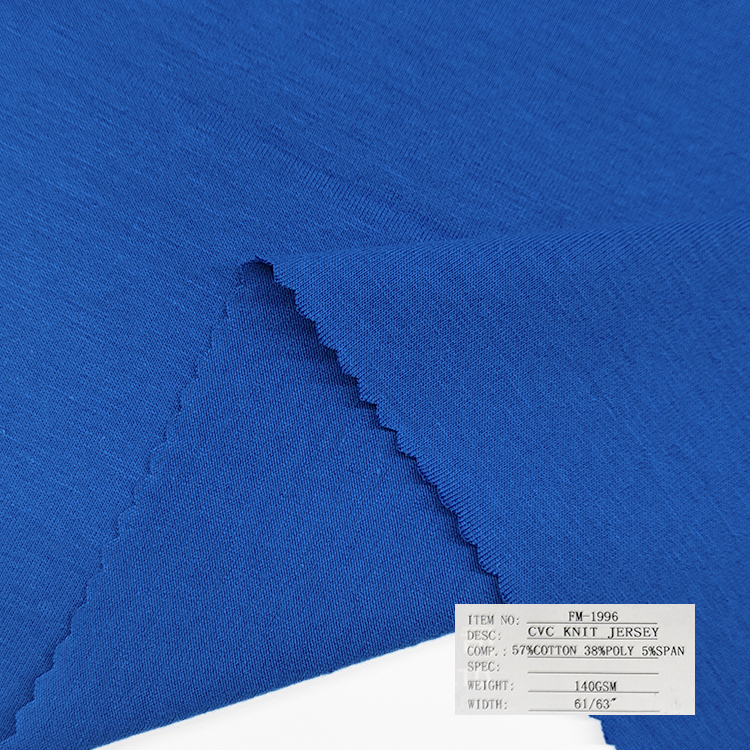
Polyester jersey fabric has become a cornerstone material in the modern textile industry, offering manufacturers and designers a versatile solution for countless applications. Whether you're developing activewear, casual apparel, or intimate garments, polyester jersey fabric delivers exceptional performance characteristics that align with both consumer expectations and production efficiency. This comprehensive guide explores the different types of polyester jersey fabric, their specific uses, and the tangible benefits that make this material a preferred choice across multiple sectors.
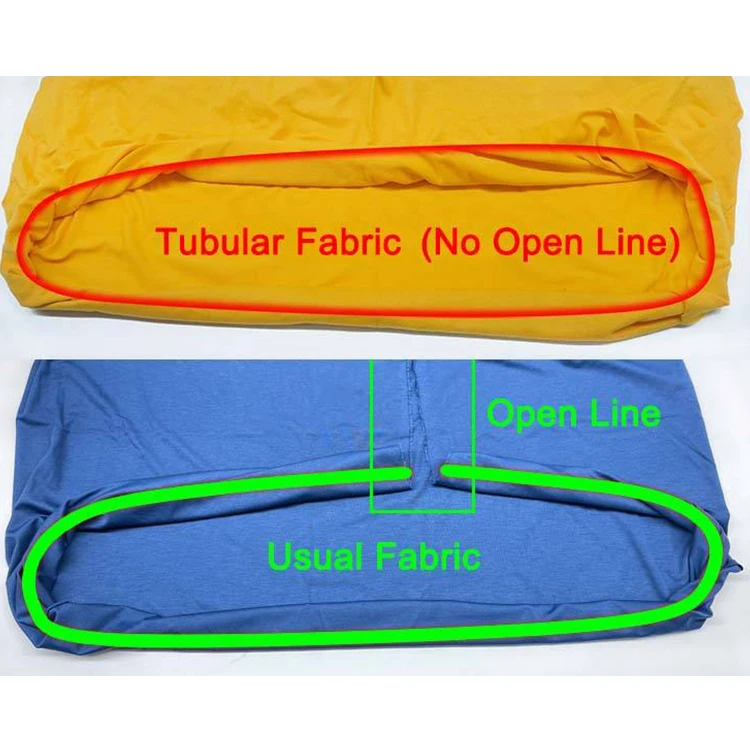
Understanding the properties and applications of polyester jersey fabric is essential for anyone involved in garment production, textile sourcing, or fashion innovation. The fabric's unique construction, combined with its inherent advantages, makes it an economical and performance-driven choice. This guide will help you make informed decisions about incorporating polyester jersey fabric into your product line, ensuring you select the right variant for your specific manufacturing needs.
Understanding Polyester Jersey Fabric Composition
Core Material Structure
Polyester jersey fabric is constructed from polyester yarns that are knitted together in a specific pattern to create a smooth, flexible surface. The fundamental structure of polyester jersey fabric consists of loops that interlock, providing natural stretch and recovery. This knit construction distinguishes polyester jersey fabric from woven alternatives, offering garments made from polyester jersey fabric superior comfort and range of motion. The fiber composition directly influences how polyester jersey fabric behaves in production and wear.
Weight and Density Variations
Polyester jersey fabric comes in various weights, ranging from lightweight versions suitable for layering garments to heavier constructions designed for structured pieces. The density of polyester jersey fabric affects its drape, breathability, and durability characteristics. Lightweight polyester jersey fabric typically weighs between 150 to 200 grams per square meter, while medium-weight polyester jersey fabric ranges from 200 to 250 grams per square meter. Understanding these variations helps manufacturers select the appropriate polyester jersey fabric for specific end-use applications and target markets.
Primary Applications and Industry Use Cases
Activewear and Performance Apparel
The activewear industry extensively utilizes polyester jersey fabric for its moisture-wicking capabilities and stretch recovery properties. Polyester jersey fabric used in performance garments allows athletes and active individuals to maintain comfort during intense physical activity. The fabric's ability to retain its shape after repeated wear makes polyester jersey fabric ideal for leggings, fitted tops, and compression wear. Manufacturers appreciate how polyester jersey fabric maintains color vibrancy through multiple wash cycles, ensuring products maintain their aesthetic appeal throughout their lifecycle.
Casual and Everyday Wear
Beyond athletic applications, polyester jersey fabric serves as a foundational material for everyday casual clothing. T-shirts, casual dresses, and comfortable loungewear frequently incorporate polyester jersey fabric due to its softness and ease of care. The accessibility and affordability of polyester jersey fabric make it an attractive choice for brands targeting mainstream consumer segments. Polyester jersey fabric's resistance to shrinkage and wrinkling reduces maintenance challenges for consumers, contributing to the material's widespread popularity in casual apparel markets.
Intimate Apparel and Undergarments
Intimate apparel manufacturers rely heavily on polyester jersey fabric for its comfort, elasticity, and smooth hand-feel against skin. Polyester jersey fabric used in undergarments provides the necessary support and flexibility while maintaining breathability. The fabric's quick-drying properties make polyester jersey fabric particularly suitable for items requiring frequent washing. Polyester jersey fabric in intimate apparel applications combines functionality with the comfort standards consumers increasingly demand.
Key Benefits and Competitive Advantages
Durability and Longevity
One of the most significant advantages of polyester jersey fabric is its exceptional durability compared to natural fiber alternatives. Polyester jersey fabric resists pilling, maintains structural integrity through numerous wear cycles, and exhibits strong resistance to environmental stressors. The inherent strength of polyester jersey fabric fibers means garments maintain their appearance and functionality longer than equivalent natural fiber products. This durability translates to cost savings for consumers and reduced environmental impact through extended product lifecycles, making polyester jersey fabric a sustainable choice despite its synthetic origin.
Moisture Management and Quick-Dry Properties
Polyester jersey fabric excels at moisture management, rapidly releasing perspiration to the fabric surface where it evaporates. This quick-dry characteristic of polyester jersey fabric makes it particularly valuable for activewear and gym clothing. Athletes and active consumers appreciate how polyester jersey fabric prevents the heavy, waterlogged feeling associated with moisture-saturated garments. The moisture-wicking performance of polyester jersey fabric extends beyond athletic applications, providing practical advantages in humid climates and high-activity environments.
Ease of Care and Maintenance
Polyester jersey fabric significantly reduces laundry burden for end consumers through its low-maintenance characteristics. Unlike delicate natural fibers, polyester jersey fabric tolerates aggressive washing, high-temperature drying, and wrinkle-prone conditions without degradation. The fabric's resistance to shrinkage means garments made from polyester jersey fabric maintain consistent sizing through numerous wash cycles. These practical advantages have made polyester jersey fabric increasingly attractive to busy consumers seeking clothing that performs reliably without specialized care requirements.
Cost Efficiency in Production
From a manufacturing perspective, polyester jersey fabric offers significant economic advantages through efficient production processes and consistent quality. Polyester jersey fabric's availability from multiple global suppliers ensures stable pricing and reliable supply chains. The knit construction of polyester jersey fabric requires less complex processing than certain woven alternatives, reducing production costs without compromising quality. This cost efficiency allows brands to maintain competitive pricing while using polyester jersey fabric, ultimately benefiting both manufacturers and consumers.
Color Retention and Vibrancy
Polyester jersey fabric demonstrates superior color retention compared to natural fibers, maintaining vibrant hues through extended wear and repeated laundering. The fiber's chemical structure accepts dyes efficiently, enabling vivid color applications in polyester jersey fabric. Brands leverage this characteristic to create eye-catching designs that remain visually appealing throughout a garment's useful life. The color stability of polyester jersey fabric makes it particularly suitable for fashion-forward designs where color fidelity matters to brand identity and consumer satisfaction.
FAQ
What distinguishes polyester jersey fabric from cotton jersey fabric?
Polyester jersey fabric offers superior durability, faster drying times, and better color retention compared to cotton jersey alternatives. While cotton provides softer hand-feel initially, polyester jersey fabric maintains shape recovery and maintains performance through significantly more wear and wash cycles. Polyester jersey fabric is typically more affordable and resistant to shrinkage, making it ideal for activewear and casual apparel where durability and ease of care are priorities. Many manufacturers blend these fibers, creating polyester jersey fabric blends that combine the best properties of both materials for optimal performance.
How does polyester jersey fabric perform in terms of stretch and recovery?
Polyester jersey fabric exhibits excellent natural stretch capacity due to its knit construction, allowing garments to move with the wearer's body. The fiber's inherent elasticity means polyester jersey fabric quickly recovers to its original shape after being stretched or compressed. This recovery capability is one of the defining characteristics that makes polyester jersey fabric preferred for fitted apparel and activewear. Unlike fabrics that lose elasticity over time, polyester jersey fabric maintains consistent stretch recovery even after hundreds of washing and wearing cycles, ensuring long-term fit and comfort.
Is polyester jersey fabric suitable for sensitive skin applications?
While polyester jersey fabric is generally well-tolerated by most consumers, some individuals with highly sensitive skin may prefer natural fiber alternatives like organic cotton. However, many manufacturers address skin sensitivity concerns by blending polyester jersey fabric with cotton or other natural fibers to create hybrid materials that balance durability with natural fiber comfort. High-quality polyester jersey fabric undergoes rigorous testing to ensure it meets international safety and skin contact standards. For applications requiring maximum breathability alongside polyester jersey fabric's advantages, lighter-weight constructions provide enhanced comfort while maintaining the material's performance benefits.