
 EN
EN


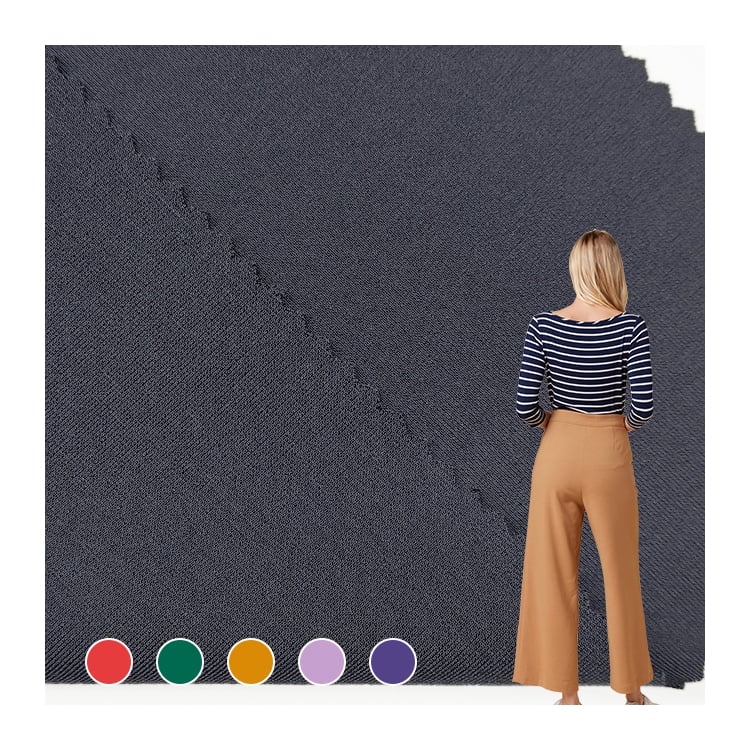
Pri výbere vhodného textilu pre oblečenie, nábytok alebo priemyselné aplikácie sa často stáva rozhodnutie medzi piqué tkanina a bavlnou kľúčovou záležitosťou. Pique látka s jej charakteristickým texturovaným povrchom a vynikajúcou priepustnosťou pre vzduch získala v rôznych odvetviach významnú popularitu. Porozumenie základným rozdielom medzi týmito dvoma materiálmi môže pomôcť výrobcom, dizajnérom a spotrebiteľom urobiť informované rozhodnutia na základe ich konkrétnych požiadaviek. Oba materiály ponúkajú jedinečné vlastnosti, ktoré plnia rôzne účely v textilnom priemysle.
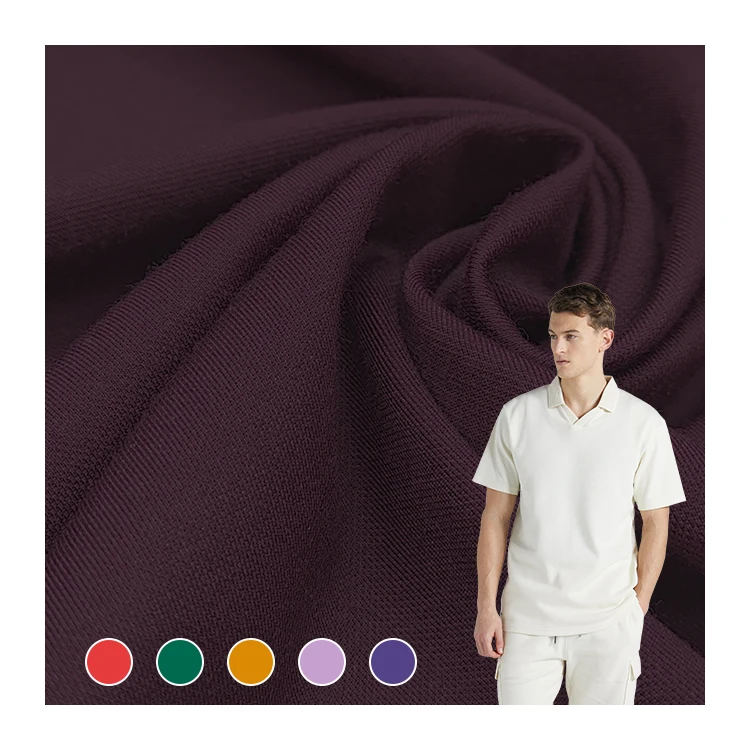
Textilný priemysel sa stále vyvíja s inovatívnymi technikami tkania a zložením materiálov. Piquetová látka predstavuje sofistikovaný prístup k výrobe textílií, ktorý kombinuje tradičné metódy tkania s modernou vláknovou technológiou. Táto komplexná analýza preskúma štrukturálne rozdiely, výkonné charakteristiky a praktické aplikácie oboch materiálov, aby poskytla jasnosť rozhodovateľom v rôznych odvetviach.
Pochopte konštrukciu piquetovej látky
Techniky tkania a štruktúra
Piquetová látka sa vyznačuje svojou jedinečnou trojrozmernou textúrou, ktorá vzniká špeciálnymi tkaním technikami. Látka obsahuje vystupujúce vzory alebo hrebeňovité útvary, ktoré vytvárajú charakteristickú povrchovú textúru, zvyčajne dosiahnutú kombináciou pozdĺžnych a priečnych nití usporiadaných v určitých geometrických vzoroch. Táto konštrukcia látky zabezpečuje zvýšenú priepustnosť pre vzduch a schopnosť odvádzať vlhkosť, čo robí piquetovú látku obzvlášť vhodnou pre športové oblečenie a letné oblečenie.
Proces tkania piquetovej látky zahŕňa vytváranie plávajúcich nití, ktoré tvoria charakteristický vystupujúci vzor. Tieto plávajúce nite sú upevnené viažucimi nitemi, čím sa vytvorí stabilná štruktúra pri zachovaní texturovaného povrchu. Táto technika konštrukcie umožňuje vynikajúcu cirkuláciu vzduchu medzi látkou a kožou, čo ju robí ideálnou voľbou pre použitie v teplom počasí.
Možnosti složení materiálu
Moderný piqué materiál sa môže vyrábať z rôznych kombinácií vlákien, vrátane bavlny, polyesteru, rayonu a zmiešaných materiálov. Voľba zloženia vlákien výrazne ovplyvňuje prevádzkové vlastnosti materiálu, jeho trvanlivosť a požiadavky na údržbu. Piqué z bavlny ponúka prirodzenú dýchavosť a pohodlie, zatiaľ čo syntetické zmesi poskytujú zlepšené odvádzanie vlhkosti a odolnosť voči tvorbe záhybov.
Pokročilé výrobné techniky umožňujú teraz výrobu piqué tkanina pomocou inovatívnych kombinácií vlákien, ako sú zmesi rayonu a nylonu, ktoré ponúkajú vynikajúcu drape, obnovu natiahnutia a udržanie farby. Tieto rozvojové trendy rozšírili uplatnenie piqué materiálu mimo tradičných polokojiet na technické oblečenie a výkonnostné oblečenie.
Základy bavlneného materiálu
Vlastnosti prírodných vlákien
Bavlna stále patrí medzi najviac využívané prírodné vlákna v textilnom priemysle vďaka svojej všestrannosti, pohodlnosti a dostupnosti. Bunčitá štruktúra vlákna umožňuje vynikajúcu schopnosť absorbovať vlhkosť, čo robí bavlnené látky pohodlnými na nošenie v rôznych klimatických podmienkach. Medzi prírodné vlastnosti bavlny patria dobrá pevnosť v ťahu, možnosť prania a ľahká schopnosť prijímať farbivá.
Kvalita bavlnenej látky závisí výrazne od dĺžky vlákna (staple length), jemnosti vlákna a metód spracovania použitých počas výroby. Dlhovláknové odrôdy bavlny vytvárajú hladšie a pevnejšie látky s lepšou udržaním vzhľadu v priebehu času. Prírodné vlastnosti bavlny ju robia vhodnou pre široké spektrum aplikácií – od základného odevného priemyslu až po domáce textílie a priemyselné využitie.
Výroba a spracovanie
Výroba bavlneného plátna zahŕňa niekoľko spracovateľských etáp, vrátane odsekania, česania, pradenia, tkania alebo pletenia a dokončovania. Každá etapa ovplyvňuje konečné vlastnosti plátna, vrátane dotyku, vzhľadu a výkonnostných vlastností. Moderné techniky spracovania bavlny využívajú pokročilé strojné vybavenie a chemické úpravy na zlepšenie vlastností plátna, ako sú odolnosť voči tvorbe záhybov, odolnosť voči škvŕnám a rozmerná stabilita.
Dokončovacie procesy aplikované na bavlnené látky môžu výrazne zmeniť ich výkonnostné vlastnosti. Mercerizácia zvyšuje lesk a schopnosť prijímať farbu, zatiaľ čo rôzne chemické úpravy môžu poskytnúť špecifické vlastnosti, napríklad antimikrobiálnu ochranu alebo nehorľavosť. Tieto možnosti spracovania umožňujú bavlneným látkam úspešne konkurrovať syntetickým alternatívam v špecializovaných aplikáciách.
Analýza porovnania výkonu
Dýchavosť a riadenie vlhkosti
Pique tkanina vykazuje v porovnaní so štandardnými bavlnenými väzbami vynikajúcu priedušnosť vďaka svojej trojrozmernej štruktúre. Vyvýšené vzory vytvárajú vzduchové kapsy, ktoré uľahčujú cirkuláciu vzduchu, vďaka čomu je obzvlášť účinná pri regulácii teploty. Táto vlastnosť robí z piké tkaniny vynikajúcu voľbu pre aktívne oblečenie, športové oblečenie a oblečenie určené do teplého podnebia.
Hoci bavlna ponúka dobrú prirodzenú schopnosť absorbovať vlhkosť, jej schopnosť uvoľňovať vlhkosť môže byť obmedzená v porovnaní so štruktúrovaným dizajnom piké látky. Texturovaný povrch piké látky umožňuje rýchlejšie odparovanie vlhkosti a znížený kontakt látky s kožou, čo zvyšuje celkový komfort počas fyzickej aktivity alebo v vlhkom prostredí.
Odolnosť a údržba
Oboje, piquetová tkanina aj bavlna, preukazujú dobrú trvanlivosť, ak sú vyrobené z kvalitných vlákien a pomocou vhodných techník spracovania. Konkrétna štruktúra väzby piquetovej tkaniny však môže ovplyvniť jej odolnosť voči tvorbe guľôčok a opotrebovaniu. Vystupujúce časti vzoru môžu byť pri aplikáciách s vysokým trením viac náchylné na opotrebovanie, čo si vyžaduje dôkladné zváženie požiadaviek koncového použitia.
Požiadavky na údržbu sa medzi týmito typmi tkanín líšia v závislosti od zloženia vlákien a dokončovacích úprav. Bavlnené tkaniny zvyčajne vyžadujú jednoduché postupy starostlivosti, zatiaľ čo piquetová tkanina môže vyžadovať špeciálne opatrenia na zachovanie jej texturovanej povrchovej štruktúry. Voľba zmesi vlákien v piquetovej tkanine výrazne ovplyvňuje požiadavky na údržbu aj trvanlivosť výkonu.
Špecifické zváženie aplikácie
Aplikácie v odvetví odevov
V odvetví odevov sa píkovo tkanivo už zjednoznačilo ako preferovaný materiál pre polo košele, tenisové oblečenie a každodenné športové oblečenie. Prirodzené chladivé vlastnosti tkaniny a jej profesionálny vzhľad ju robia vhodnou pre prostredia s business-casual štýlom aj pre propagandné oblečenie. Texturovaný povrch poskytuje vizuálny záujem a zároveň zachováva elegantný vzhľad, ktorý je vhodný nielen pre korporátne, ale aj pre rekrečné aplikácie.
Bavlnené tkaniny sa používajú v širšom spektre odevových aplikácií – od základných tričiek a spodného prádla až po formálne oblečenie a luxusné módné výrobky. Všestrannosť bavlny umožňuje rôzne hmotnosti tkanín, textúry a úpravy povrchu, ktoré dokážu spĺňať rozmanité štýlové i výkonnostné požiadavky. Avšak pre špecifické aplikácie, kde je vyžadované zvýšené odvádzanie vlhkosti, môže píkovo tkanivo ponúkať lepšie výkonné vlastnosti.
Priemyselné a technické použitie
Piké látka našla uplatnenie nielen v tradičnom oblečení, ale aj v tapetovaniach, interiéroch automobilov a technických textiloch, kde sú dôležitými faktormi predušnosť a textúra. Trojrozmerná štruktúra môže v špeciálnych aplikáciách zabezpečiť zvýšenú priľnavosť alebo dotykové vlastnosti. Priemyselná piké látka často obsahuje syntetické vlákna, aby spĺňala špecifické požiadavky na výkon, ako je odolnosť voči plameňu alebo chemická kompatibilita.
Bavlnené látky stále zohrávajú kľúčovú úlohu v mnohých priemyselných aplikáciách, vrátane filtračných systémov, lekárskych textílií a ochranného oblečenia. Prirodzené vlastnosti bavlny ju robia vhodnou pre aplikácie, ktoré vyžadujú biokompatibilitu, schopnosť absorbovať alebo špecifickú odolnosť voči chemikáliám. Avšak v prípadoch, keď sa vyžaduje zvýšený výkon v oblasti riadenia vlhkosti alebo dimenzionálnej stability, môžu byť vhodnejšie alternatívy piké látky.
Náklady a ekonomické faktory
Nákladová efektívnosť výroby
Výrobné náklady na pique látku zvyčajne presahujú náklady na základné bavlnené látky kvôli špeciálnej tkaninovej technike a vybaveniu, ktoré sú potrebné. Zložitá štruktúra pique látky vyžaduje pokročilejšie stroje a kvalifikovaných operátorov, čo prispieva k vyšším výrobným nákladom. Výhodná cenová politika pre výrobky z pique látky však často odôvodňuje dodatočné investície do výroby.
Náklady na suroviny pre obe typy látok závisia od kvality vlákna, trhových podmienok a stratégií získavania surovín. Cena bavlny kolíše v závislosti od poľnohospodárskych faktorov a globálnych dodávacích reťazcov, zatiaľ čo syntetické vlákna používané v zmesiach pique látky môžu ponúkať väčšiu cenovú stabilitu. Celkové náklady je potrebné posúdiť nielen z hľadiska počiatočných nákladov na materiál, ale aj z hľadiska nákladov na spracovanie, dokončovacie úpravy a kontrolu kvality.
Trhová hodnota a pozícionovanie
Tkáň pique si v mnohých trhových segmentoch vyžaduje prémiové ceny v dôsledku vnímanej kvality, výkonnostných výhod a spojenia s luxusnými značkami. Texturovaný vzhľad a zvýšená funkčnosť odôvodňujú vyššie predajné ceny v porovnaní so základnými bavlnenými alternatívami. Toto postavenie robí tkáň pique atraktívnou pre značky, ktoré sa snažia diferencovať svoje výrobky na konkurenčných trhoch.
Bavlnené tkaniny obsluhujú rôzne trhové segmenty – od ekonomického po luxusný – pričom ich cena odráža kvalitu vlákna, zložitosť konštrukcie a pozíciu značky. Zatiaľ čo základné bavlnené tkaniny sú v prvom rade cenovo konkurencieschopné, prémiové bavlnené výrobky môžu dosahovať ceny porovnateľné so špecializovanými tkaninami, ako je napríklad tkanina pique. Úspech na trhu závisí od efektívneho komunikovania špecifických výhod a vhodných aplikácií pre každý typ materiálu.
Environmentálne a udržateľnostné aspekty
Posudzovanie vplyvu na životné prostredie
Environmentálny dopad pique látky sa výrazne líši v závislosti od zloženia vlákna a výrobných procesov. Pique látka z prírodných vlákien vyrobená z organického bavlny alebo udržateľných materiálov má lepší environmentálny profil v porovnaní so syntetickými alternatívami. Komplexné tkané procesy však môžu počas výroby vyžadovať dodatočnú spotrebu energie a vody.
Výroba bavlny má dobre zdokumentovaný environmentálny dopad, vrátane spotreby vody, používania pesticidov a nárokov na pôdu. Na riešenie týchto problémov vznikli iniciatívy pre udržateľnú bavlnu, vrátane organickej pestovateľskej metódy a programov pre lepšiu bavlnu. Pri environmentálnom porovnaní pique látky a bavlny je potrebné zohľadniť celý životný cyklus – od výroby vlákna až po likvidáciu alebo recykláciu na konci životnosti.
Udržateľné výrobné postupy
Moderní výrobcovia textílií zavádzajú udržateľné postupy nielen pri výrobe pique látky, ale aj bavlny. Medzi tieto postupy patria systémy na recirkuláciu vody, využívanie obnoviteľných zdrojov energie a zníženie používania chemikálií pri spracovaní. Výrobcovia pique látky preskúmavajú inovatívne kombinácie vlákien, ktoré znižujú environmentálny dopad bez kompromisu s výkonnostnými vlastnosťami.
Výhoda z hľadiska udržateľnosti často závisí viac od výrobných postupov ako od špecifického štruktúrneho usporiadania látky. Ako pique látka, tak aj bavlna sa môžu vyrábať ekologicky zodpovednými metódami, ak výrobcovia v celej svojej činnosti kladú dôraz na udržateľnosť. Požiadavky spotrebiteľov na udržateľné textílie stále viac podporujú inovácie v oboch kategóriách materiálov.
Budúce trendy a inovácie
Integrácia technológií
Vznikajúce technológie vytvárajú nové možnosti pre vývoj piqué látky aj bavlny. Do oboch typov látok sa integrujú inteligentné textílie obsahujúce elektronické komponenty, antimikrobiálne úpravy a pokročilé systémy na riadenie vlhkosti. Trojrozmerná štruktúra piqué látky poskytuje jedinečné možnosti na začlenenie funkčných prvkov pri zachovaní estetickej atraktivity.
Digitálne tlačové techniky a pokročilé techniky farbenia rozširujú dizajnové možnosti pre oba typy materiálov. Texturovaný povrch piqué látky vytvára zaujímavé interakcie s digitálnymi tlačami a farebnými aplikáciami, zatiaľ čo vysoká prijímateľnosť bavlny rôznym dokončovacím úpravám stále podporuje inovácie v oblasti funkčných vlastností a zlepšovania vzhľadu.
Vývoj trhu
Textilný trh sa naďalej vyvíja vzhľadom na meniace sa preferencie spotrebiteľov, regulačné požiadavky a technologické možnosti. Piqué látka sa rozširuje mimo tradičných aplikácií do nových trhových segmentov, vrátane technických textílií, domácich výrobkov a špeciálnej odevnej výrobnej línie. Toto rozšírenie je podporované vylepšenými výrobnými technikami a inovatívnymi kombináciami vlákien.
Aplikácie bavlnených látok sa zlepšujú prostredníctvom biotechnológie, vrátane geneticky modifikovaných odrôd bavlny a inovatívnych spracovateľských techník. Kombinácia tradičných výhod prírodných vlákien s modernou technológiou vytvára príležitosti pre bavlnu, aby úspešne konkurrovala syntetickým alternatívam v aplikáciách, kde je kľúčový výkon.
Často kladené otázky
Čo robí piqué látku odlišnou od bežnej bavlnenej látky
Piqué látka sa od bežnej bavlny líši svojou charakteristickou trojrozmernou štruktúrou tkaniny, ktorá vytvára vystupujúce vzory alebo hrebeňové pruhy na povrchu. Táto konštrukcia zabezpečuje vyššiu dýchavosť, lepšiu reguláciu vlhkosti a výraznejšiu textúru v porovnaní s hladkými bavlnenými tkaninami. Zatiaľ čo bavlna označuje obsah vlákna, piqué látka opisuje konkrétnu techniku tkania, ktorú je možné použiť na rôzne typy vlákien vrátane bavlny, čím sa dosiahnu zlepšené výkonové vlastnosti.
Ktorá látka je lepšia pre oblečenie do horúceho počasia
Piqué látka sa všeobecne lepšie osvedčuje v horúcom počasí vďaka svojej štruktúrovanej konštrukcii, ktorá podporuje cirkuláciu vzduchu a zníženie kontaktu s kožou. Trojrozmerná textúra vytvára vzduchové medzery, ktoré uspĺňajú chladenie a odparovanie vlhkosti. Hoci bavlna ponúka prirodzenú dýchavosť, špecifická konštrukcia piqué látky poskytuje lepšiu reguláciu teploty, čo ju robí uprednostňovanou voľbou pre oblečenie určené pre teplé klímy a športové aktivity.
Ako sa porovnávajú požiadavky na starostlivosť a údržbu týchto látok
Požiadavky na starostlivosť závisia viac od zloženia vlákna ako od štruktúry látky, avšak piqué látka môže vyžadovať jemnejšie zaobchádzanie, aby sa zachoval jej texturovaný vzhľad. Bavlnené látky sa všeobecne ľahko udržiavajú pomocou bežných postupov prania a sušenia. Pri piqué látke je výhodné oblečenie pred praním obrátiť naruby a vyhýbať sa nadmernej teplote, ktorá by mohla sploštiť texturovaný povrch. Obe látky profitujú z vhodnej starostlivosti, ktorá zabezpečuje udržanie ich vzhľadu aj funkčnosti v priebehu času.
Ktorá látka ponúka lepšiu hodnotu pre rôzne aplikácie
Hodnotová ponúka závisí od špecifických požiadaviek aplikácie a priorít výkonu. Látka pique ponúka vynikajúcu hodnotu pre aplikácie, ktoré vyžadujú zvýšenú priepustnosť vzduchu, efektívne riadenie vlhkosti a luxusný vzhľad, čím sa jej vyššia cena ospravedlňuje zlepšenou funkčnosťou. Bavlna poskytuje vynikajúcu hodnotu pre základné aplikácie, kde sú primárnymi faktormi cenová výhodnosť a všestrannosť. Voľba by mala zodpovedať požiadavkám na výkon, estetickým preferenciám a rozpočtovým obmedzeniam, aby sa dosiahla optimálna realizácia hodnoty.