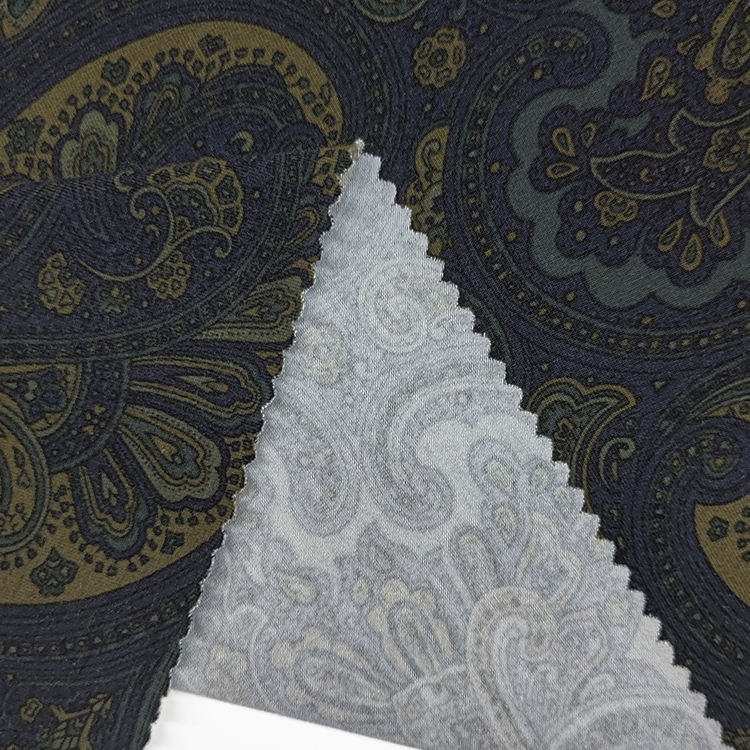
Modal Fabric Price Guide - Quality & Value

Get a Free Quote

Our representative will contact you soon.
Email
Name
Company Name
Message
0/1000

modal fabric price

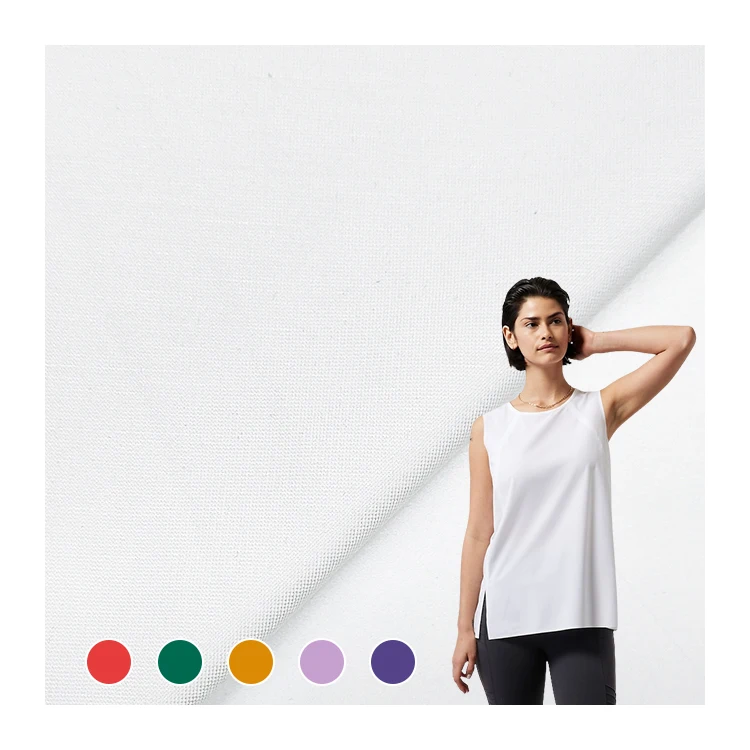
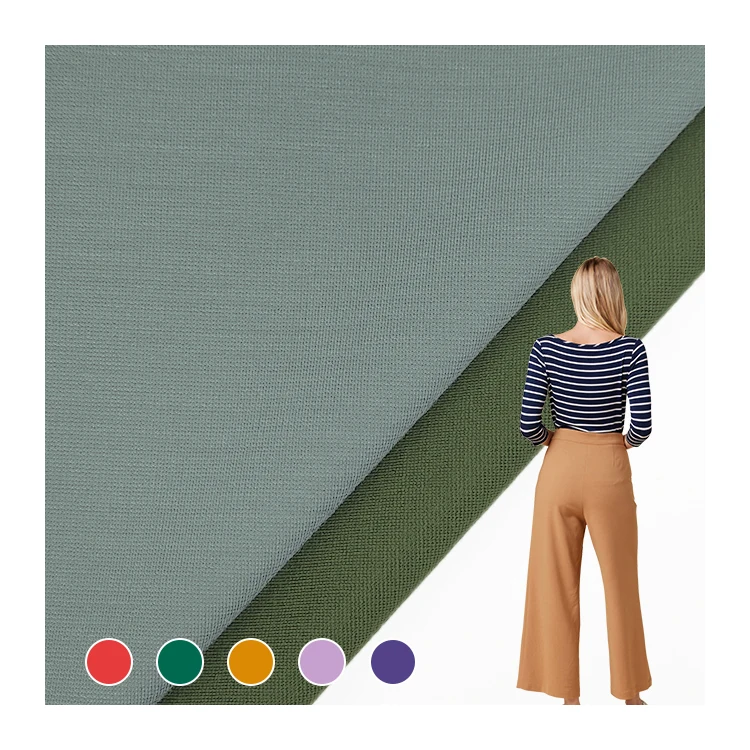
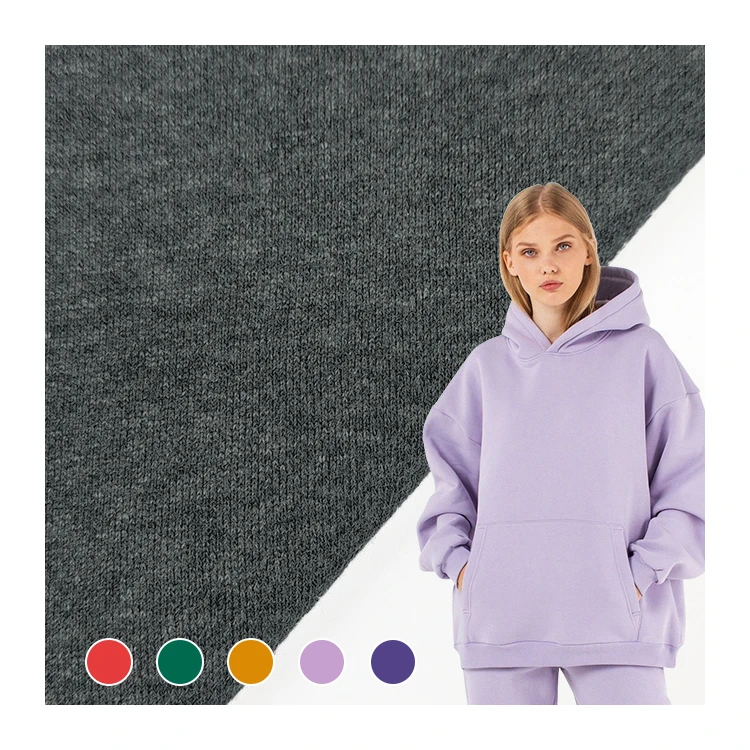
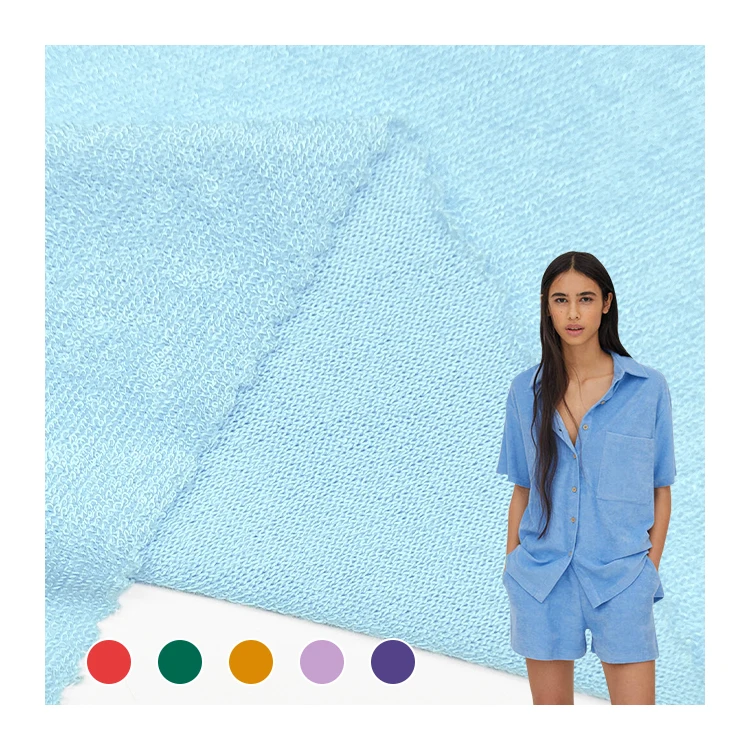
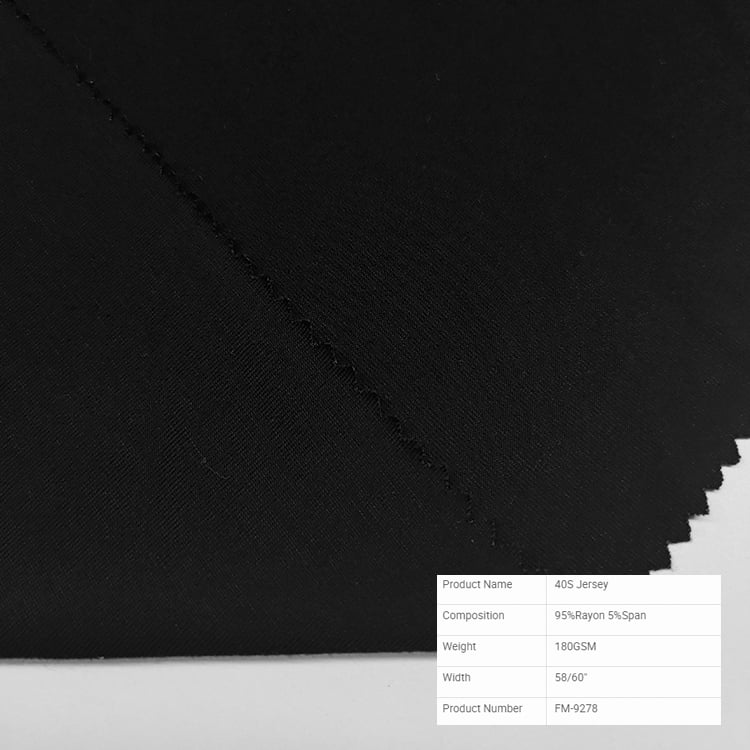
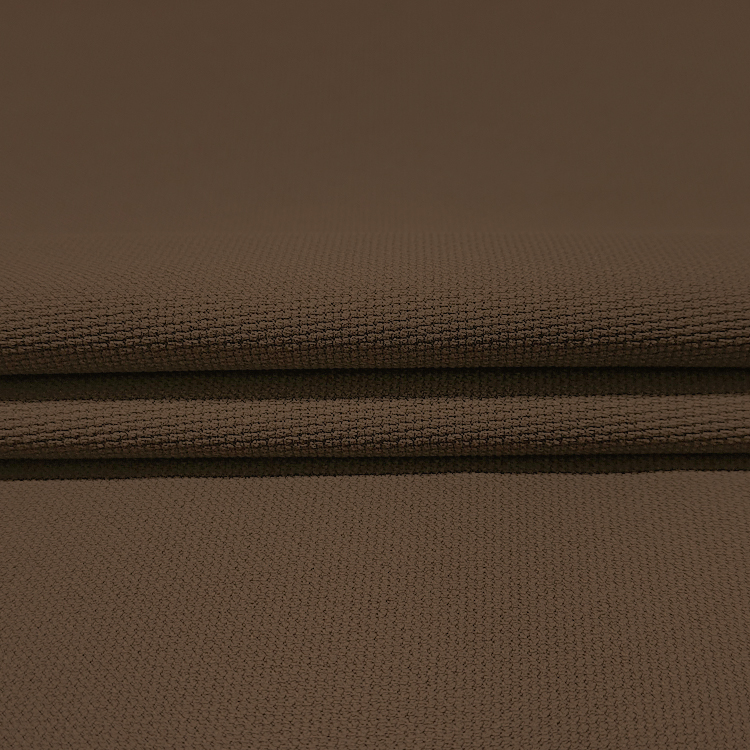
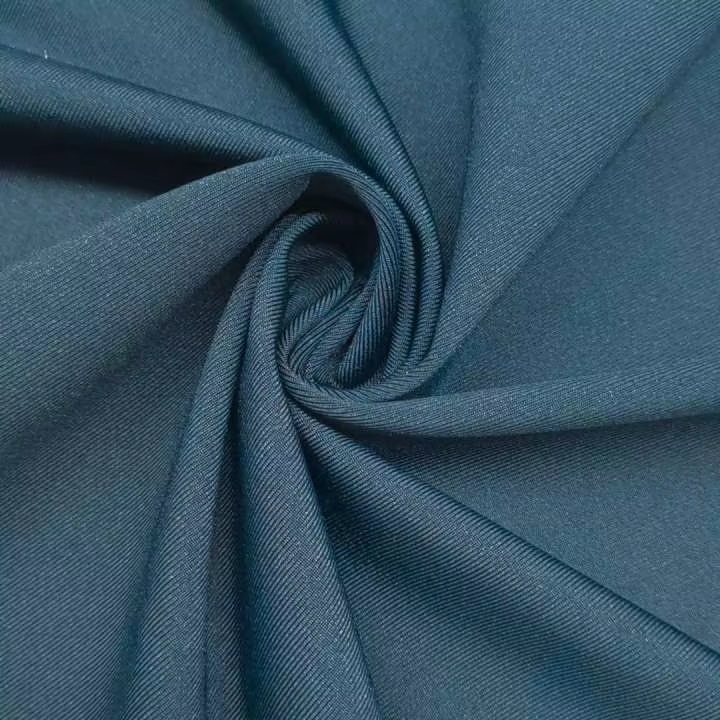
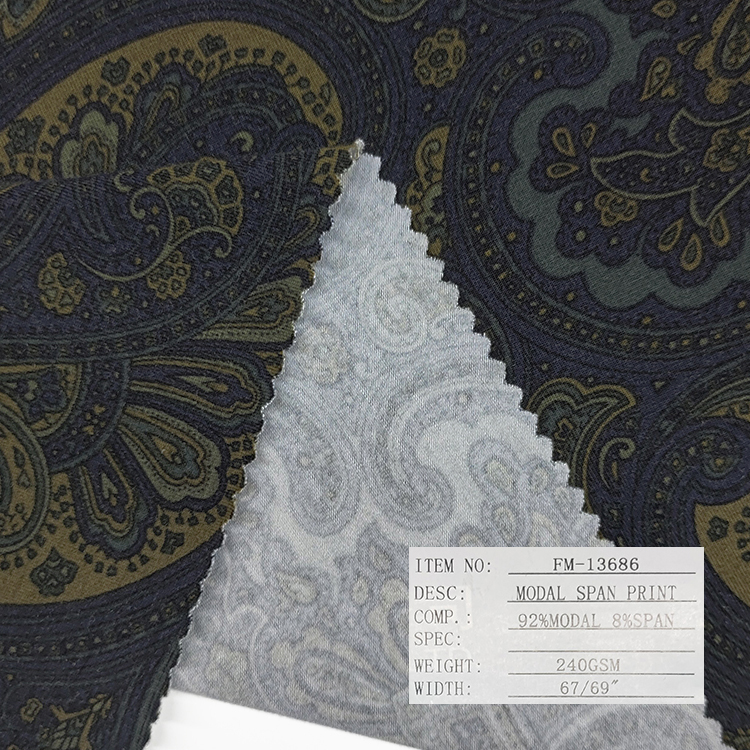
Modal fabric price reflects the value of a premium semi-synthetic textile derived from beech tree pulp through an eco-conscious manufacturing process. Understanding modal fabric price is essential for buyers seeking sustainable, soft, and durable textiles for various applications. The cost structure encompasses raw material sourcing, specialized production techniques, and quality certifications that distinguish this fiber from conventional alternatives. Modal fabric price typically positions between standard cotton and luxury silk, offering exceptional value through superior performance characteristics. This textile exhibits remarkable breathability, moisture-wicking properties, and color retention that justify its market positioning. The manufacturing process involves dissolving beech wood cellulose and reconstituting it into fine fibers, creating a fabric that drapes beautifully and resists shrinkage. When evaluating modal fabric price, buyers should consider long-term benefits including reduced replacement frequency, lower maintenance costs, and enhanced end-user satisfaction. The price spectrum varies based on fabric weight, weave construction, blend composition, and supplier certifications. Premium modal varieties incorporating organic beech wood or advanced finishing treatments command higher prices but deliver measurable performance advantages. Market factors influencing modal fabric price include raw material availability, production capacity, transportation logistics, and evolving sustainability standards that shape the competitive landscape for conscious textile procurement.

New Product Recommendations

Evaluating modal fabric price reveals significant buyer advantages that extend beyond initial procurement costs. This textile delivers exceptional durability, maintaining structural integrity through numerous wash cycles while conventional fabrics deteriorate rapidly, reducing long-term replacement expenses. The superior softness of modal fabric enhances product appeal, allowing manufacturers to command premium pricing for finished goods while maintaining competitive modal fabric price points during sourcing. Moisture management capabilities make this fabric ideal for activewear, intimate apparel, and bedding applications where comfort directly impacts consumer satisfaction and brand loyalty. When comparing modal fabric price against cotton alternatives, buyers discover reduced shrinkage rates that minimize production waste and improve pattern efficiency, translating to material cost savings during manufacturing. The fabric's color fastness properties reduce dye consumption and processing costs while ensuring vibrant, lasting aesthetics that support brand differentiation strategies. Modal fabric price reflects inherent antibacterial properties that add value for hygiene-focused applications without requiring additional chemical treatments or finishing processes. Environmental considerations embedded in modal fabric price support corporate sustainability initiatives, as beech trees require minimal water and pesticides compared to cotton cultivation, strengthening supply chain responsibility narratives. Production facilities appreciate modal's blending versatility, allowing strategic combination with cotton, spandex, or polyester to optimize performance characteristics while managing modal fabric price according to specific application requirements. The textile's wrinkle resistance reduces post-production finishing requirements, lowering operational costs and accelerating time-to-market for fashion brands and textile converters seeking efficiency advantages in competitive markets.

Practical Tips

2025 Rib Fabric Guide: Types, Uses & Benefits

15

Apr

2025 Rib Fabric Guide: Types, Uses & Benefits

The textile landscape of 2025 continues to evolve with sophisticated fabric constructions, and rib fabric stands at the forefront of this innovation. This comprehensive guide explores the essential characteristics, diverse types, and significant bene...
View More
2025 Sportswear Fabric Guide: Top Materials for Athletes

15

Apr

2025 Sportswear Fabric Guide: Top Materials for Athletes

The athletic apparel industry continues to evolve rapidly in 2025, with innovative sportswear fabric technologies leading the charge in performance enhancement. Athletes today demand more than basic moisture management from their gear—they require fa...
View More
Sportswear Fabric Technology: Moisture-Wicking Guide

30

Jun

Sportswear Fabric Technology: Moisture-Wicking Guide

Modern sportswear performance hinges critically on the fabric technology used in garment construction, with moisture-wicking fabric representing the cornerstone innovation that separates professional athletic apparel from ordinary clothing. Whether a...
View More
Top Loungewear Fabric Types for Ultimate Comfort

30

Jun

Top Loungewear Fabric Types for Ultimate Comfort

Choosing the right loungewear fabric is one of the most important decisions in designing or purchasing comfortable everyday garments. The loungewear fabric you select directly influences how a garment feels against the skin, how it holds its shape ov...
View More

Get a Free Quote

Our representative will contact you soon.
Email
Name
Company Name
Message
0/1000

modal fabric price

Cost-Performance Balance in Market Positioning

Cost-Performance Balance in Market Positioning

Understanding modal fabric price within the broader textile market reveals strategic positioning that balances premium quality with accessible procurement costs. This fabric commands pricing approximately 20-40 percent higher than conventional cotton but delivers performance characteristics that justify the differential through extended product lifecycles and enhanced user satisfaction. The modal fabric price structure reflects sophisticated production technology that transforms renewable beech wood into luxurious fibers with minimal environmental impact, supporting both quality objectives and sustainability commitments. Bulk purchasing opportunities and established supplier relationships can optimize modal fabric price negotiations, particularly for consistent volume commitments that enable mills to achieve production efficiencies. Regional price variations exist based on proximity to beech forests in Austria and Scandinavia, where primary raw materials originate, making supplier selection a critical factor in managing overall modal fabric price exposure. Forward-thinking buyers recognize that modal fabric price represents an investment in product differentiation rather than a simple commodity expense, as the fiber's unique properties enable premium positioning in competitive consumer markets where texture, comfort, and environmental credentials drive purchasing decisions.
Quality Specifications Affecting Price Points

Quality Specifications Affecting Price Points

Modal fabric price varies significantly based on technical specifications that determine end-use suitability and performance characteristics. MicroModal varieties featuring ultra-fine fiber construction command premium pricing but deliver exceptional softness approaching cashmere-like luxury, making elevated modal fabric price justifiable for high-end intimate apparel and specialty bedding applications. Fabric weight specifications directly influence modal fabric price, with lightweight jersey knits for activewear priced differently than substantial woven constructions for home textiles and structured garments. Blending ratios dramatically impact modal fabric price structures, as pure modal fabrics cost more than cotton-modal or polyester-modal combinations, yet each formulation serves distinct application requirements balancing performance and budget considerations. Finishing treatments including enzyme washing, calendaring, or special dyeing processes add incremental costs to base modal fabric price but unlock specific aesthetic or functional properties that differentiate final products in crowded marketplaces. Certification requirements such as OEKO-TEX, FSC forest management standards, or organic processing credentials influence modal fabric price through compliance costs, yet these certifications increasingly represent market entry requirements rather than optional premium features as consumer awareness and regulatory standards evolve across global textile supply chains.
Strategic Procurement Considerations

Strategic Procurement Considerations

Effective management of modal fabric price requires comprehensive procurement strategies that extend beyond simple price comparison metrics. Establishing long-term supplier partnerships often yields favorable modal fabric price stability and priority allocation during capacity constraints or raw material shortages that periodically impact specialty fiber markets. Seasonal procurement timing influences modal fabric price dynamics, as production cycles and inventory management patterns create price variation opportunities for buyers with flexible scheduling capabilities and adequate warehousing infrastructure. Minimum order quantities significantly affect achievable modal fabric price points, with larger commitments enabling better per-unit economics through production run efficiencies and reduced setup costs that mills pass through to volume customers. Geographic sourcing decisions balance modal fabric price considerations against lead times, quality consistency, and total landed cost calculations that incorporate transportation, duties, and working capital implications of extended supply chains. Quality assurance protocols should accompany modal fabric price negotiations, establishing clear specifications for fiber content, dimensional stability, colorfastness, and physical properties that protect against substandard substitutions that undermine product integrity despite attractive initial pricing. Transparent communication regarding production schedules, capacity planning, and raw material sourcing enables suppliers to offer optimized modal fabric price structures while maintaining the quality standards and delivery reliability essential for successful product launches and sustained market presence.

Get a Free Quote

Our representative will contact you soon.
Email
Name
Company Name
Message
0/1000